5 Air Force Bases Spending Hundreds Of Millions To Rebuild Cold War-Era Runways
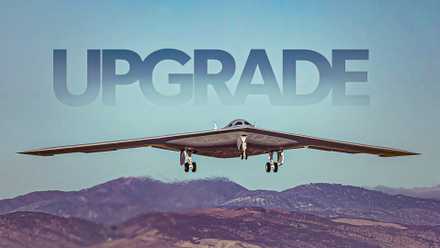
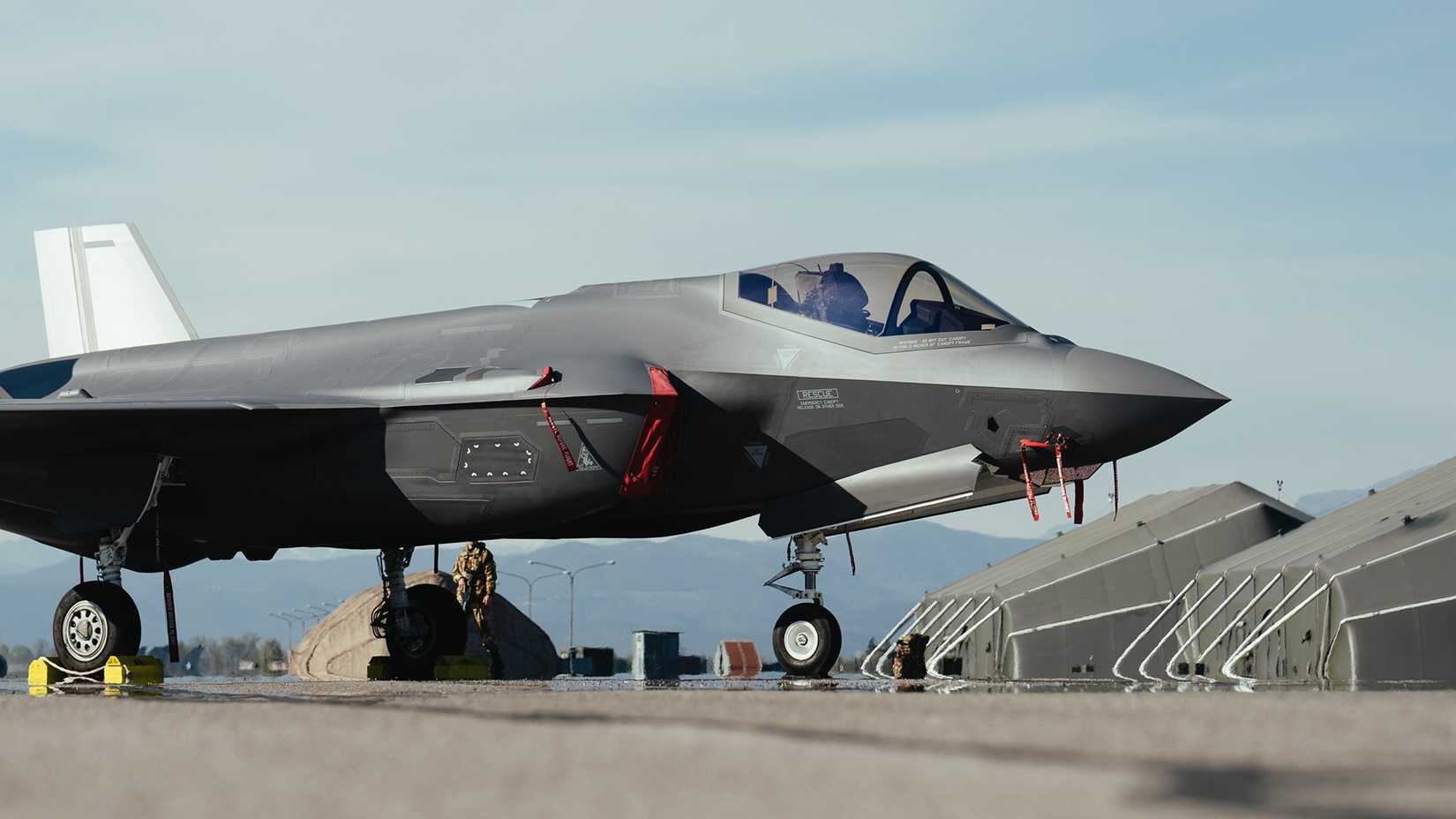
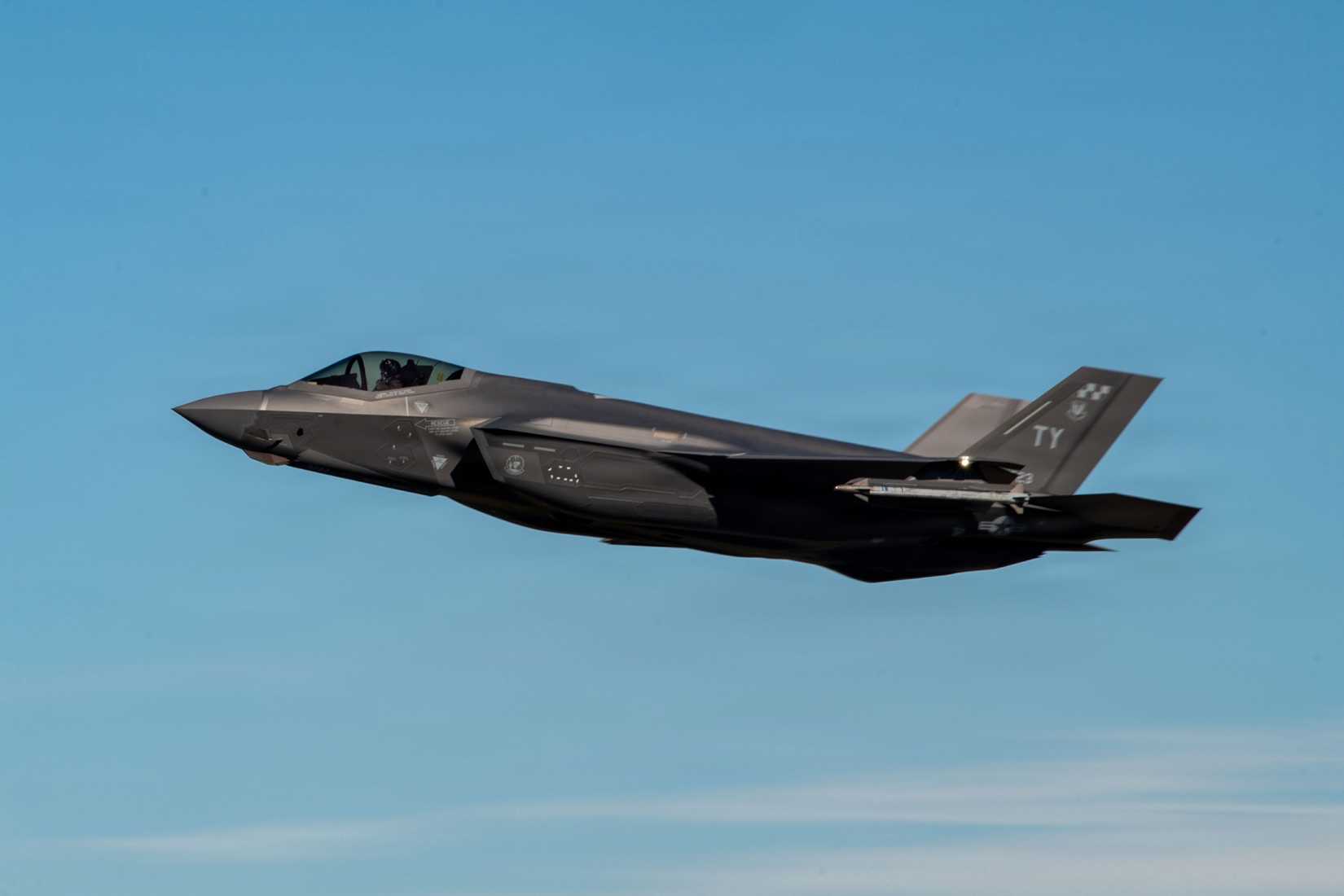
The U.S. Air Force is undertaking a wave of runway and airfield modernization projects across multiple bases, driven by the need to accommodate next-generation aircraft on infrastructure that in many cases dates to World War II or the early Cold War. Selfridge Air National Guard Base in Michigan, Ellsworth Air Force Base in South Dakota, and Tyndall Air Force Base in Florida illustrate three distinct but related drivers: fleet transition, strategic bomber modernization, and disaster-driven rebuilding. Selfridge is extending and relocating its single runway ahead of the 2028 arrival of F-15EX Strike Eagles and KC-46 Pegasus tankers, aircraft with different weight and geometry requirements than the A-10s and KC-135Rs currently based there. Ellsworth completed a compressed, ten-month reconstruction of its 13,497-foot runway to prepare for the B-21 Raider's first operational deployment in 2027, while Tyndall's post-Hurricane Michael "Installation of the Future" rebuild has folded runway refurbishment into a broader $5 billion resiliency campaign now supporting F-35 squadron growth.
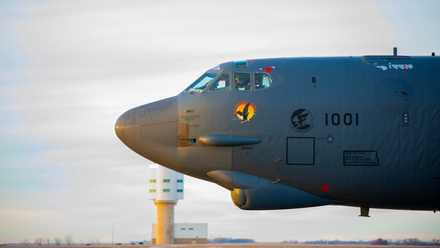
For working pilots, particularly those flying into or training near these installations, these projects carry practical near-term relevance. Runway closures, taxiway reconfigurations, and temporary aircraft displacement—such as the relocation of 17 B-1B Lancers and roughly 800 personnel from Ellsworth to Grand Forks during construction—create ripple effects across military airspace usage, NOTAMs, and joint-use civil-military airports in the vicinity. Business and general aviation operators who use shared-use fields or fly near restricted military corridors should expect temporary airspace and procedure changes during these multi-year construction windows. The Selfridge project's shift of primary flight paths away from residential areas is also a reminder that runway realignments can alter established traffic patterns and noise abatement procedures that civilian pilots operating nearby have grown accustomed to.
More broadly, this infrastructure push reflects a recurring theme across both military and civil aviation: airframes evolve faster than the ground infrastructure built to support them, and eventually the gap becomes unsustainable. The F-35, F-15EX, KC-46, and B-21 all impose different pavement loading, dimensional, and lighting requirements than legacy aircraft, much as new-generation commercial jets and business aircraft periodically force airport authorities to reassess runway length, weight-bearing capacity, and taxiway clearances. The Ellsworth project's compressed timeline—driven by the operational urgency of the B-21 program—also underscores how procurement schedules can force construction risk-taking that civil airport authorities rarely face, since military readiness timelines leave little room for the multi-year phasing common in commercial airport capital projects.
Finally, these projects highlight the financial and political complexity increasingly attached to military airfield work. Selfridge's funding fight, involving state appropriations, federal grants, land acquisition disputes, and wetlands impacts, mirrors the kind of stakeholder friction that commercial airport expansion projects have long faced, particularly around environmental review and community relations. For corporate and charter operators who interact with military-adjacent airspace, or for pilots tracking base realignments that affect training areas, restricted zones, and diversion airport availability, this wave of Cold War-era runway replacement signals years of transitional NOTAMs, altered flows, and infrastructure investment that will ultimately modernize a significant portion of the national defense airfield network to match the aircraft it now supports.





 Read original article