American Airlines Rejigs Management Lineup To Improve Performance Against Competitors
American Airlines' senior leadership shakeup, announced August 13, 2026, signals CEO Robert Isom's acknowledgment that the carrier's revenue performance has not translated into competitive profitability against Delta and United. The reorganization adds four executives to the senior leadership team while three depart or step back, with the headline hire being John Bendoraitis, formerly COO at Spirit Airlines, who now takes over American's technical operations. Bringing in an outside operator with cross-carrier experience—particularly from a low-cost carrier that has struggled financially—suggests American wants fresh eyes on maintenance, fleet reliability, and dispatch execution rather than incremental internal promotion. Expanded mandates for Chief Commercial Officer Nat Pieper and Chief Customer Officer Heather Garboden indicate the airline is consolidating commercial and customer-experience decision-making under fewer, more empowered leaders, a structural bet that alignment and accountability, not new strategy, are what's been missing.
For working pilots, this reorganization matters because technical operations leadership directly affects aircraft availability, maintenance turnaround, and the operational reliability metrics that shape daily line flying—delays, swaps, and misconnections that ripple through crew scheduling and duty times. American's DFW rebanking initiative, which cut misconnections by nearly 25% year-over-year, is the kind of hub-execution project a restructured technical operations org will be expected to replicate at Charlotte, Phoenix, and Chicago. Pilots at American, and those watching from competing carriers, should read this as evidence that leadership sees operational execution—not schedule design or route strategy—as the binding constraint on margins. A COO-caliber hire dedicated to technical operations often precedes tighter maintenance scrutiny, revised MEL/dispatch reliability targets, and renewed pressure on turn times, all of which affect how crews experience the daily operation.
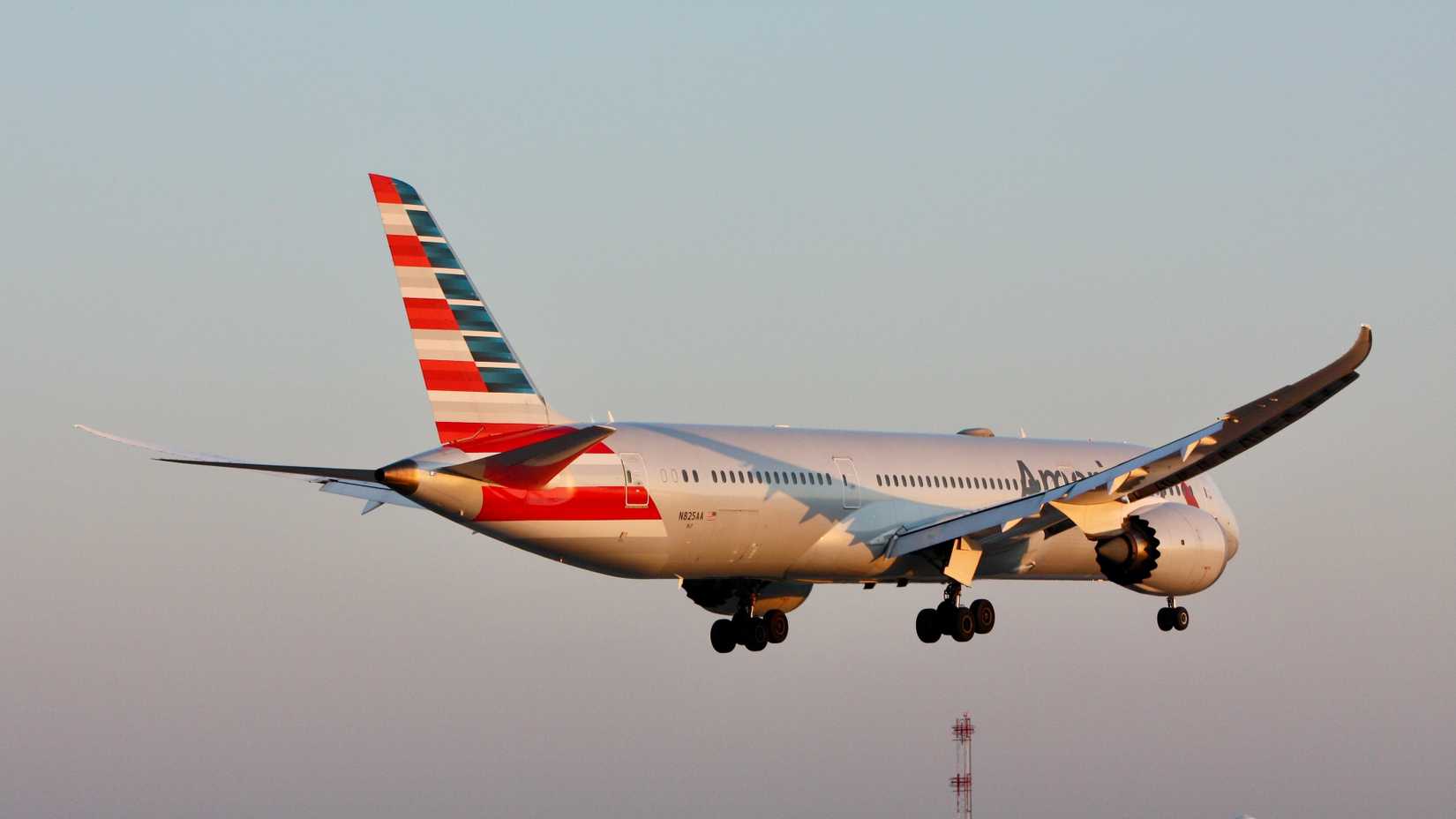
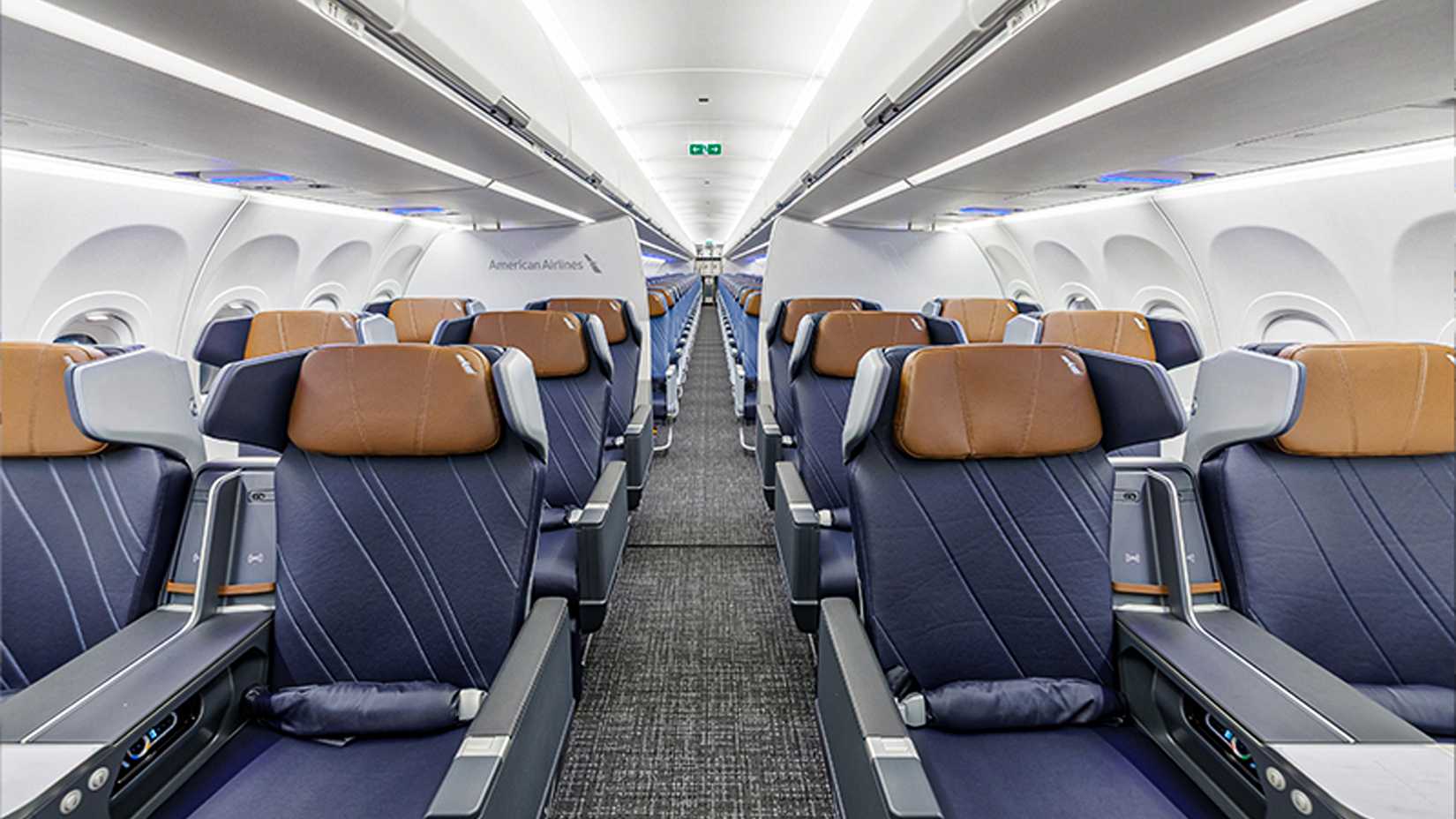
The financial backdrop reinforces why this matters beyond internal politics. American posted record second-quarter revenue of $16.7 billion, up 16.3% year-over-year, yet adjusted net income was a thin $99 million, with fuel costs rising more than $2.2 billion year-over-year. This is the now-familiar post-pandemic airline story: demand and top-line growth are not the problem, but converting that demand into durable margins is. American's aggressive premium push—expanded 787-9 and A321XLR deliveries, retrofits across the 777, A319, and A320 fleets, and a claim to more premium seats than any other US carrier—reflects an industry-wide pivot toward high-yield, corporate, and loyalty-driven revenue. Managed corporate revenue grew 26% year-over-year for a fifth straight quarter of double-digit gains, mirroring similar premium strategies at Delta, United, and even historically leisure-focused carriers now chasing business travelers.
For flight departments, business aviation operators, and corporate travel managers, American's moves are a data point in the broader bifurcation of commercial aviation: carriers investing heavily in premium cabins, reliability, and loyalty to capture corporate spend that might otherwise migrate to charter, fractional, or private options. As mainline carriers sharpen premium products and operational consistency, the competitive pressure on business aviation providers to justify cost premiums with schedule flexibility and service reliability intensifies. More broadly, the leadership reset at American illustrates that even in a strong demand environment, airline management teams are under sustained board and investor pressure to demonstrate execution discipline—a trend likely to continue driving organizational changes across the industry as fuel volatility and margin compression persist into 2026 and beyond.






 Read original article