How One Of The World's Largest Widebodies Is Actually The Cheapest To Fly In America
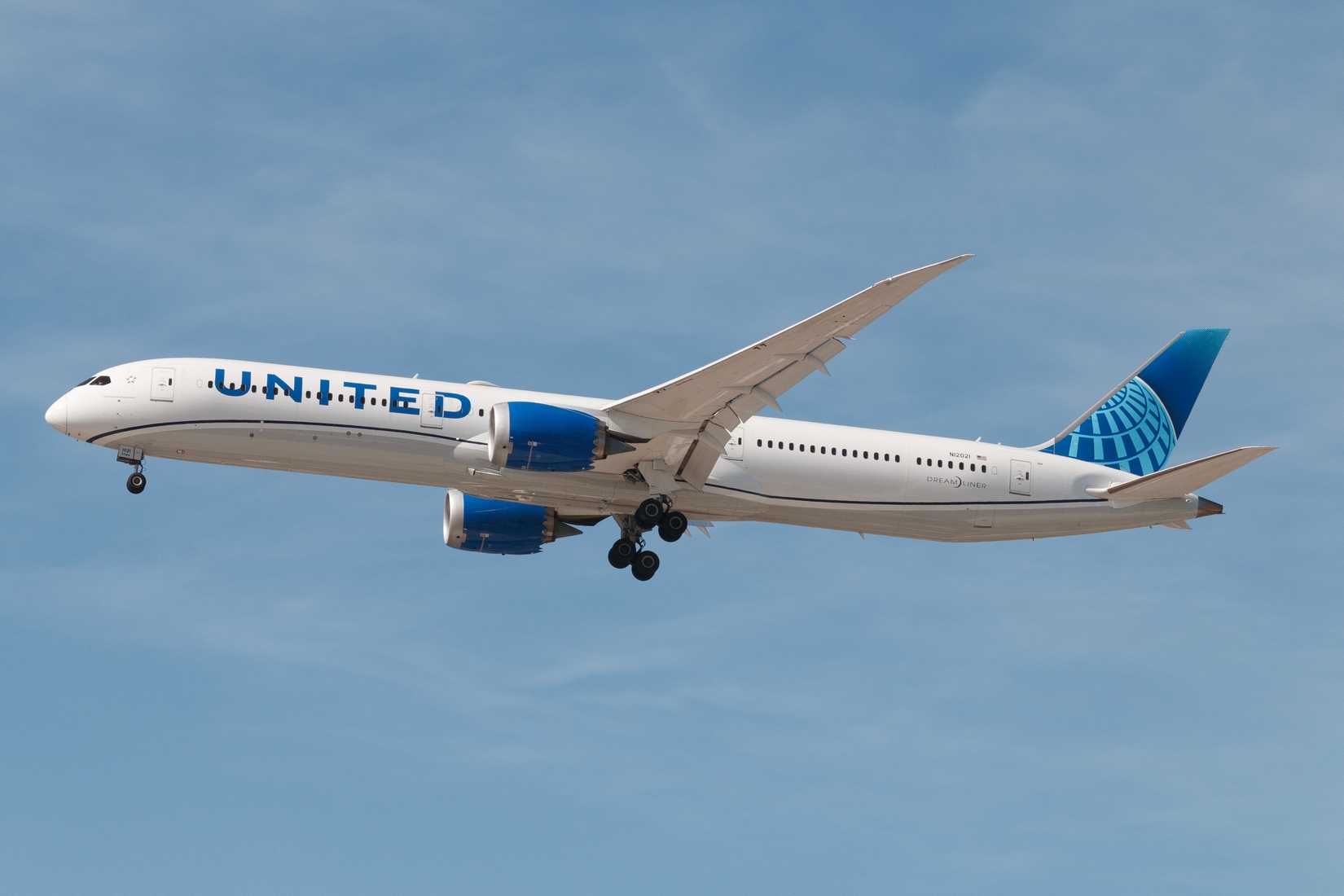
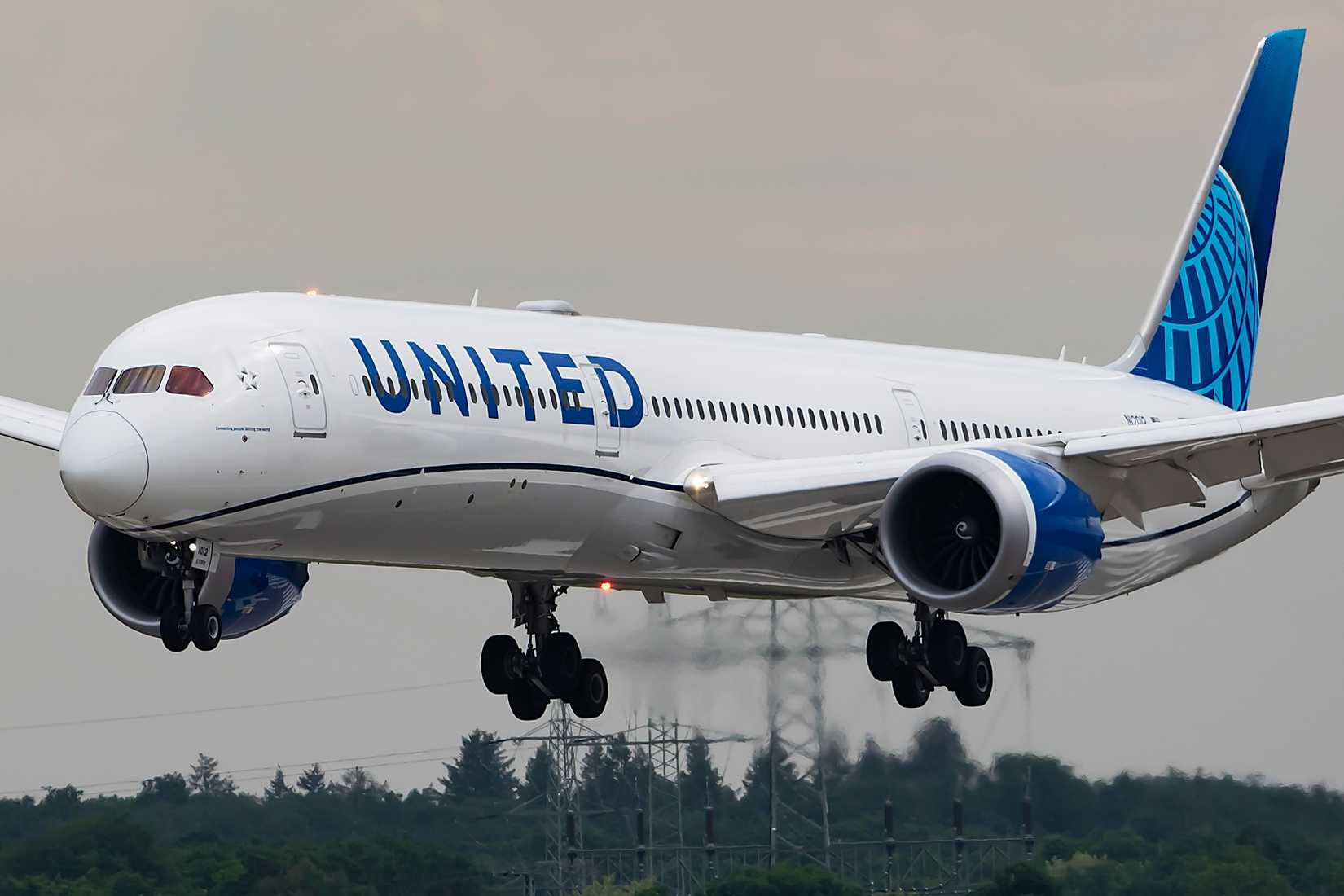
Boeing's 787-10 Dreamliner has emerged as the most cost-efficient twin-engine widebody currently flying in US domestic and transatlantic service, according to Form 41 filings analyzed by AirInsight. The aircraft's direct operating cost of $19.54 per seat-hour undercuts the Airbus A330-300 by 9.7% and the Boeing 767-400ER by 17.2%, a result that runs counter to the intuitive assumption that the largest variant in a widebody family should carry the highest operating burden. The finding underscores a durable truth in fleet economics: total trip cost matters less than cost per available seat, and Boeing's decision to stretch the 787-9 fuselage by 18 feet while retaining 95% parts commonality and identical GEnx-1B or Trent 1000 engines allowed the -10 to add roughly 40 seats without a proportional increase in fuel burn, crew cost, or maintenance burden. Over a 300-departure annual utilization cycle, that seat-hour advantage compounds into more than $3.2 million in savings per airframe compared to a 767-400ER, a figure that speaks directly to network planning and fleet renewal decisions at the airline level.
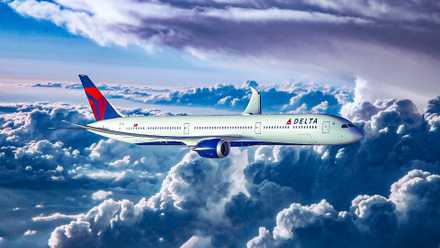
For working pilots, particularly those flying widebody equipment or aspiring to transition into long-haul operations, this data reinforces why carriers structure bidding, training, and fleet growth the way they do. United Airlines is currently the only US operator flying the 787-10, deploying it on dense transatlantic trunk routes such as Newark-Frankfurt and Chicago-Frankfurt, as well as heavy transcontinental sectors like New York-Los Angeles and San Francisco. Pilots bidding onto the 787 fleet should understand that the -10's shorter range envelope, capped at 6,430 nautical miles versus the 787-9's 7,565, is a deliberate trade rather than a limitation, since it concentrates the airplane's payload capability on routes where cargo and passenger density drive revenue rather than ultra-long-haul endurance. Delta's pending order for 30 787-10s signals that this aircraft type will become more common in domestic long-haul and transatlantic pairings industry-wide, meaning more pilots across the major carriers will likely see the -10 added to their fleet options and bid packages in coming years.
The broader significance for operators and industry observers lies in what this reveals about post-pandemic widebody strategy. Airlines are increasingly prioritizing derivative aircraft that maximize seating density and cargo capacity on proven airframes over clean-sheet designs or ultra-long-range variants that require heavier structures and higher ownership costs. This mirrors trends seen with the Airbus A321XLR and A350-1000, where manufacturers stretch existing platforms to capture payload economics rather than chase absolute range records. For network planners, the calculus increasingly favors "right-sizing" aircraft to route density, a strategy that also affects crew scheduling, maintenance planning, and long-term fleet commonality, since operators can train pilots and mechanics across a shared type rating spanning the 787-8, -9, and -10.
For business aviation and Part 91/135 operators, the story carries indirect but relevant lessons about operating cost transparency and fleet decision-making. While bizjet operators don't file Form 41 data, the underlying principle, that seat-hour or hourly direct operating cost analysis should drive aircraft selection rather than headline size or range specifications, applies equally to fractional and charter fleet planning. As airlines lean harder into data-driven fleet economics disclosed through regulatory filings, expect more granular cost benchmarking to filter into industry conversations about aircraft acquisition across all segments of commercial and business aviation, reinforcing that operational efficiency, not size, increasingly defines competitive advantage in a widebody market still recovering from pandemic-era capacity cuts and now facing renewed order competition between Boeing and Airbus.









 Read original article