The Air Forces Operating The World's Newest Stealth Fighters In 2026
The global fifth-generation fighter market has crystallized into two entirely separate ecosystems, with more than 20 air forces now operating stealth aircraft in front-line service—yet none straddle both camps. The Lockheed Martin F-35 program, having surpassed 1,300 airframes delivered to over 17 nations, dominates by sheer scale, forming an interoperable network stretching from Norwegian Arctic bases to South Korean quick-reaction alert postures. Meanwhile, China and Russia field separate, non-overlapping ecosystems built around their own designs, with Pakistan poised to become the newest entrant on the non-American side via the Shenyang J-35A. This bifurcation isn't driven primarily by technological limitations—it reflects a hardened political reality where stealth fighter acquisition has become synonymous with alliance alignment, and no nation under US sanction or adversarial posture will ever be offered an F-35 contract regardless of purchasing power.
For working pilots, particularly those in military, government, or defense-adjacent aviation roles, this consolidation matters because it defines the operational and training ecosystems they'll interact with for decades. The F-35's second wave of adopters—Poland, Finland, Germany, Switzerland, Canada, Romania, the Czech Republic, Greece, and Singapore—illustrates how NATO interoperability logic has become self-reinforcing: nations that once flew F-16s are now standardizing on a common software backbone, sustainment network, and US-controlled supply chain. This has direct implications for coalition operations, cross-training pipelines, and even civilian airspace deconfliction near military bases, as F-35 fleets expand their footprint across three continents. Pilots flying in or near NATO airspace, or those involved in joint exercises, will increasingly encounter a homogenized fifth-generation fleet whose maintenance, munitions, and mission systems are functionally identical across borders—a stark contrast to the fragmented, nationally-specific fighter fleets of the Cold War era.
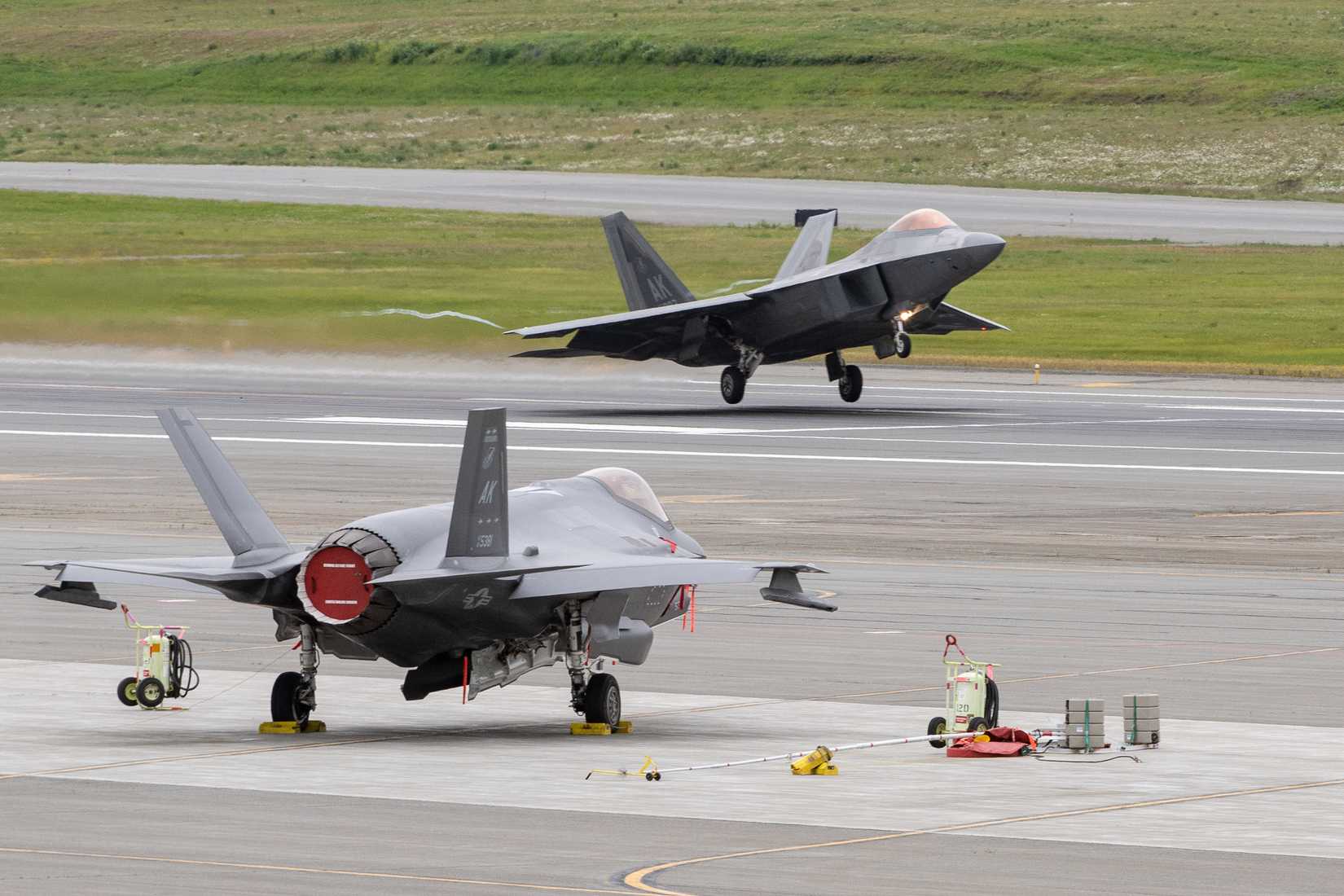
The article's discussion of the F-22 Raptor's permanent export ban offers a useful counterpoint, underscoring that even within the American stealth portfolio, technology-sharing decisions are deliberate and durable. Congress's 1998 export prohibition—enacted before the Raptor even entered service—kept roughly 180 airframes exclusively in USAF hands, reinforcing that stealth technology proliferation decisions are made with multi-decade timelines in mind. This matters for business aviation and civilian operators indirectly: airspace restrictions, NOTAMs around sensitive military corridors, and the broader defense-industrial ecosystem that shapes airport infrastructure and controlled airspace design are all downstream of these platform decisions. The F-22's total exclusivity also means that any allied nation's access to comparable air superiority capability depends entirely on F-35 procurement, further cementing the alliance-based bifurcation.
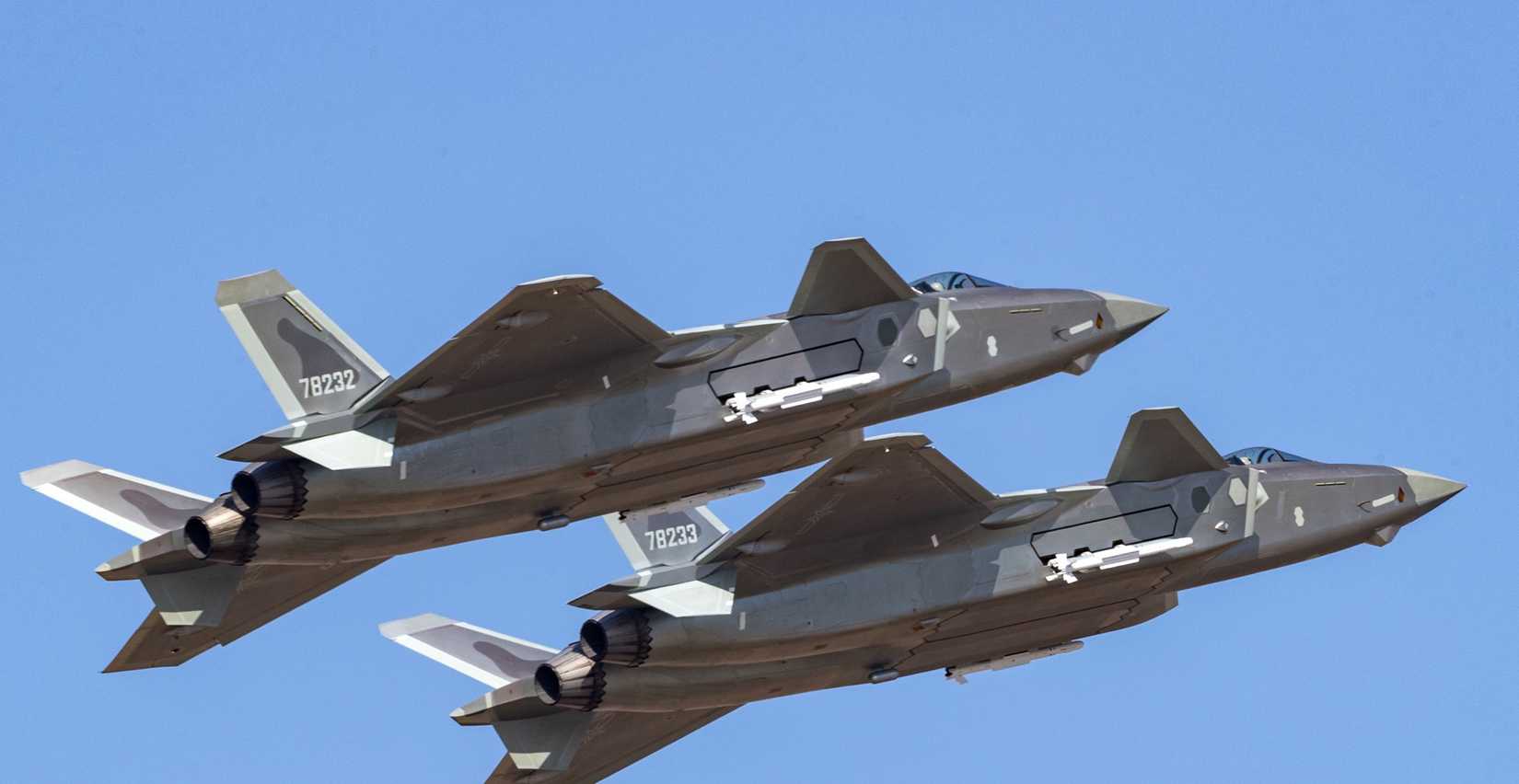
China's dual-track strategy—retaining the heavier, more sensitive Chengdu J-20 for exclusive PLAAF use while exporting the smaller Shenyang J-35A—mirrors the pattern of technology-tiering seen in other defense export markets, where front-line capability is never shared even with close partners. Pakistan's anticipated acquisition of up to 40 J-35A aircraft, bundled with KJ-500 AEW&C platforms and HQ-19 air defense systems, signals a broader regional realignment that will shape South Asian airspace dynamics and potentially accelerate India's indigenous stealth program timeline. For commercial and business aviation operators flying routes through or near South Asian airspace, this kind of capability shift often precedes changes in restricted zones, military exercise notices, and diplomatic tensions that can affect routing and fuel planning. More broadly, the emergence of a clearly delineated two-bloc stealth fighter world reinforces a trend already visible in broader aviation: technology standards, supply chains, and even airspace management philosophies are increasingly aligning along geopolitical rather than purely technical or economic lines, a dynamic that professional pilots operating internationally will need to track as carefully as weather or NOTAMs.





 Read original article