Archer Flies Piloted Midnight Between Salinas And Monterey
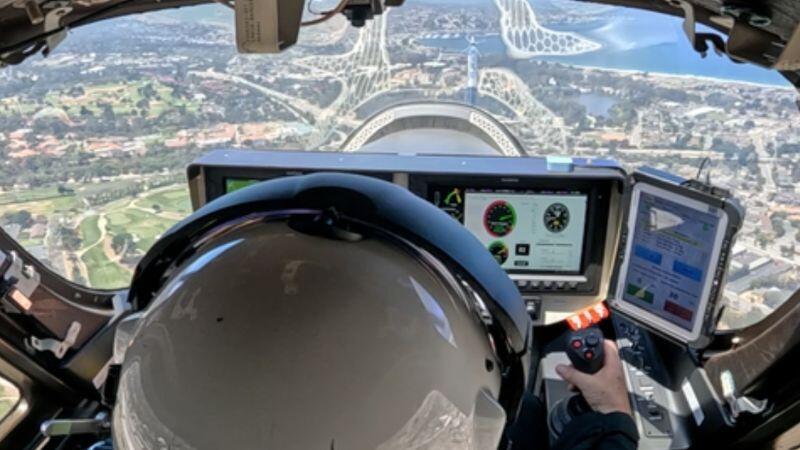
Archer Aviation's July 30 roundtrip flight between Salinas Municipal Airport and Monterey Regional Airport represents a meaningful, if incremental, milestone in the company's push toward commercial eVTOL operations. The piloted Midnight aircraft, registered N703AX, completed each leg of the airport-to-airport journey in roughly 9 minutes, compared with a ground commute Archer estimates at over 35 minutes—a compelling illustration of the time-savings proposition underpinning the advanced air mobility (AAM) business case. Notably, the flight used conventional runway takeoffs and landings rather than the vertical operations that define the eVTOL category, meaning Archer has still not completed a piloted transition flight demonstrating the shift from thrustborne hover to wingborne cruise. That distinction matters: competitors including Joby Aviation, Beta Technologies, and Vertical Aerospace have already cleared that technical hurdle with piloted aircraft, leaving Archer somewhat behind on this particular certification and demonstration milestone despite its otherwise aggressive commercial and manufacturing posture.
For working pilots and aviation operators, this flight is a data point in the slow-motion integration of eVTOL aircraft into the National Airspace System—an integration that will eventually touch controllers, FBOs, charter operators, and conventional GA traffic at airports where these aircraft begin operating. The flight was conducted in coordination with the FAA and is explicitly framed by Archer as a template for operations under the White House's eVTOL Integration Pilot Program (eIPP), a federal initiative designed to fast-track real-world testing of AAM aircraft across multiple U.S. regions. Archer CEO Adam Goldstein has indicated intent to replicate similar short-hop routes with partners in Texas, Florida, and New York later this year, alongside plans to fly Midnight during the Los Angeles Olympic Games. Corporate flight departments, business aviation operators, and regional airport managers should take note that these programs are laying groundwork for eVTOL aircraft sharing airspace, taxiways, and eventually vertiports with conventional traffic—raising practical questions around separation standards, radio procedures, and airport infrastructure that the industry has yet to fully resolve.
The broader significance extends beyond Archer's individual program timeline. The eIPP reflects a shift in federal strategy toward accelerated, real-world demonstration flights rather than purely lab- or simulator-based certification pathways, echoing similar urgency seen in other emerging aviation segments such as autonomous cargo drones and supersonic transport testing. For business aviation operators, particularly those operating out of regional or reliever airports like Salinas and Monterey, the entry of eVTOL air taxi service could eventually reshape short-haul feeder traffic, competing directly with charter operators and even rental car and rideshare services for last-mile connections to larger hub airports.
Archer's simultaneous unveiling of the Halo and Thunder hybrid-electric tiltrotor aircraft signals a strategic diversification beyond the crowded urban air taxi market, likely aimed at defense, cargo, and longer-range regional applications where hybrid propulsion offers range and payload advantages that pure battery-electric eVTOLs currently lack. This diversification mirrors a broader industry trend among AAM developers, who are increasingly hedging bets across multiple aircraft configurations and mission profiles as certification timelines for pure eVTOL passenger service continue to slip. For pilots eyeing career opportunities in this space, Archer's continued piloted testing program—even absent a completed transition flight—underscores that qualified test and eventual production pilots will remain in demand as the company works toward FAA type certification, though the timeline for revenue passenger service remains fluid and contingent on both technical milestones and regulatory pathways like the eIPP proving successful.









 Read original article