The World’s Largest Air Forces By Number Of F-35s
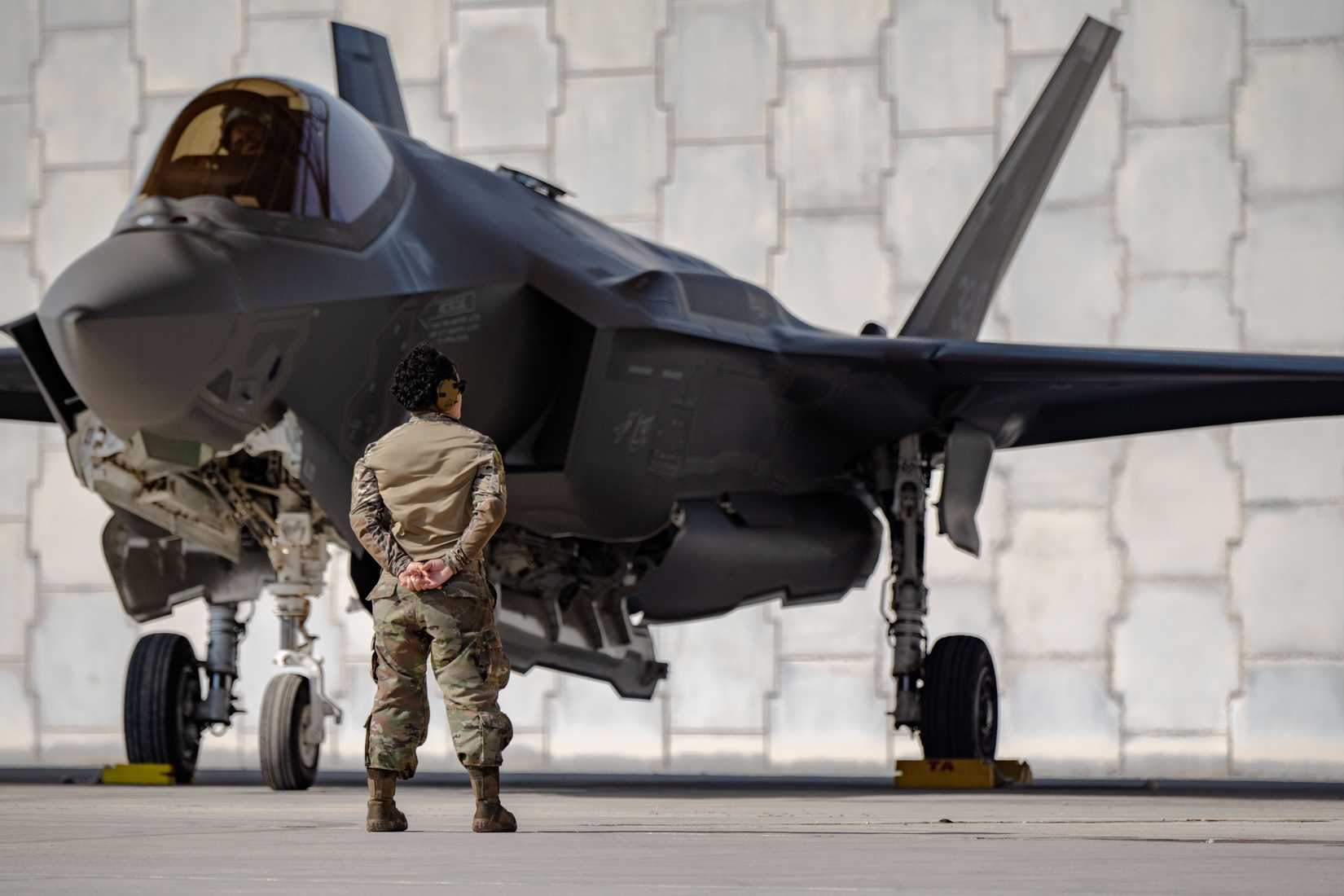
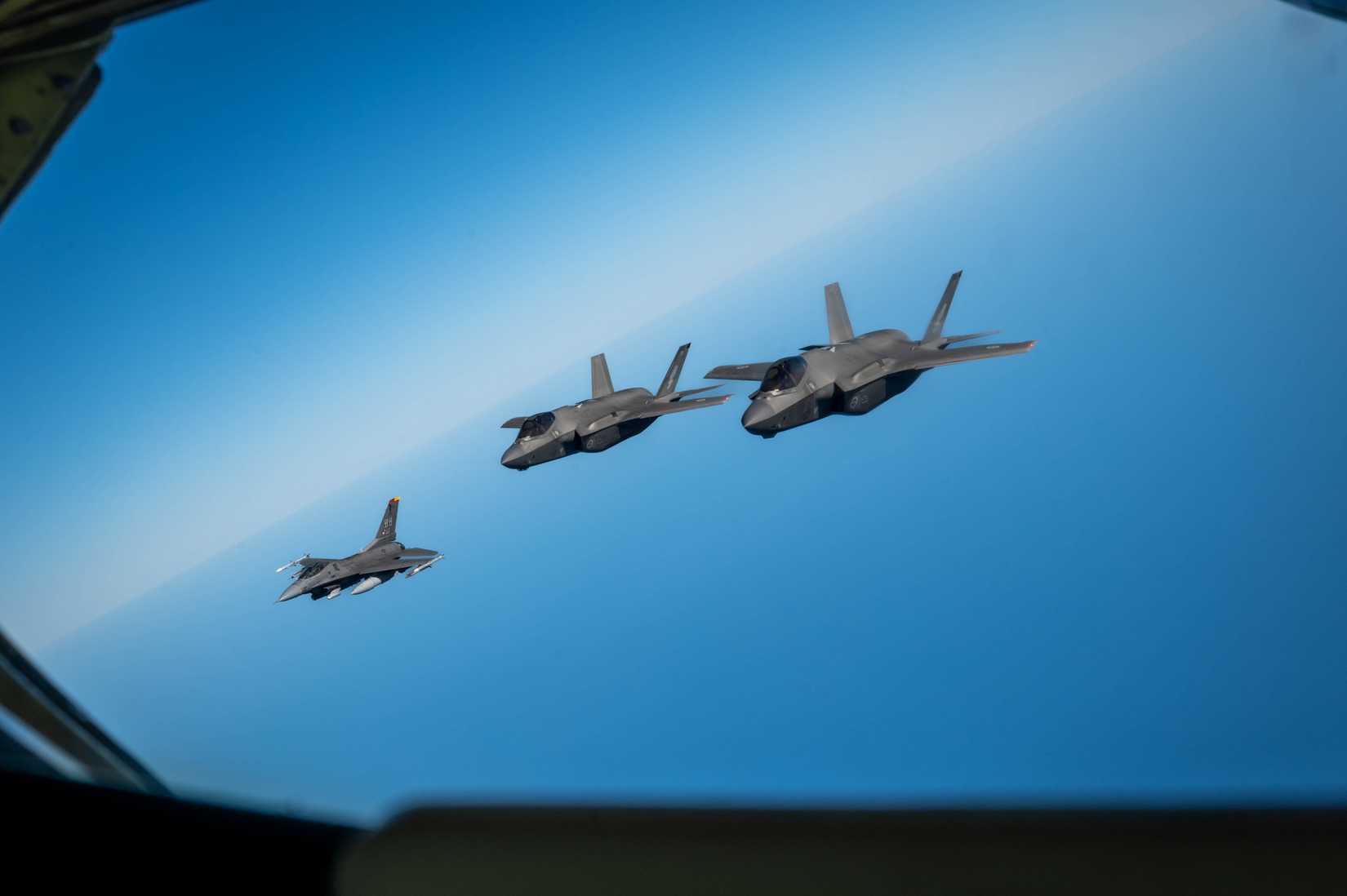
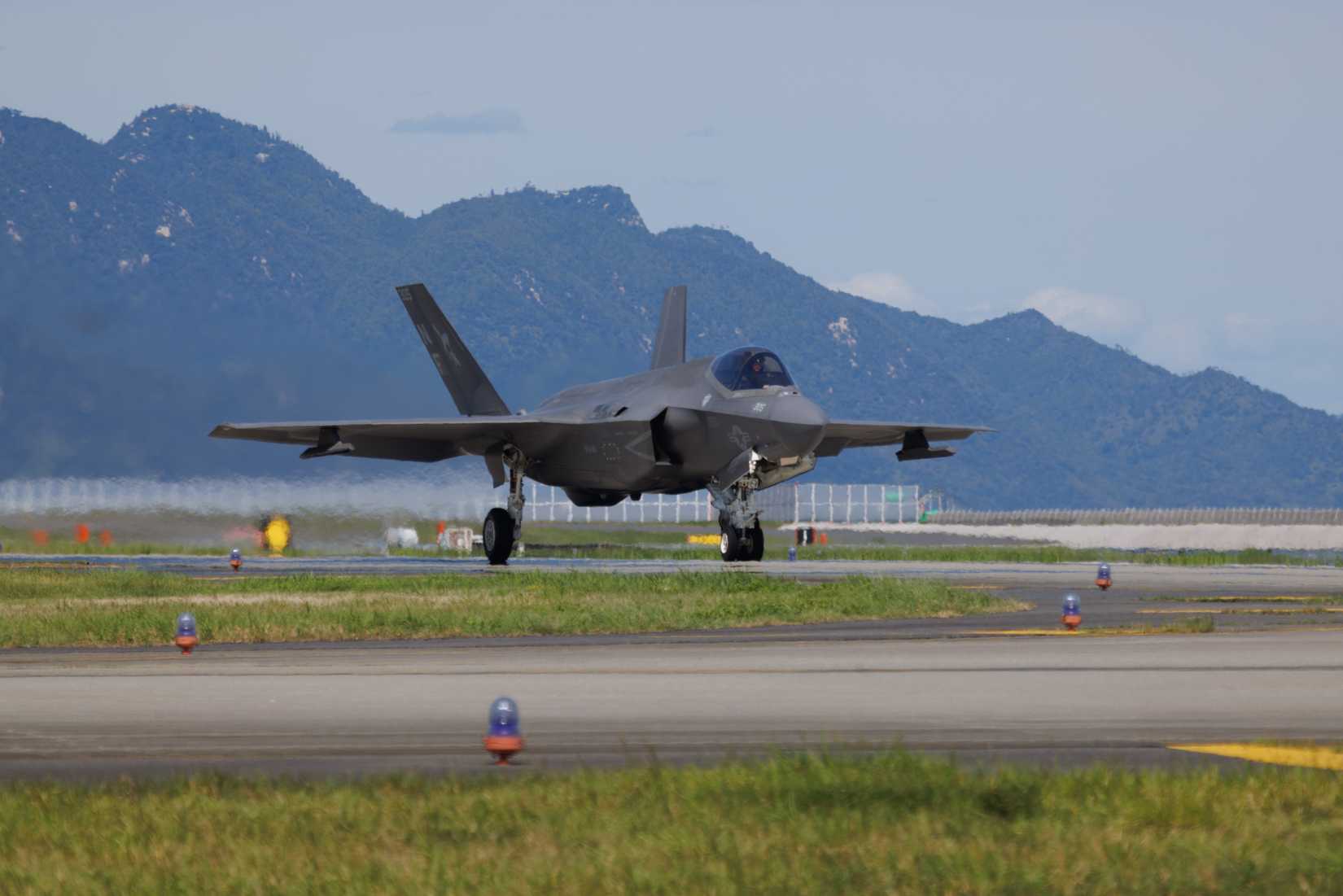
The F-35 Lightning II program has cemented its position as the backbone of Western airpower, with roughly 3,000 airframes planned across 25 nations and three variants—the conventional F-35A, the short-takeoff/vertical-landing F-35B, and the carrier-capable F-35C. The rankings by fleet size confirm the program's center of gravity: the United States dominates with a planned 2,456 aircraft split across all three variants, followed by Japan (147), the United Kingdom (138), Australia (100), and Italy (90). What's notable is how each partner nation's procurement reflects distinct strategic calculations—Italy's dual Air Force/Navy commitment ties directly to its role as one of only two international final assembly lines (alongside Nagoya, Japan), while Australia's all-A-model fleet reflects a continental power projecting ISR and strike capability across vast Indo-Pacific distances rather than needing STOVL flexibility.
For working pilots, particularly those in military aviation or adjacent defense-industry flying roles, this proliferation matters because it signals where interoperability, training pipelines, and sustainment infrastructure will concentrate for the next several decades. Italy's announcement of a pilot training school in Sicily—the first F-35 schoolhouse outside the United States—represents a meaningful shift in how NATO and allied air forces will generate F-35 pilots, potentially easing bottlenecks at Luke Air Force Base and creating new career pathways for European aviators. Similarly, the UK's Marham facility and Italy's Cameri line underscore that F-35 sustainment is no longer a US-only enterprise; multinational maintenance networks are now load-bearing parts of allied readiness, which has direct implications for squadron exchange programs, cross-training opportunities, and the kind of large-force exercises referenced in the article, such as Exercise Bushido Guardian 25.
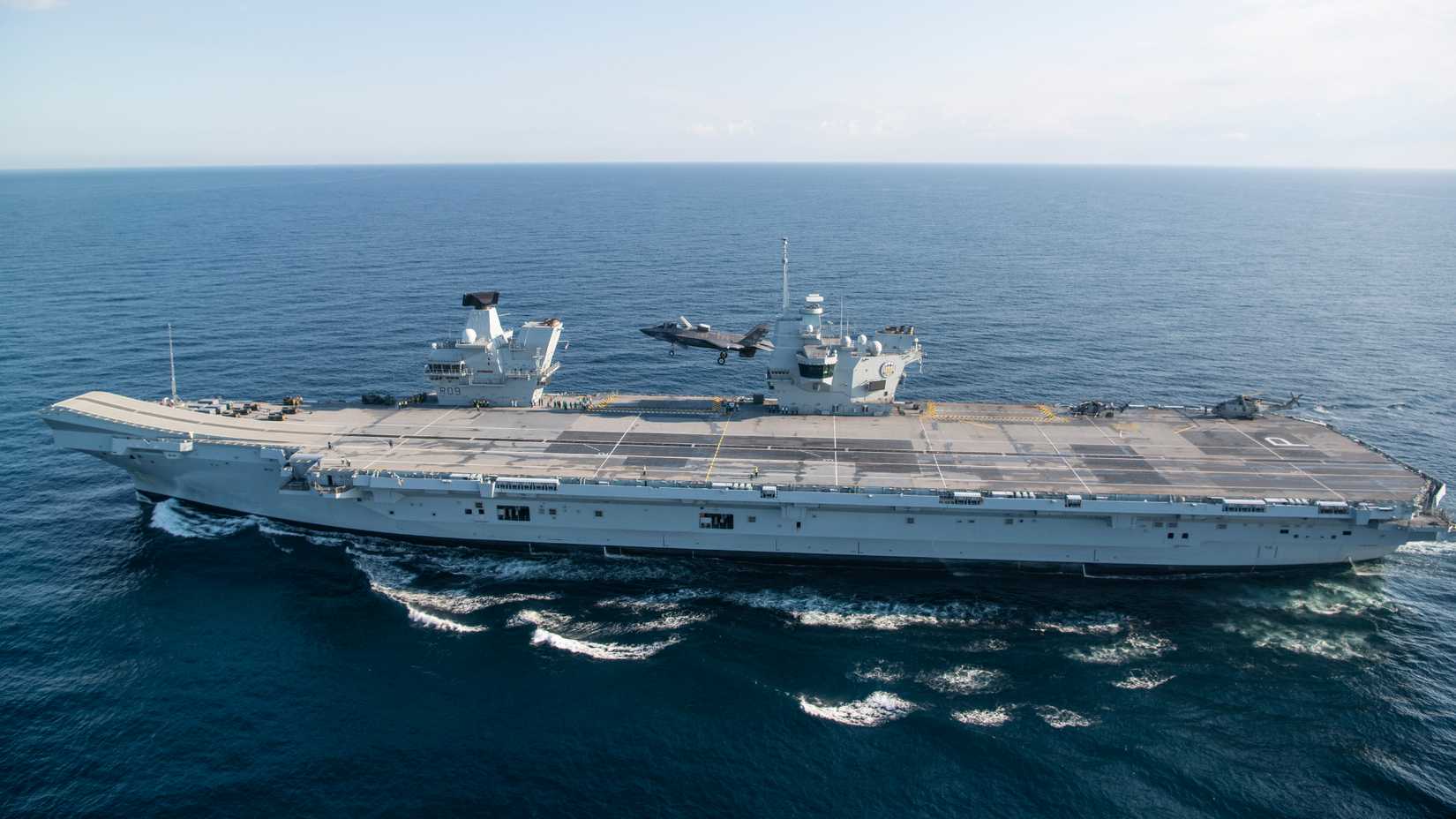
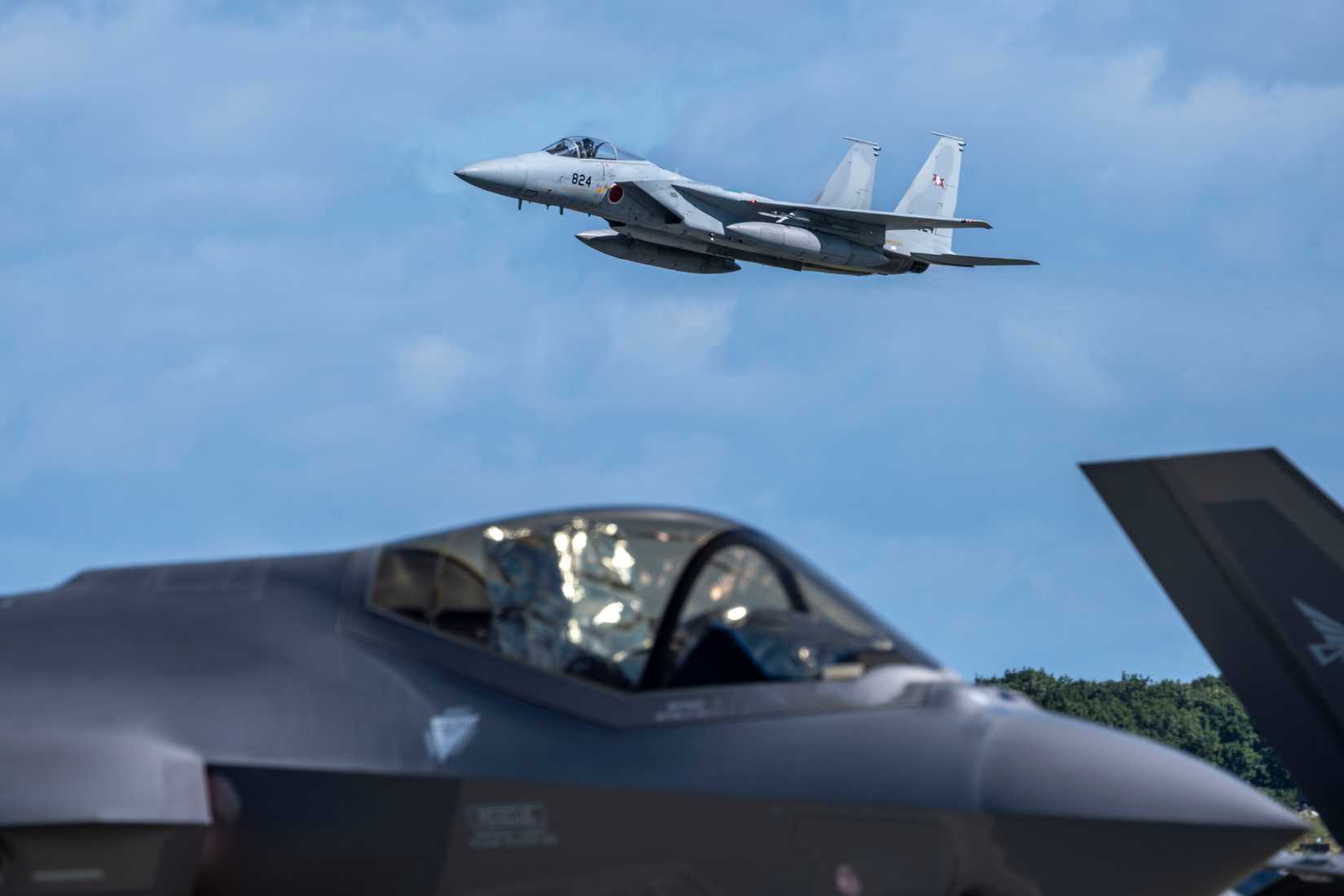
The operational incidents mentioned—an RAF F-35B diverted to India after a carrier-recovery failure and stuck for weeks with an APU fault, and a JASDF-adjacent emergency landing at a Japanese civilian airfield—are worth flagging for any pilot tracking the type's real-world reliability record. These aren't isolated embarrassments so much as data points in a broader conversation about the F-35's maturing but still imperfect logistics tail, particularly for expeditionary and carrier operations far from home basing. Diversions to civilian fields and extended AOG periods due to parts availability are recurring themes in F-35 fleet management, and they matter operationally for anyone flying in or near military airspace where these jets transit, as well as for planners at civil airports that may unexpectedly host a stealth fighter needing specialized ground support and security.
More broadly, the F-35's spread illustrates the dominant trend in fifth-generation fighter proliferation: rather than nations developing indigenous stealth fighters, most US allies are buying into a single American-led ecosystem, accepting interoperability and shared sustainment in exchange for ceding some industrial sovereignty. The exceptions—the UK's Tempest and other sixth-gen efforts—are explicitly framed as testing grounds enabled by F-35 integration experience rather than replacements for it. For business and commercial aviators, the relevance is more indirect but real: growing military F-35 traffic density around key training ranges, carrier operating areas, and international exercises like Bushido Guardian increasingly shapes special-use airspace activation, NOTAMs, and civil-military airspace deconfliction, particularly in the Indo-Pacific and North Atlantic corridors where these fleets now train and deploy at scale.









 Read original article