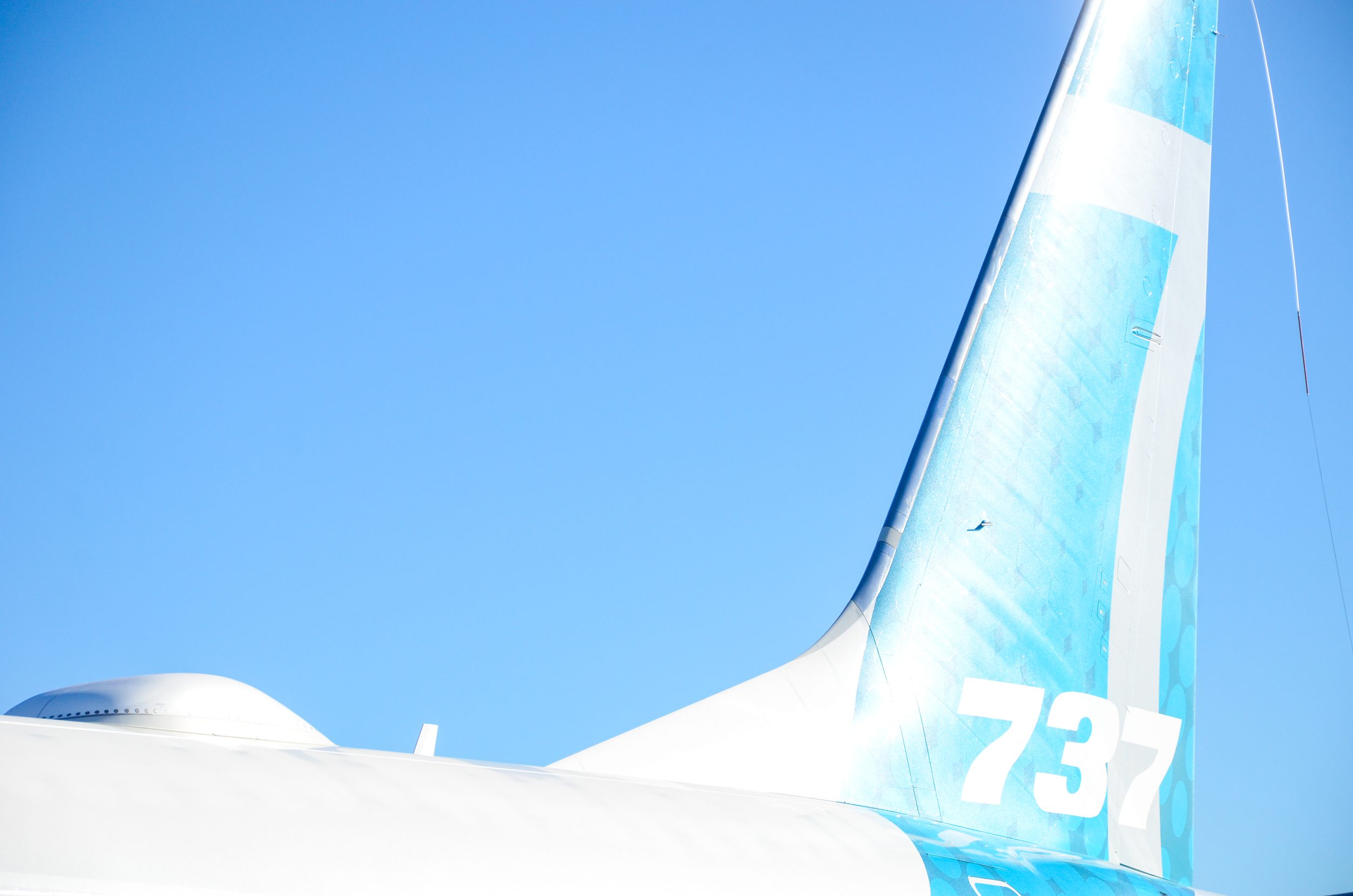
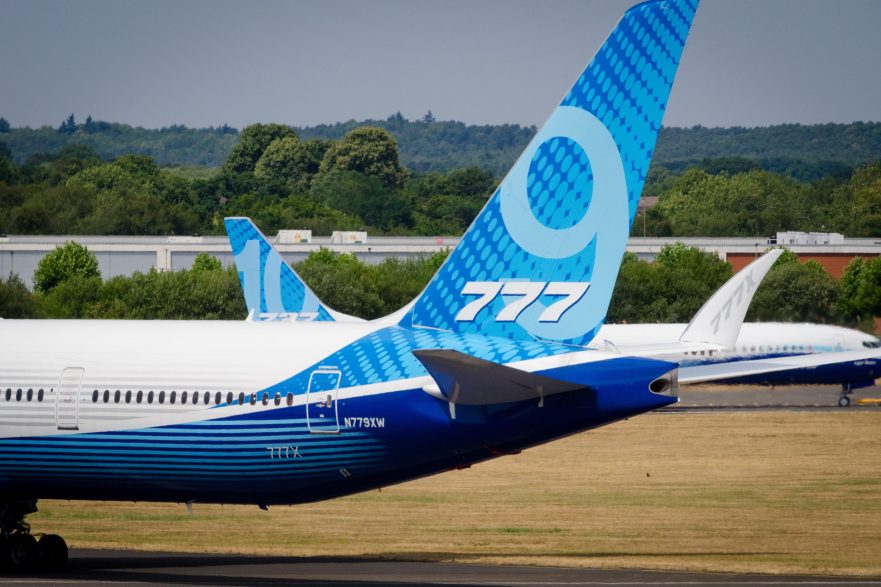
Boeing poised to finally unlock 737’s potential as FAA certifies Max 7
The FAA's certification of the 737 Max 7 marks Boeing's first amended type certificate for a major derivative aircraft in nearly a decade, ending a seven-year regulatory purgatory that began in the aftermath of the two fatal Max crashes in 2018 and 2019. The certification, announced at an internal Seattle ceremony on August 3, clears the smallest member of the Max family for commercial service after 15 years since its original unveiling. While the Max 7 represents less than 6% of Boeing's 4,846-jet Max backlog, its certification carries outsized strategic weight because it signals the FAA's restored confidence in Boeing's production quality systems and safety culture following years of intensified scrutiny, audits, and a fundamentally revised certification process imposed after the 2019 grounding.
For working pilots, particularly those at Southwest Airlines—the launch customer and dominant Max 7 buyer—this certification has immediate fleet-planning implications. Southwest has built its future capacity strategy heavily around the Max 7 to replace aging 737-700s while preserving the airline's single-fleet operating model and scope-clause advantages for shorter-field, lower-density routes. Pilots transitioning onto the type will find it shares the same type rating as other Max variants, minimizing training disruption, but the delivery ramp-up will affect scheduling, crew bidding, and route assignments as Southwest integrates the new variant into daily operations. More broadly, the certification removes a source of schedule uncertainty that has plagued fleet planners across multiple carriers who have had firm orders in place for years without a clear delivery timeline.
This milestone matters to the broader industry because it reopens a regulatory pathway that had effectively stalled Boeing's newest narrowbody variants, including the still-uncertified Max 10, the larger jet many airlines actually prefer for its capacity economics. The FAA's post-crash certification reforms—driven by congressional mandates and the Aircraft Certification, Safety, and Accountability Act—forced Boeing to demonstrate sustained manufacturing discipline rather than simply engineering fixes, a bar raised further after the January 2024 Alaska Airlines door-plug blowout on a Max 9. That incident triggered another round of FAA production-rate caps and heightened factory oversight at Boeing's Renton facility, making this certification a tangible sign that the company is climbing out of that hole. Pilots and operators should view the Max 7 clearance as a bellwether: if Boeing can sustain the quality metrics the FAA now demands, the Max 10's certification—and the cash-flow relief and delivery certainty the broader industry has been waiting for—may follow on a more predictable timeline.
Financially, the certification is central to Boeing's turnaround narrative, with the company signaling that Max 7 deliveries alongside the eventual Max 10 will be key drivers of cash flow improvement in the coming year. For airline operators managing capacity growth amid persistent aircraft shortages, engine supply constraints, and elevated aging-fleet maintenance costs, a reliable Boeing delivery stream reduces pressure on secondary-market leasing rates and extends relief to carriers who have been forced to keep older, less fuel-efficient jets flying longer than planned. The Max 7's path to service also serves as a proof point for regulators and airlines watching whether Boeing's safety and quality overhaul, including changes to factory floor inspection processes and increased direct FAA presence in Renton, produces durable results rather than a one-time fix ahead of increased production rates.