Why The Majority Of Go-Arounds Happen In The Final 500 Feet
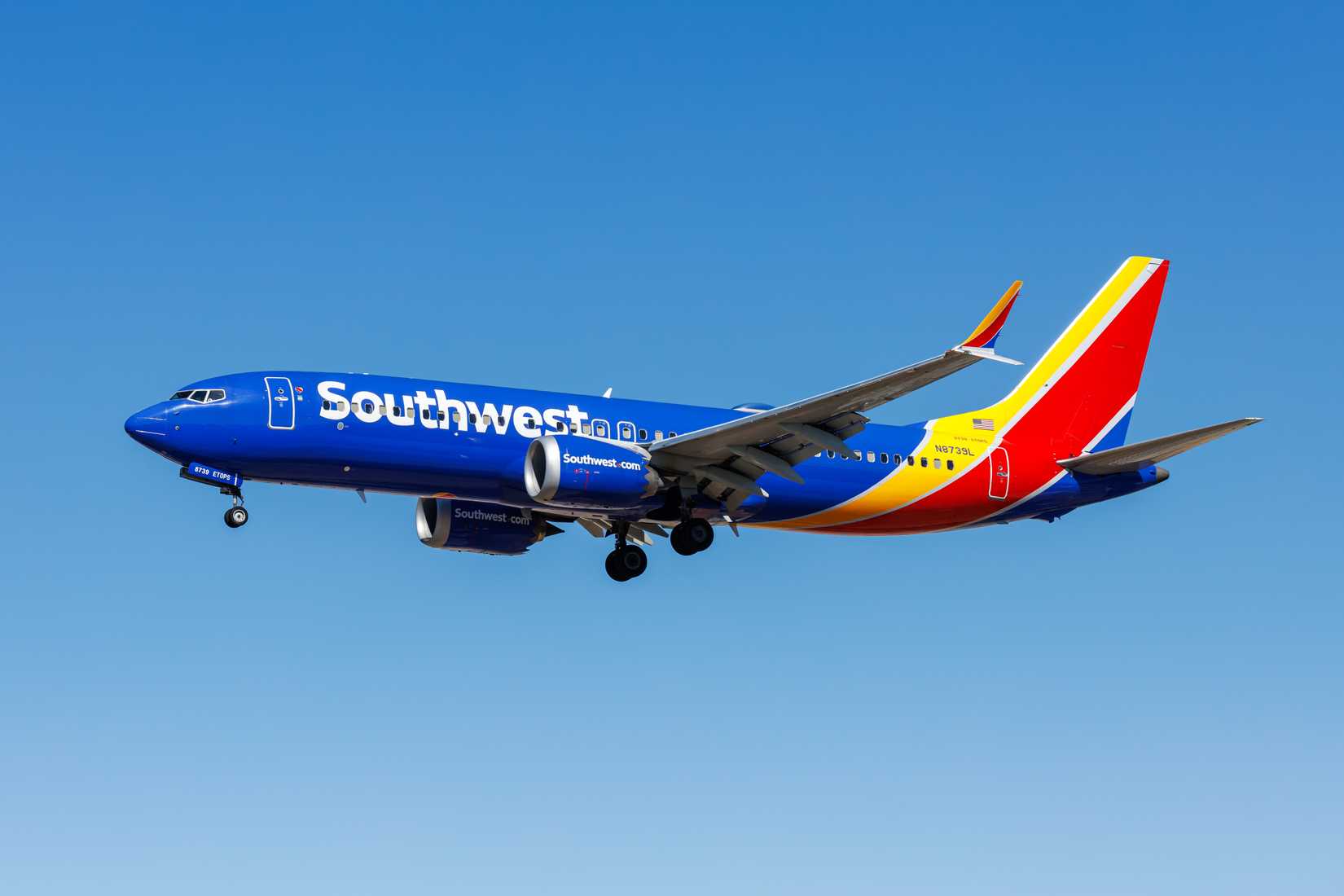
The concentration of go-around decisions in the final 500 feet above the runway reflects the fundamental architecture of the stabilized approach concept that underpins modern airline operations. As detailed in the Flight Safety Foundation's Go-Around Decision-Making and Execution Project, the industry-standard stabilization gates—1,000 feet in instrument conditions, 500 feet in visual conditions—exist precisely because they represent the last practical point at which a crew can verify configuration, speed, descent rate, and flight path before committing to landing. The survey data is telling: across nearly every destabilization scenario studied, from excess airspeed to improper configuration to crosswinds exceeding 30 knots, a plurality or majority of pilots identified 500 feet as the lowest altitude at which they believed a safe go-around remained executable. This clusters go-around decision-making into a narrow 200-foot band between the 500-foot gate and the 300-foot "without hesitation" threshold that has long been part of standard training doctrine, creating a compressed decision window where environmental factors like low-level wind shear and gusts have maximum leverage and minimum time for correction.
For working airline and business jet pilots, this data reinforces why stabilized approach criteria are treated as hard gates rather than suggestions in most SOPs. The tightness of the altitude band where go-around decisions cluster means there is little margin for delayed recognition or reluctance to execute the maneuver. Boeing's finding that roughly half of commercial jet accidents between 2012 and 2021 occurred during approach, landing, and go-around phases underscores that this segment of flight, despite its brevity, carries disproportionate risk exposure. Crews operating into airports with variable wind conditions, tailwind components, or challenging terrain-driven approaches should recognize that the 500-to-300-foot window is not simply a procedural checkpoint but the point where physiological and cognitive biases—sunk-cost thinking, plan continuation bias, and the natural reluctance to abandon a landing already in progress—are most likely to override sound judgment. Training programs that emphasize "go-around without hesitation" language at 300 feet exist specifically to counteract this bias, and the FSF data suggests that reinforcing this culture matters more than adding additional altitude buffers.
The broader trend this reflects is the aviation industry's decades-long shift toward standardized, criteria-based go/no-go decision-making rather than individual pilot judgment calls made in the moment. Stabilized approach concepts, energy management training, and evidence-based go-around policies have become central to airline safety management systems precisely because unstabilized approaches remain one of the most persistent contributors to landing excursions and runway incidents worldwide. IATA, ICAO, and FSF have all pushed initiatives in recent years to increase go-around compliance rates, since data consistently shows pilots continuing unstable approaches to landing far more often than policy dictates, precisely because the decision point arrives so close to the ground and so close to task completion. Flight data monitoring programs increasingly flag late go-arounds and unstabilized approach continuations as key risk indicators, feeding back into recurrent training curricula.
For business aviation and Part 135 operators, where crews may fly into less-equipped airfields with fewer stabilized approach aids and more variable terrain and wind conditions, this data carries added weight. Corporate and charter pilots often face greater exposure to marginal weather decisions at unfamiliar or minimally-serviced airports, without the benefit of the extensive ground infrastructure and standardized approach procedures common at major airline hubs. Naval aviation's parallel practice of applying full thrust after every carrier touchdown, in anticipation of a bolter, illustrates an institutional acknowledgment of the same principle driving airline stabilized-approach doctrine: the go-around must be treated as the expected default outcome of every approach, not an emergency deviation, precisely because the margin for recognizing and correcting problems shrinks dramatically in the final several hundred feet above the runway.





 Read original article