Gulfstream Deliveries, Revenue Rise In Q2
Gulfstream Aerospace posted solid growth in the second quarter of 2026, delivering 41 business jets—35 large-cabin and 6 mid-cabin aircraft—compared to 38 a year earlier, bringing first-half deliveries to 79 versus 74 in the same period of 2025. The results reflect broader strength in General Dynamics' aerospace division, which includes Gulfstream and Jet Aviation, with revenue climbing 15% year-over-year to $3.525 billion on higher deliveries and increased service revenue. Perhaps more telling than the delivery numbers is the order momentum: Gulfstream's book-to-bill ratio hit 1.5 to 1 for the quarter and 1.3 to 1 for the first half, meaning new orders are substantially outpacing deliveries and pushing the backlog to 80% above pre-pandemic levels.
The demand drivers cited by Melius Research analysts and General Dynamics leadership point to a confluence of favorable conditions for large-cabin business jet manufacturers. A "K-shaped economic recovery" concentrating wealth gains among high-net-worth individuals and corporations, combined with the reinstatement of 100% bonus depreciation under the One Big Beautiful Bill Act, has created renewed tax-driven urgency for business jet acquisitions. This mirrors the surge seen after the 2017 Tax Cuts and Jobs Act, when bonus depreciation provisions similarly accelerated purchase decisions among corporate flight departments and high-net-worth buyers. For operators and finance teams evaluating fleet expansion or aircraft replacement, the combination of favorable tax treatment and strong OEM order books signals that acquisition costs and delivery slots will likely remain competitive concerns well into the back half of the decade.
Geographically, CEO Phebe Novakovic's comments about "very active interest" in the U.S. and Asia, tempered by "cautious concern" in the Middle East, offer useful market intelligence for operators and brokers tracking regional demand shifts. This regional divergence is worth watching, as Middle East sovereign wealth and private buyers have historically been significant purchasers of large-cabin aircraft; any softening there could be offset by continued strength in Asian markets, where business aviation infrastructure and ownership have been expanding steadily.
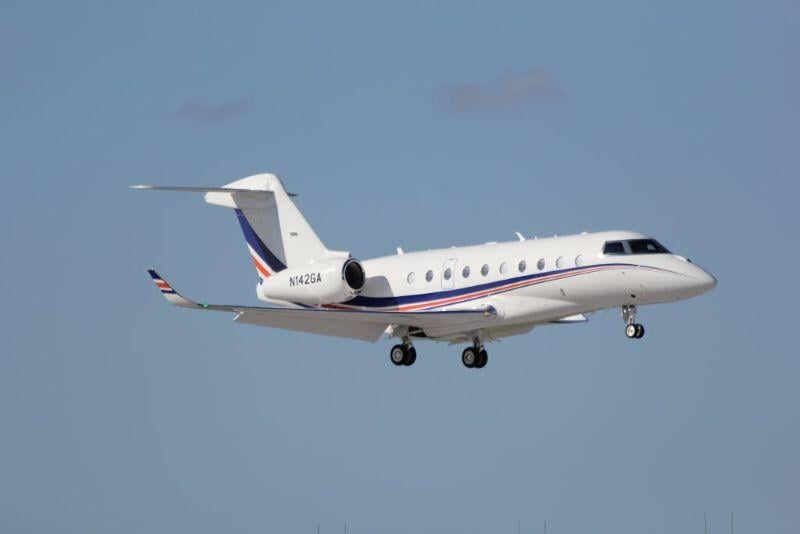
Of particular operational significance to current G280 operators and prospective buyers is the confirmed production transition to the G300 super mid-size jet. With final G280 deliveries expected in Q2 2027 and G300 deliveries not beginning until late 2027 or early 2028, Gulfstream has acknowledged a planned production gap—a detail that matters considerably for fractional operators, charter companies, and flight departments planning fleet transitions in that segment. This gap, tied to the G280's Israel-based production, also introduces geopolitical risk into Gulfstream's stated 2026 delivery guidance of 160 aircraft, which the company flagged as having "some risk" specifically tied to G280 output even as large-cabin models show upside potential.
Taken together, Gulfstream's results reinforce a broader trend across business aviation: manufacturers are benefiting from a favorable tax environment and resilient corporate and private demand even as supply chain, production transition, and regional geopolitical factors continue to introduce delivery uncertainty. For operators, brokers, and finance departments, the message is that backlogs remain elevated and pricing power favors OEMs, making early order placement and flexible delivery planning increasingly important considerations in fleet strategy through the remainder of the decade.









 Read original article