Delta Air Lines To Bring Back Pre-COVID Route From Raleigh–Durham, But Cuts 3 Routes From JFK
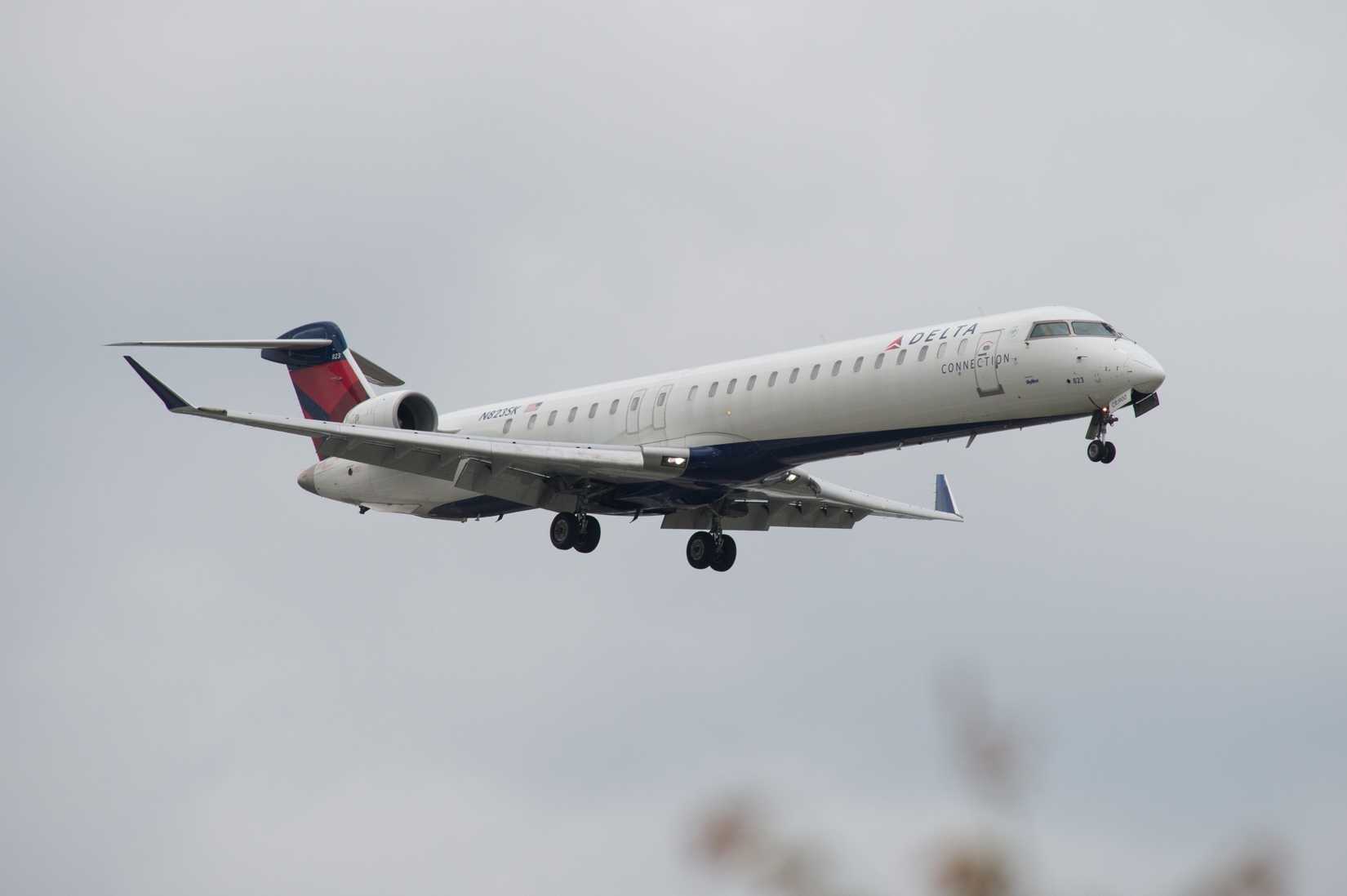
Delta Air Lines is making a series of network adjustments that illustrate the carrier's ongoing strategy of consolidating regional flying at LaGuardia while reserving JFK's constrained slot portfolio for higher-value domestic and international service. Effective November 21, Delta will relaunch Raleigh-Durham (RDU) to Fort Myers (RSW), a route it last flew more than six years ago, pre-pandemic. The once-daily service will be operated with a CRJ900, putting Delta in direct competition with Breeze Airways, currently the only nonstop operator on the route. Simultaneously, and likely not coincidentally, Delta will drop three JFK routes—Houston Bush Intercontinental (IAH), Memphis (MEM), and St. Louis (STL)—shifting that regional flying to LaGuardia, where Delta already operates service to all three cities.
For working pilots, particularly those flying regional jets under Delta Connection or mainline narrowbody equipment, this reshuffling underscores a broader and persistent pattern at legacy carriers: JFK slots are simply too valuable to spend on thin, short-to-medium-haul domestic routes when LaGuardia can absorb that demand and JFK capacity can instead support long-haul international or higher-yield transcon flying. This is consistent with Delta's post-pandemic JFK strategy, which has increasingly leaned into premium international connectivity (SkyTeam partners, Europe, Latin America) and left secondary domestic markets to LGA. Crews based in New York or bidding JFK domestic turns should expect continued volatility in these thinner markets, as St. Louis service has already been "on-again, off-again" in recent memory—a sign that Delta is testing yield thresholds rather than committing to a stable long-term JFK domestic network.
The Fort Myers add reflects a different but equally important trend: aggressive off-peak/leisure market growth in Florida gateways, particularly Southwest Florida International, which is seeing a wave of new entrants this fall and winter. Avelo, Breeze, Southwest, and Delta are all adding capacity to RSW in the same window, alongside Delta's new Austin–Fort Myers route launching the same day. This concentration of new service signals continued confidence in leisure demand resilience into the 2026-2027 winter season, even as network planners simultaneously trim underperforming or duplicative domestic city-pairs elsewhere. For regional and mainline crews, it reinforces that seasonal Florida flying remains a growth engine for scheduling and bid packages, while legacy hub-to-hub domestic routes from secondary airports face continued scrutiny.
More broadly, this episode is a case study in how major carriers optimize constrained-slot airports like JFK, La Guardia, and Reagan National by treating them as fungible network assets rather than fixed route commitments. Airlines increasingly reallocate capacity toward routes with stronger connecting traffic, cargo, or premium cabin economics, even when that means discontinuing long-standing city-pairs. For flight planners, schedulers, and pilots monitoring bid packages, these moves are a reminder that network stability at slot-controlled airports is never guaranteed, and route histories—even pre-COVID legacies like RDU–RSW—can be revived or eliminated based on shifting competitive and yield dynamics rather than historical precedent alone.





 Read original article