Why Alaska Airlines Paid $2.6 Billion For Virgin America Then Retired Its Brand Within 2 Years Of Closing The Deal
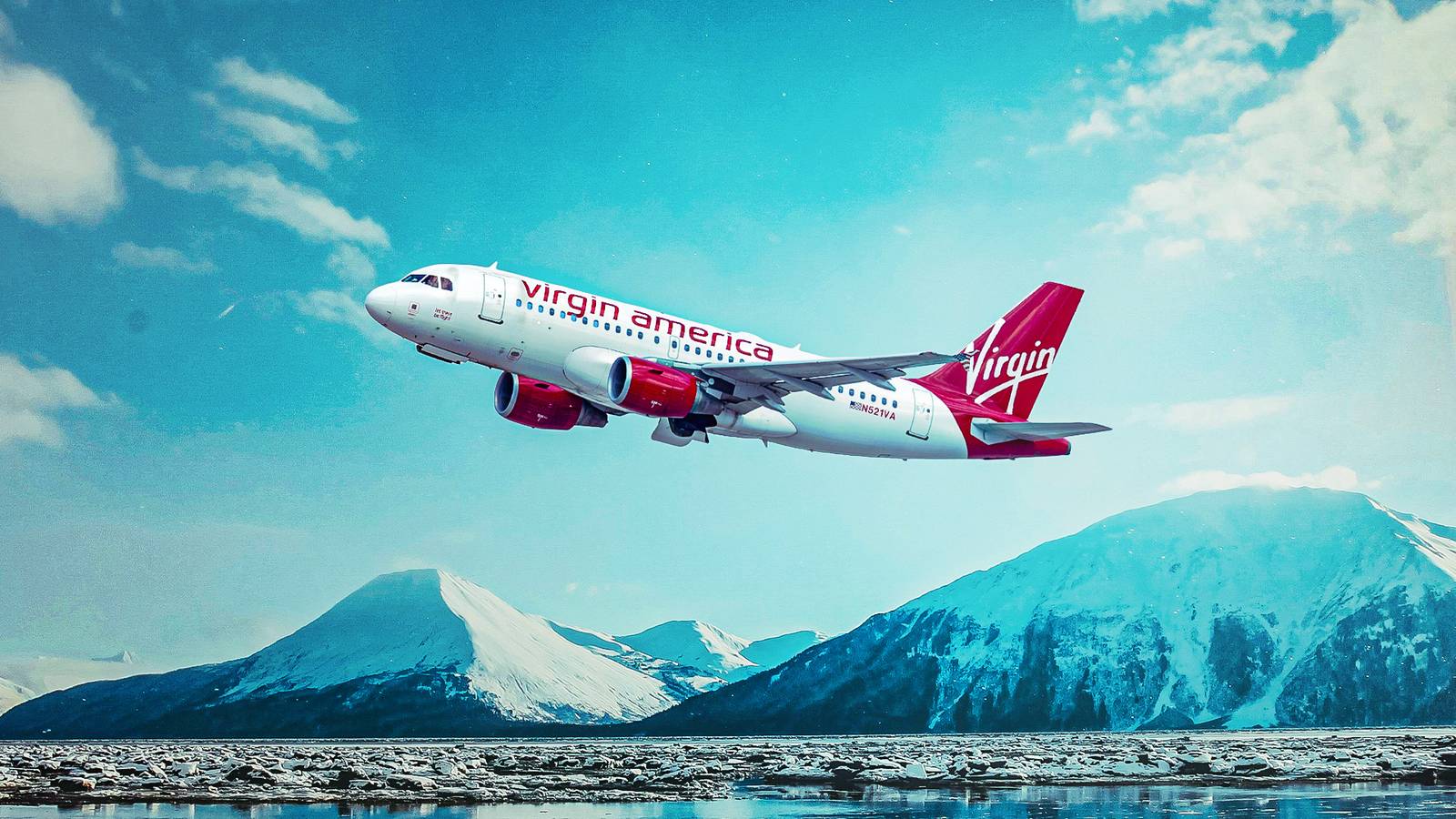
Alaska Airlines' handling of the Virgin America acquisition offers a instructive case study in brand strategy that stands in sharp contrast to how the carrier is approaching its more recent Hawaiian Airlines purchase. In 2016, Alaska paid $2.6 billion in equity ($4 billion including debt and leases) to win Virgin America away from JetBlue, which had been the front-runner in the bidding process. The deal was less about the value of Virgin America's beloved brand—known for premium in-flight Wi-Fi, mood lighting, and seatback entertainment—and more about defensive positioning. A JetBlue acquisition of Virgin America would have created a formidable new national competitor with a strong West Coast foothold, directly threatening Alaska's home turf. By winning the bid instead, Alaska neutralized that threat, even though the resulting combination did little to expand its competitive reach against the "big three" network carriers in fortress hubs like San Francisco and Los Angeles.
For working pilots and operators, the Virgin America integration illustrates the operational and financial complexity that comes with fleet harmonization after an M&A transaction. Alaska inherited 67 Airbus A320-family aircraft—A319s, A320s, and A321neos—despite operating an all-Boeing 737 fleet at the time. Rather than maintain a dual-fleet operation indefinitely, which carries significant costs in pilot training, maintenance infrastructure, spare parts inventory, and crew scheduling complexity, Alaska methodically retired the Airbus fleet, phasing out A319s during the COVID downturn and eliminating the remaining Airbuses by 2023 in favor of standardizing on the 737 MAX. This kind of single-fleet-type consolidation is a recurring theme in airline consolidation, since maintaining commonality reduces training burdens and simplifies crew qualification, scheduling, and maintenance logistics—an outcome pilots at merged carriers have experienced repeatedly, from US Airways-America West to American-US Airways.
The brand retirement decision also carries a lingering financial footnote relevant to corporate aviation strategists: despite discontinuing the Virgin America name entirely, Alaska remains contractually obligated to pay royalties to the Virgin Group through 2039 under a London High Court ruling issued in 2023, regardless of whether it uses the brand. This underscores how licensing and trademark agreements embedded in airline branding deals can outlive the operational life of an acquired carrier's identity, creating long-tail liabilities that factor into merger economics long after integration is complete. It's a cautionary detail for any airline executive evaluating brand equity versus contractual overhead when structuring an acquisition.
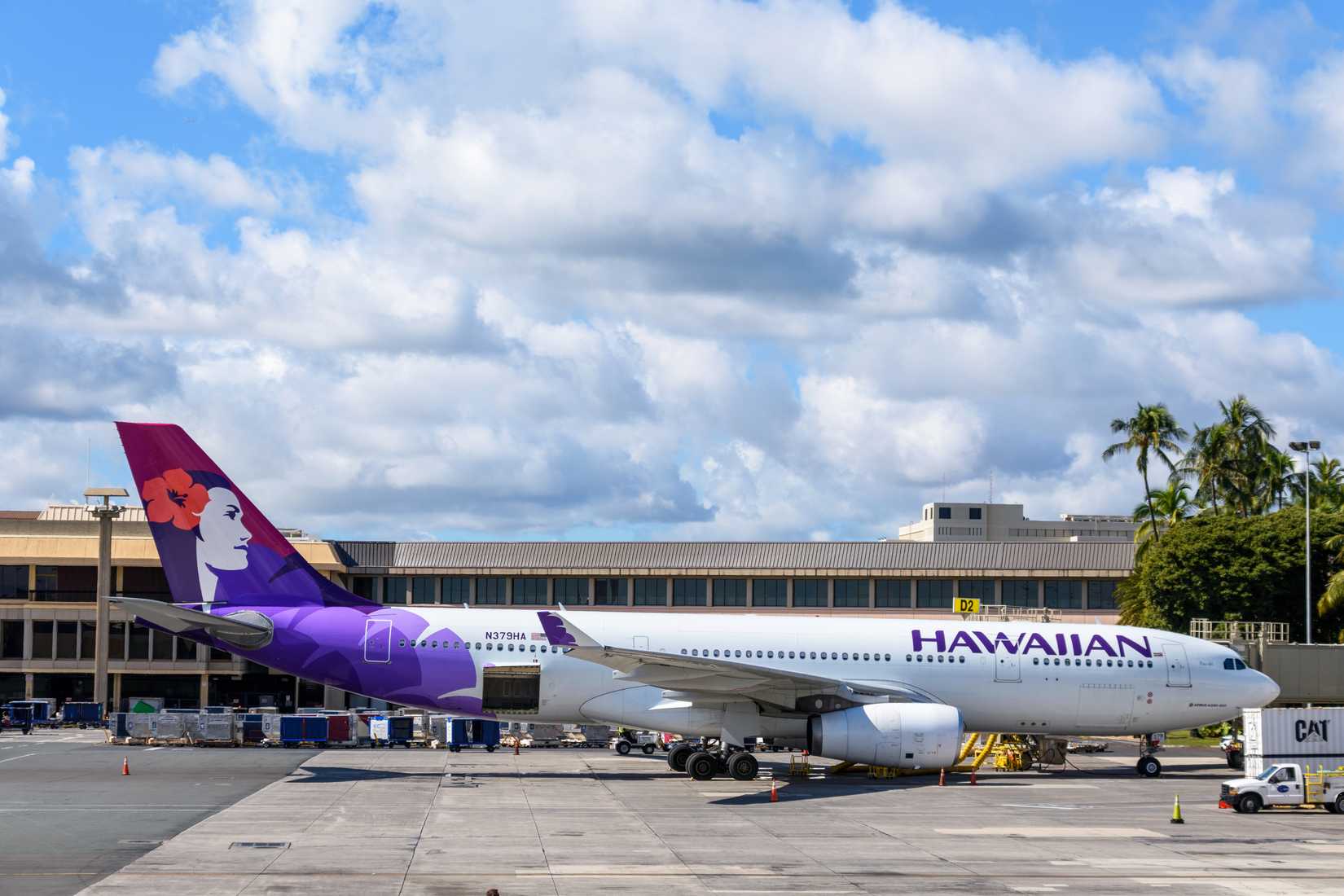
Most significantly, the Virgin America case illuminates why Alaska is taking a fundamentally different approach with Hawaiian Airlines, which it acquired in 2024 and has kept as a distinct brand operating on a single operating certificate. Unlike Virgin America, whose customer base and route network overlapped heavily with Alaska's own West Coast identity, Hawaiian carries a geographically distinct and fiercely loyal brand tied to inter-island and long-haul Pacific routes that Alaska's mainline network doesn't naturally replicate. This suggests airline consolidation strategy is increasingly nuanced—no longer a one-size-fits-all playbook of "absorb and rebrand," but a case-by-case calculation of whether a legacy brand adds unique network value or merely duplicates the acquirer's existing identity. For pilots at both mainline and regional carriers, this has direct implications for seniority integration, crew basing, and whether their carrier's identity—and by extension, their operating specifications, contracts, and career trajectories—survives future consolidation waves in an industry where further M&A activity remains a persistent possibility.






 Read original article