How Cabin Crew Rest & Sleep On The Airbus A321XLR
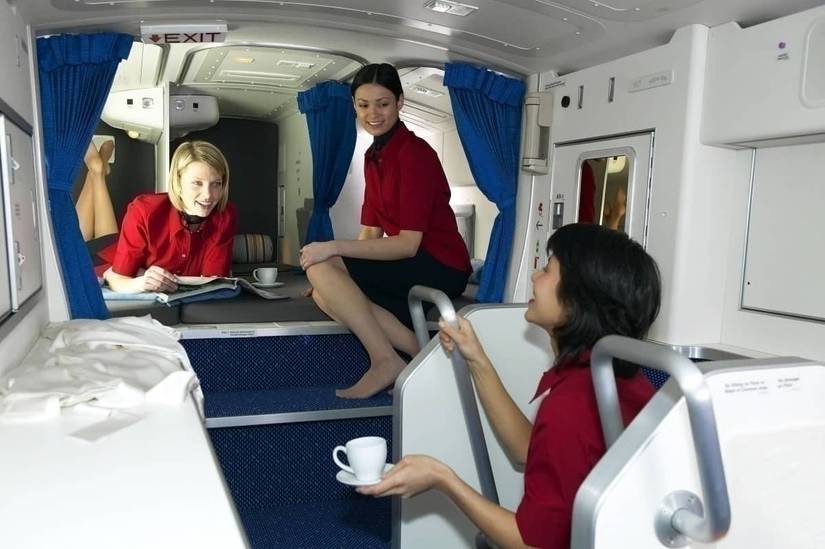
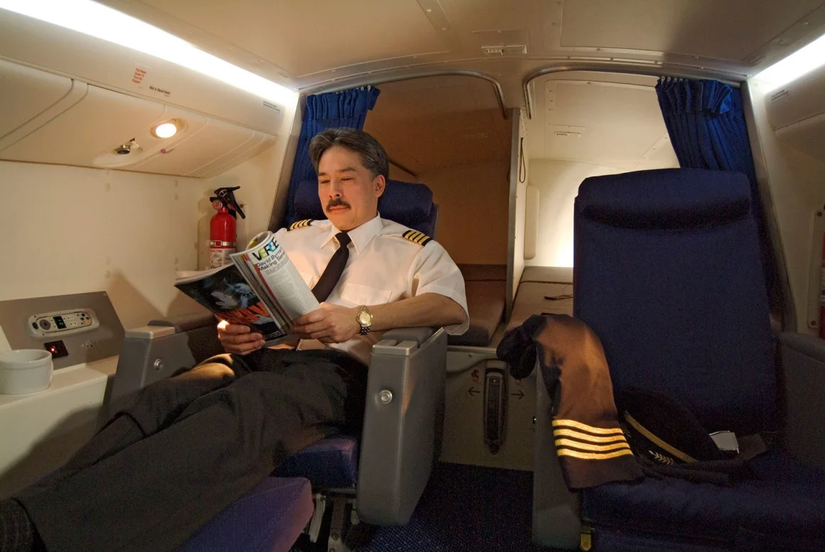
The Airbus A321XLR's entry into ultra-long-haul single-aisle operations is forcing airlines, regulators, and aircraft manufacturers to confront a structural gap in crew rest infrastructure that widebody operations have long since solved. With the type capable of flights reaching eleven hours — well beyond what traditional narrowbody scheduling assumed — and no integrated crew rest compartment in the baseline airframe, the aircraft challenges the existing frameworks under which Flight Time Limitations and FAA crew rest classifications were written. The FAA's three-tier classification system ties rest facility requirements directly to the length of the flight duty period, meaning that operators flying the A321XLR on its longest-range routes must carefully map their duty periods against which class of rest facility is legally required — and currently, no standard fitment on the type satisfies a Class 1 requirement.
The operational consequence for airline and charter operators is significant. Without augmented crew, which widebody long-haul operations routinely carry to enable in-flight crew relief, A321XLR flights must either be structured so that flight duty periods remain within limits achievable without Class 1 rest, or operators must accept crew layovers at the destination and forgo the point-to-point efficiency the aircraft was designed to deliver. Curtaining off seats in the cabin — a Class 2 or Class 3 solution depending on recline angle and leg support — may satisfy regulations on shorter routings, but this approach consumes revenue seating and introduces passenger-facing awkwardness that airlines operating premium narrowbody products will want to avoid. The regulatory environment across jurisdictions adds further complexity; EASA FTL rules governing European operators differ from FAA frameworks, and airlines launching transatlantic or long-haul Asia-Pacific routes with the type must navigate whichever authority governs their operation.
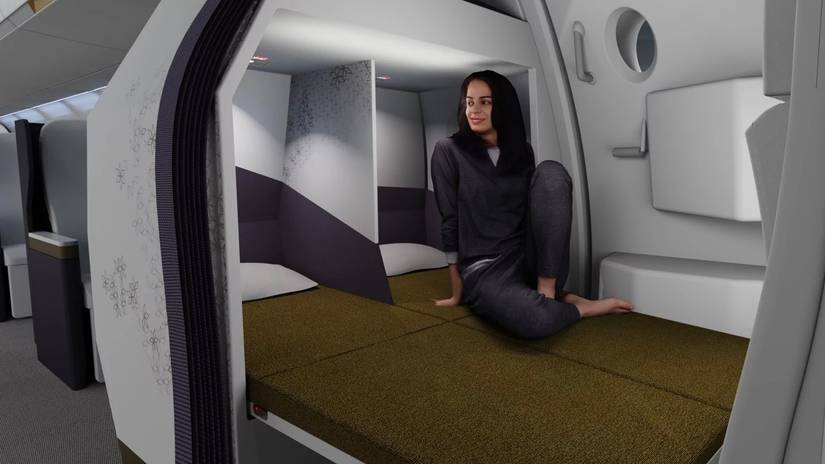
Diehl Aviation's modular crew rest compartment, shortlisted for the Crystal Cabin Award and presented as a full-scale model at AIX 2025, represents the most concrete engineering response to date. By locating fold-out bunks in the volumetric dead space between the forward entrance door and the first passenger row — an area that contributes minimally to revenue generation — the design avoids the floor space penalty that curtained seats impose while keeping the beds emergency-compliant through rapid stowage capability. The reported second variant, stacking two berths vertically, further improves the space equation and begins to approximate the structural logic of crown rest compartments on widebodies like the Boeing 787 or 777, albeit in a far more constrained envelope. The company's parallel consideration of the module for passenger use and medical applications signals that the business case for the fitment may not rest on crew rest alone, which could accelerate airline adoption by spreading the certification and installation cost across multiple revenue and safety use cases.
The broader trend this development reflects is the gradual erosion of the traditional boundary between narrowbody and widebody operational profiles. Aircraft like the A321XLR, and before it extended-range variants of the A321neo family on trans-Atlantic thin routes, are compressing what was once a clear regulatory and operational divide. For professional pilots — particularly those flying for carriers building long-haul narrowbody networks or for Part 135 operators considering the type for ultra-long business aviation missions — the practical implication is that crew rest planning, FTL compliance, and the contractual language around duty periods will need to be revisited with the same rigor previously reserved for widebody long-haul scheduling. The absence of a dedicated rest compartment is not merely a comfort issue; it is a safety and legal variable that directly governs what routes can be operated, how crew rosters are constructed, and ultimately whether the aircraft's range performance can be fully commercialized.








 Read original article