Whisper Aero takes the wraps off its Whisper Jet
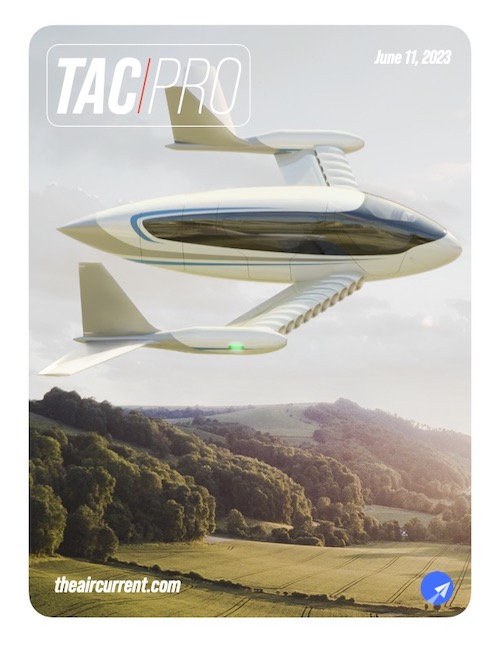
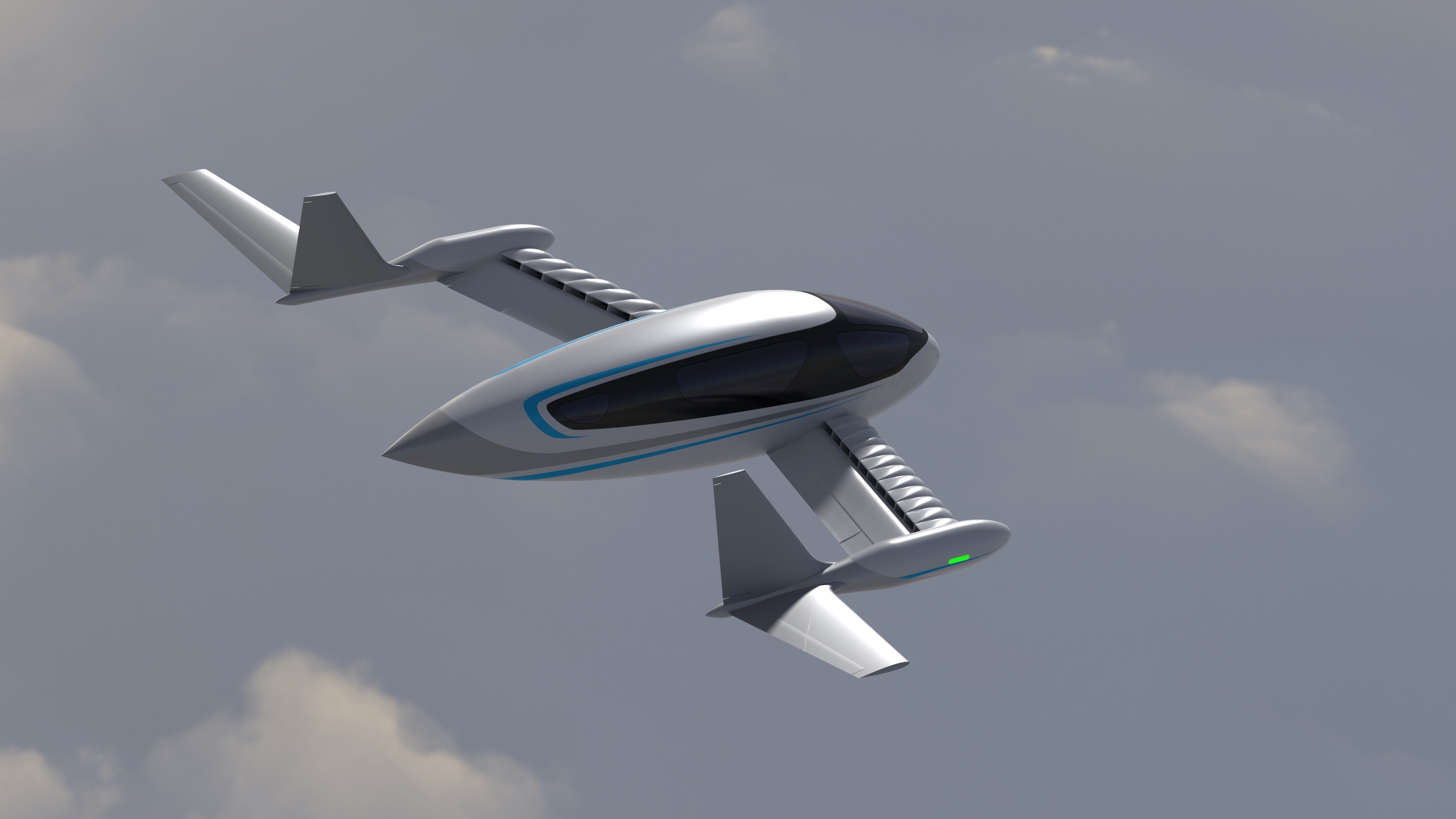
Whisper Aero, a Crossville, Tennessee startup co-founded by former NASA engineer and Uber Elevate veteran Mark Moore, is unveiling the Whisper Jet — a nine-passenger, hybrid-electric regional aircraft built around a proprietary electric ducted fan (EDF) technology that the company claims solves one of advanced air mobility's most persistent obstacles: community noise acceptance. The aircraft targets a maximum cruise speed of 250 knots, an unpressurized cruise altitude of approximately 10,000 feet, and a hybrid range of 432–464 miles using a combination of lithium-metal batteries and an onboard turbo-generator. Battery-only range sits at 161–193 miles. The company is presenting the technical specifics behind its EDF system at the AIAA Aviation Forum in San Diego in June, marking a significant step out of operational stealth after emerging publicly two years ago and closing a $32 million Series A in April.
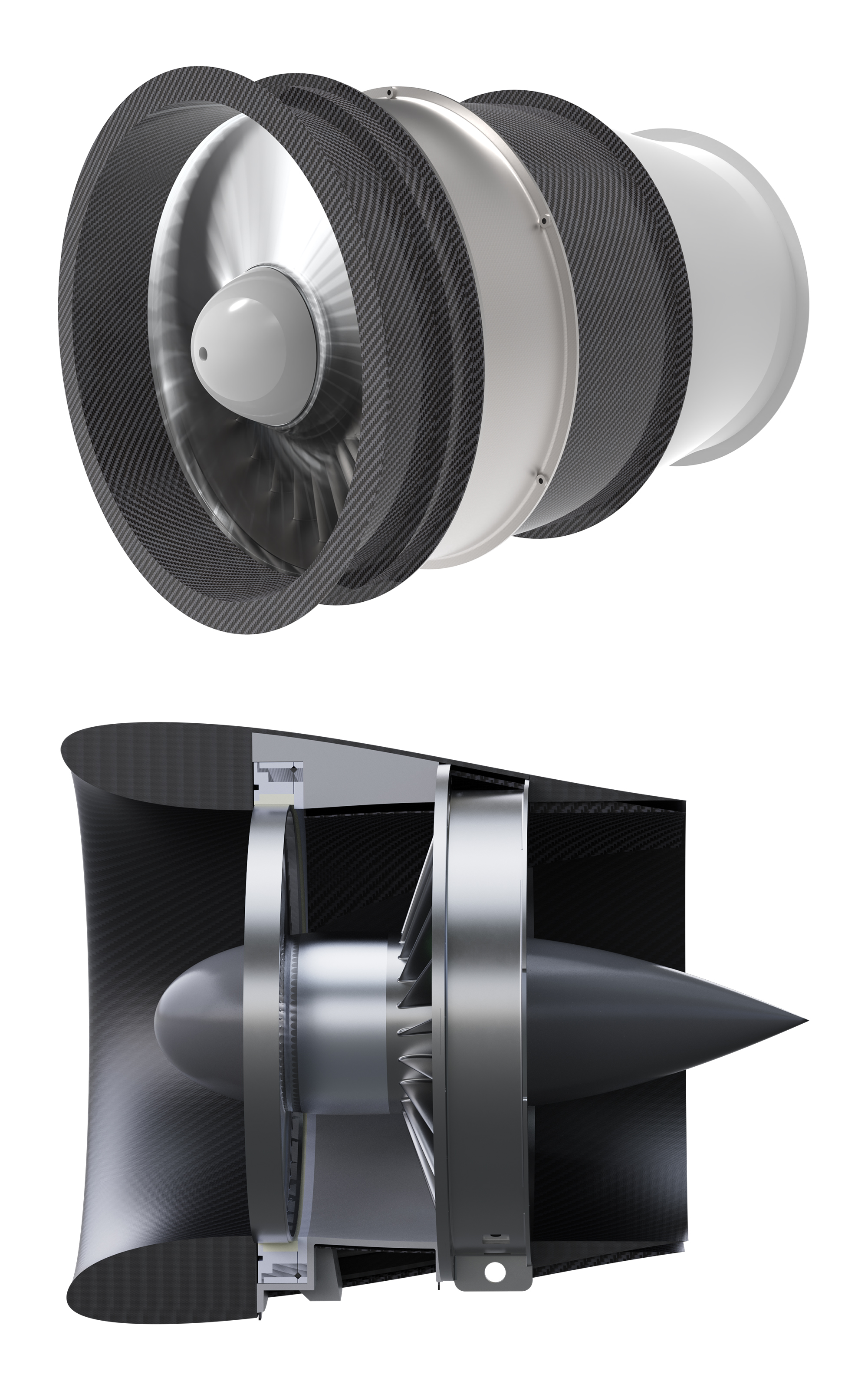
The core engineering achievement at the heart of the Whisper Jet is a ducted fan design that pushes blade passage frequency into the ultrasonic range — above the threshold of human hearing — by combining very high blade counts with sufficient RPM. The acoustic result is that the dominant tonal noise signature, which plagues conventional ducted fans and propellers, is effectively eliminated from the human-perceptible spectrum and attenuates rapidly in the atmosphere. Structural integrity of the thin, high-count blades is maintained through a tip shroud that tensions them like bicycle wheel spokes and simultaneously eliminates the tip-to-duct gap responsible for noise and efficiency losses in conventional designs. The shroud approach is made feasible by the small fan diameters — ranging from four to 24 inches — which keep tip speeds low even at the high RPMs required for ultrasonic blade passage frequency. Distributed electric propulsion is central to the architecture: electric motor weight scales inversely with motor count, meaning smaller motors distributed across the airframe are weight-competitive in a way that turbine or piston powerplants are not, and their thermal management at smaller scales can be handled passively through airflow rather than heavy liquid cooling systems.
For operators in the regional air service and commuter markets, the Whisper Jet's specifications frame a specific competitive niche that currently sits between piston twins and light turboprops on one end and pressurized turboprops or light jets on the other. A 250-knot cruise speed at 10,000 feet unpressurized, carrying nine passengers 430-plus miles in hybrid mode, positions the aircraft to serve routes that are too short for efficient airline turboprop operations but too long and operationally demanding for eVTOL concepts targeting urban corridors under 50 miles. The unpressurized ceiling is a deliberate cost trade — eliminating pressurization reduces airframe acquisition cost by an estimated 10 percent — and keeps the aircraft within a regulatory and operational envelope that may simplify certification. Whether that ceiling proves acceptable to operators on routes that cross mountainous terrain or encounter convective weather will be a practical question that route-specific analysis will need to answer.
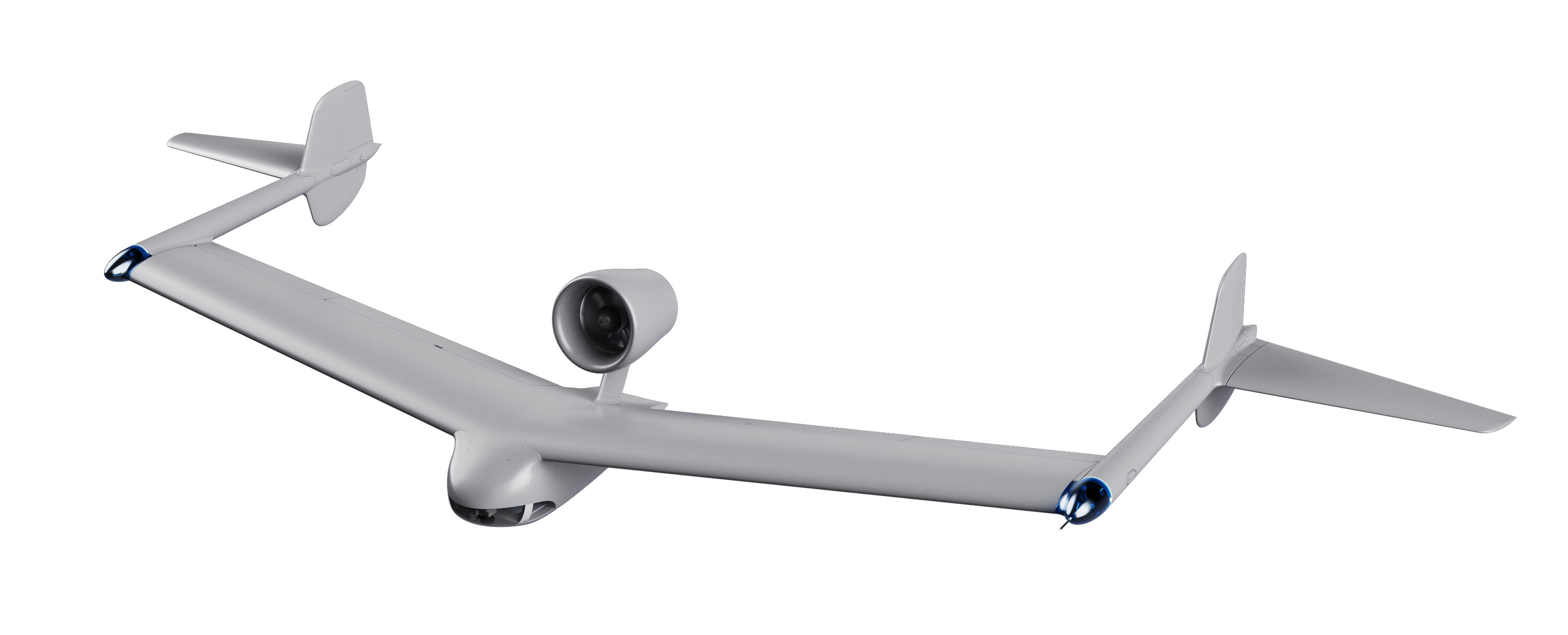
Whisper Aero's commercial pathway reflects hard lessons learned from the broader advanced air mobility industry's funding and certification difficulties. Rather than pursuing a direct route to Part 25 aircraft certification — which the company targets for the mid-2030s — it is first commercializing its EDF technology through consumer products such as the Tone T1 leaf blower unveiled at CES 2026, and through defense and industrial contracts including drone work for the U.S. Air Force. This phased strategy generates revenue, builds manufacturing scale, and accumulates operational data on the propulsor technology in lower-risk regulatory environments before the company commits capital to the full aviation certification process. Moore and Villa explicitly frame the Whisper Jet as a vehicle for the regional air mobility market, which they argue carries as much economic potential as urban air mobility but has attracted a fraction of the investment — a positioning that distinguishes Whisper Aero from the urban-centric eVTOL field and targets a customer base of regional carriers, fractional operators, and charter providers who fly fixed routes between underserved secondary airports rather than rooftop-to-rooftop hops in dense metro areas.
The broader significance of Whisper Aero's public technical disclosure is that it adds a credible, NASA-pedigreed engineering basis to a regional electric aviation concept at a time when the eVTOL sector is experiencing significant capital and regulatory turbulence. The AIAA forum presentations represent peer-reviewed or peer-reviewable technical claims about efficiency and noise performance — a higher evidentiary standard than marketing renderings. For professional pilots and operators evaluating the horizon of aircraft types they may fly or procure, the Whisper Jet is still a vision aircraft without a type certificate timeline firm enough to drive near-term fleet planning decisions. What it does represent, however, is a technically articulated argument that the combination of ultrasonic-frequency EDF noise suppression, distributed hybrid-electric propulsion, and high-volume composite manufacturing could ultimately yield a nine-seat regional aircraft with operating economics and community acceptance profiles that neither turboprop nor eVTOL architectures can match on the same mission profile — a claim that the company will now have to substantiate in the engineering literature and, eventually, in the air.