The Real Product Boeing & Airbus Sell Airlines Isn't The Jet: It's The Cockpit
The economics of modern airline fleet decisions increasingly hinge on a factor that rarely appears in glossy manufacturer marketing materials: cockpit commonality. While Boeing and Airbus continue to compete publicly on fuel burn, range, and cabin comfort, the deeper and more durable competitive battle is fought over flight deck architecture and the training pipelines it enables. A type rating transition traditionally consumes eight to eleven weeks of simulator time, classroom instruction, and line-oriented flight training, with six-axis, full-motion simulators costing hundreds of dollars per hour to operate and pilots pulled from the schedule for the duration. With roughly 60% of pilots reportedly experiencing some failure point during simulator transition training, the financial and operational risk embedded in acquiring a new aircraft type extends far beyond the purchase price of the airframe. For carriers operating on thin margins, the ability to shrink or eliminate that training exposure is often as consequential as any advertised improvement in fuel efficiency.
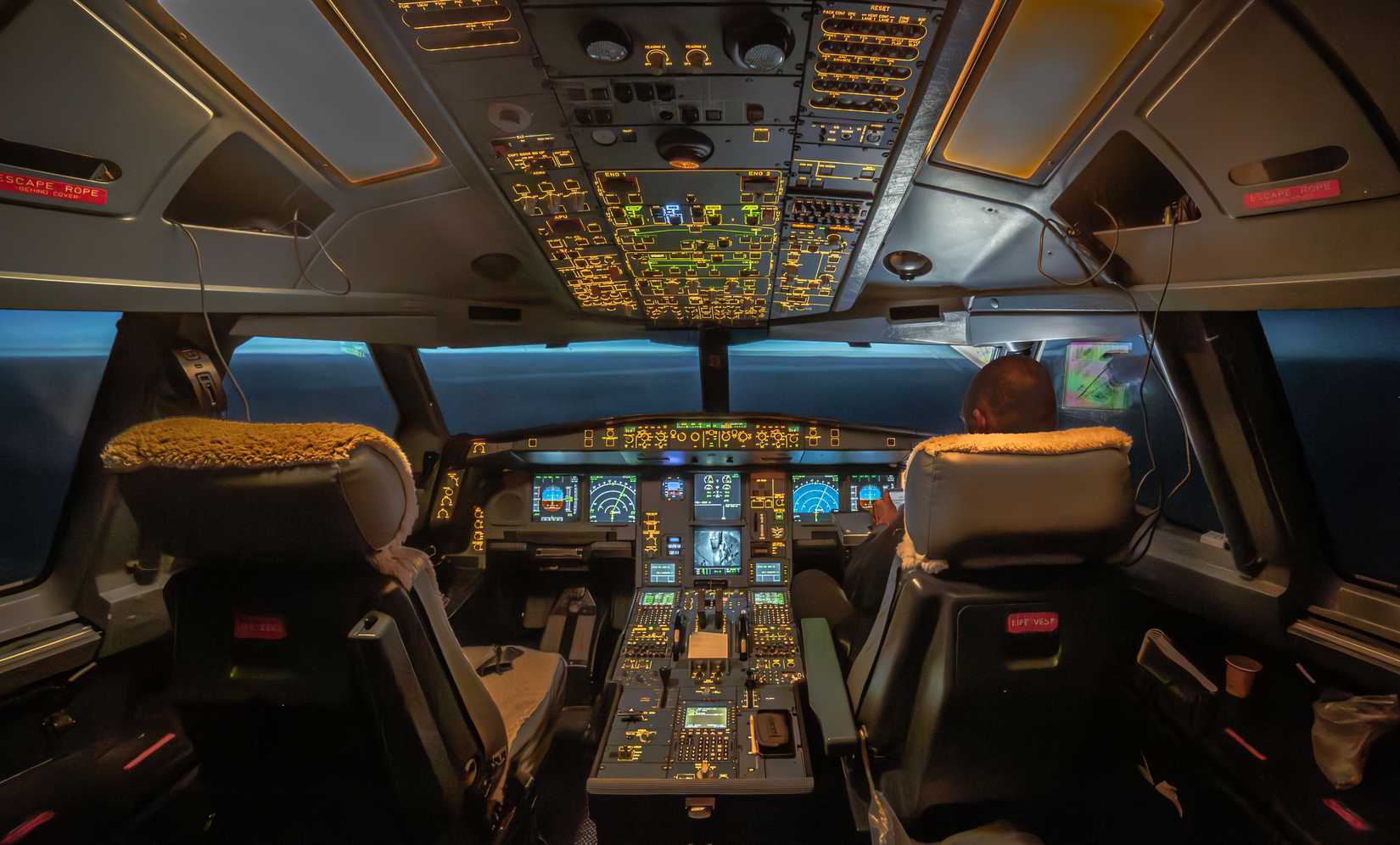
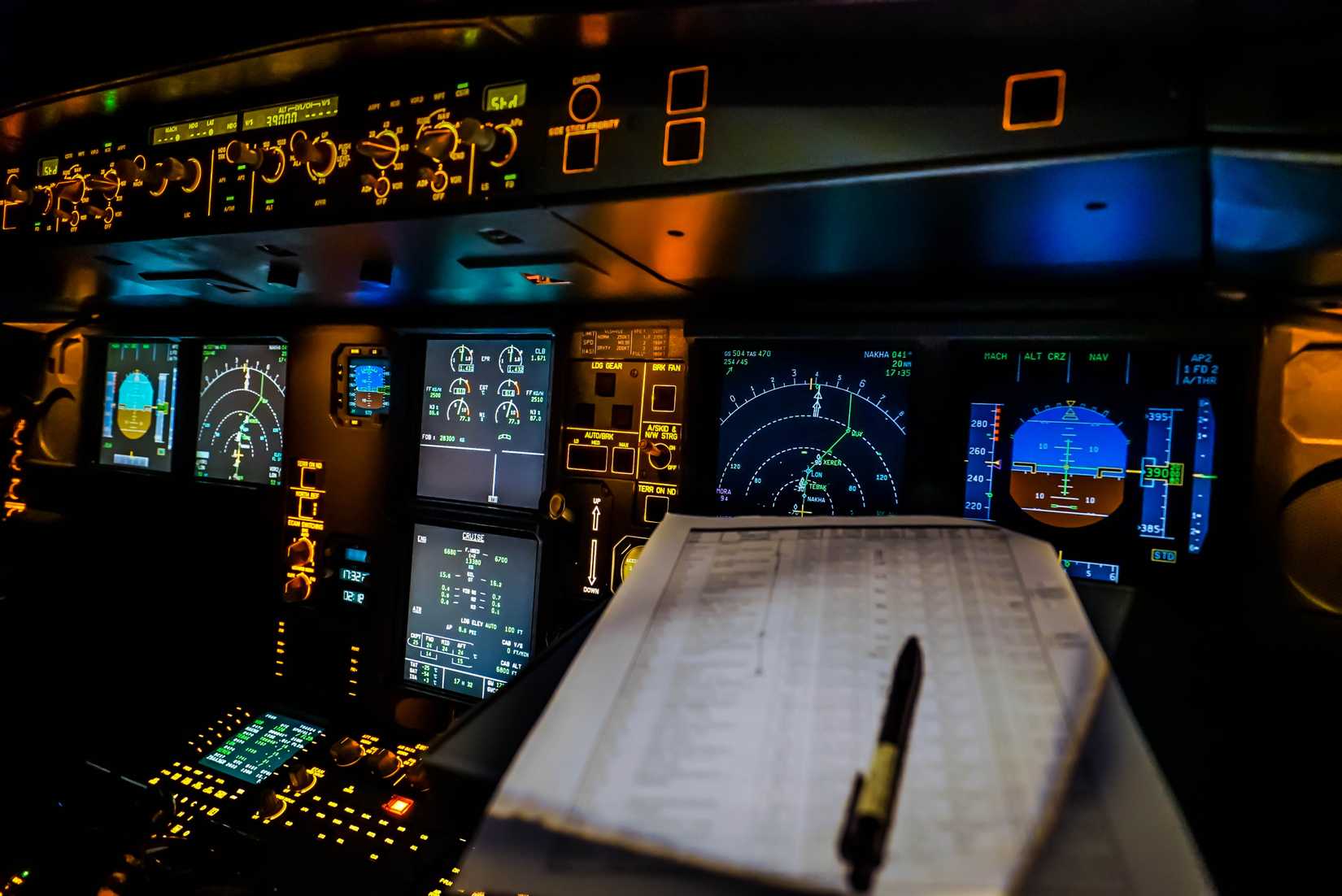
Airbus built its commercial strategy around this reality decades ago, engineering a fly-by-wire philosophy that treats the A320, A330, A340, A350, and A380 as variations on a single digital operating system rather than as discrete aircraft. Cross-Crew Qualification programs allow active A330 pilots to qualify on the A350 in as little as eight working days with zero mandated full-motion simulator time, and CCQ pathways from other Airbus types can cut traditional training durations by as much as 78%. This commonality doesn't just save money; it fundamentally changes crew scheduling flexibility, allowing airlines to run mixed fleet flying operations where a single pilot pool moves fluidly between short-haul and long-haul routes within the same roster period. That flexibility is a direct lever on staffing costs, reserve pilot requirements, and network resilience during disruptions — arguably as important to an airline's bottom line as the aircraft's specific fuel consumption numbers.
For working pilots, this dynamic shapes career trajectories in ways that are often underappreciated. Airbus-side-stick pilots moving through a CCQ-enabled fleet effectively become systems managers overseeing computer-mediated flight control laws rather than hands-on aviators managing raw aircraft dynamics, and the industry's growing appetite for that model reflects airlines' preference for interchangeable, rapidly deployable crew resources over aircraft-specific specialists. Boeing's divergent approach — retaining the traditional yoke and column-based control philosophy even through the fly-by-wire 777 and 787 — represents a different bet on how much operational continuity matters relative to preserving traditional hand-flying feel and muscle memory across a fleet transition. Both philosophies have loyal defenders within the pilot community, but the commercial stakes are unambiguous: manufacturers that can demonstrably lower an airline's training footprint gain a retention advantage that is difficult for a competitor to unseat once a carrier has standardized its fleet and crew qualification pathways around one ecosystem.
This trend extends well beyond the majors. Regional carriers, charter operators, and increasingly business aviation fleets evaluating common-type programs face the same calculus, since simulator access, instructor availability, and reserve crew costs scale similarly regardless of operator size. As airlines continue to expand fleets under tight margins and pilot supply constraints, expect manufacturers to keep pushing flight deck commonality as a primary sales argument, and expect training departments, check airmen, and scheduling committees to have as much influence over next-generation fleet selection as the performance engineers modeling range and payload. For pilots, understanding this shift matters directly to career planning: which manufacturer's ecosystem a carrier commits to will increasingly determine how transferable a pilot's qualifications are across fleet types, how quickly upgrades and transitions happen, and how much simulator-heavy training remains a fixture of a career versus a rare event reserved for genuinely new type acquisition.










 Read original article