Skyfly Debuts Updated Axe eVTOL At EAA AirVenture Oshkosh
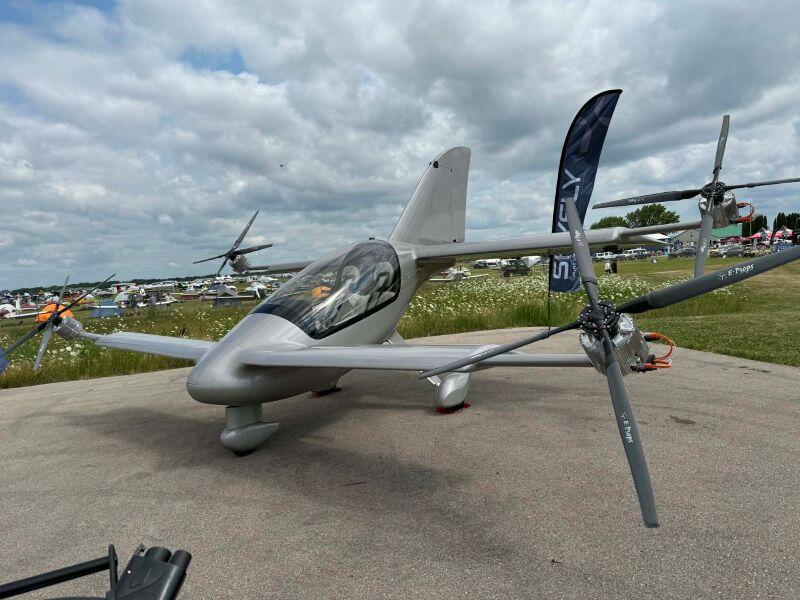
UK-based eVTOL startup Skyfly used EAA AirVenture Oshkosh 2026 to introduce a production-intent version of its two-seat Axe aircraft to American audiences for the first time, showcasing a design that has undergone substantial revision since earlier prototype iterations. The updated mockup features a reworked propulsion system, an upgraded battery pack, and a redesigned cockpit, signaling that the company is moving beyond proof-of-concept demonstrations toward a configuration intended for eventual manufacture. Company representatives indicated Skyfly expects to begin assembling the production version of the Axe toward the end of 2026, a timeline that places it among a cohort of eVTOL developers racing to transition from flight-test articles to certifiable, sellable products.
For working pilots and operators, the Axe's continued development is another data point in the slow but steady maturation of the eVTOL sector, particularly in the light, personal-use and air-taxi-adjacent segments that sit outside the heavily capitalized programs from Joby, Archer, Beta, and Vertical Aerospace. Skyfly's aircraft occupies a niche closer to advanced light sport or experimental categories, targeting individual owner-operators and smaller commercial applications rather than dense urban air mobility networks. The propulsion and battery updates highlighted at Oshkosh matter because powertrain reliability and energy density remain the central engineering and certification hurdles across the entire eVTOL industry—any incremental improvement in these areas is closely watched as an indicator of how quickly the broader category can move toward viable range, payload, and safety margins acceptable to regulators and insurers.
The choice of AirVenture as a launch venue for Skyfly's U.S. market debut is itself notable. Oshkosh has increasingly become a proving ground not just for traditional GA and experimental aircraft manufacturers but for AAM entrants seeking to build credibility with the pilot community, secure early interest from prospective buyers, and signal progress to investors ahead of anticipated certification milestones. As eVTOL programs globally continue to face schedule slips, funding pressures, and certification uncertainty—challenges that have already forced consolidation and even exits among some competitors—events like AirVenture give companies a chance to demonstrate tangible hardware progress rather than renderings or simulations, which carries outsized weight with an audience of skeptical aviators.
More broadly, Skyfly's Oshkosh appearance reflects the ongoing bifurcation of the eVTOL market between well-funded, multi-seat urban air mobility ventures pursuing Part 135-style commercial operations and smaller firms like Skyfly pursuing simpler, lower-certification-burden aircraft aimed at individual pilots or niche operators. For business aviation and general aviation professionals, this diversification is worth monitoring: even if large-scale urban air taxi networks remain years away from routine commercial service, lighter eVTOL designs reaching production could arrive sooner and begin influencing training requirements, airspace integration procedures, and FBO/ramp operations at smaller airports well before the more ambitious UAM concepts achieve scale. Skyfly's stated end-of-2026 assembly target, if met, would mark a meaningful step for the company, though industry observers will rightly view such timelines with the same cautious skepticism that has met similar projections from peers across the eVTOL landscape.








 Read original article