The Airbus A220 Could Make More Than 2,200 Unserved Routes Viable
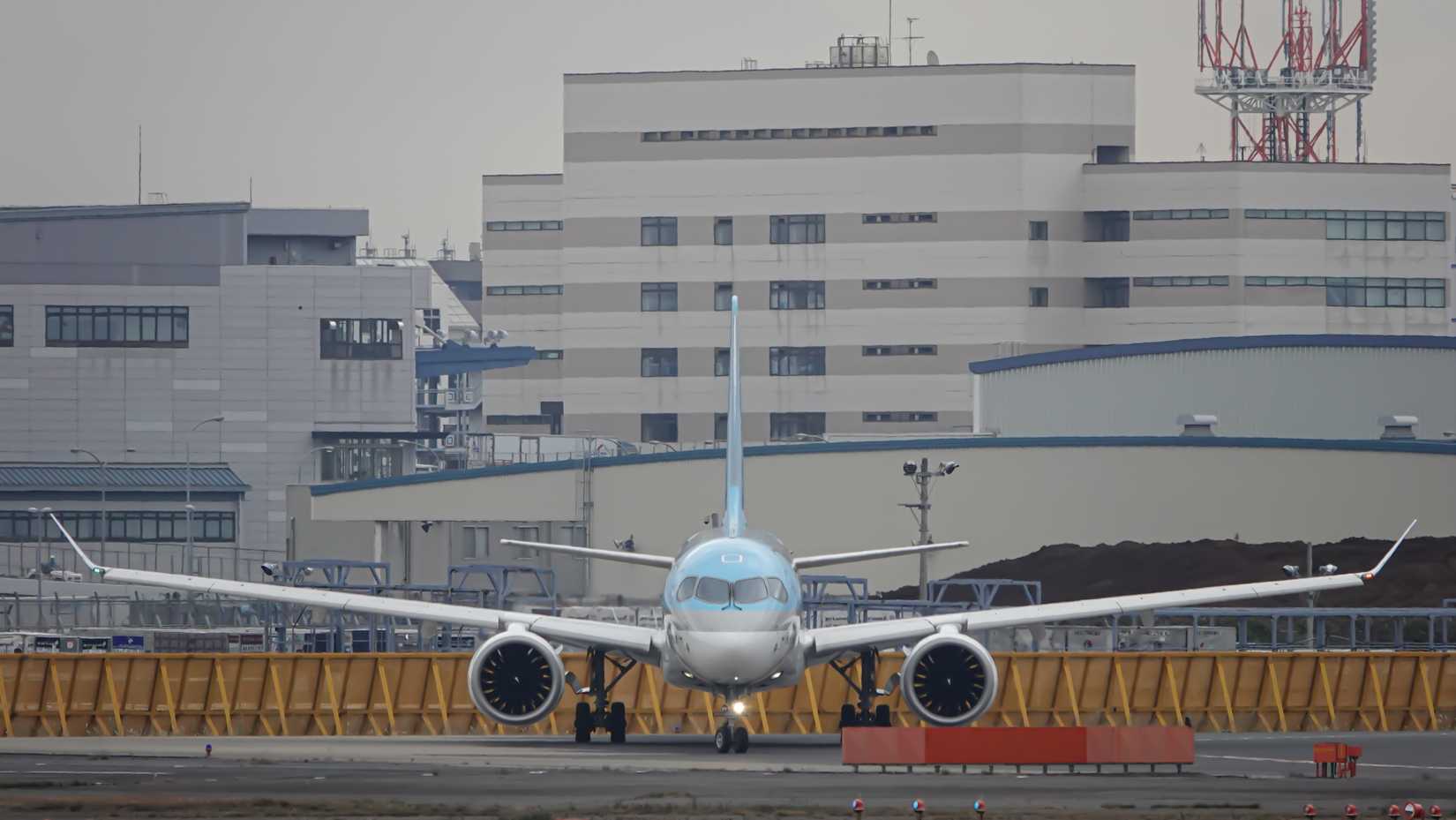
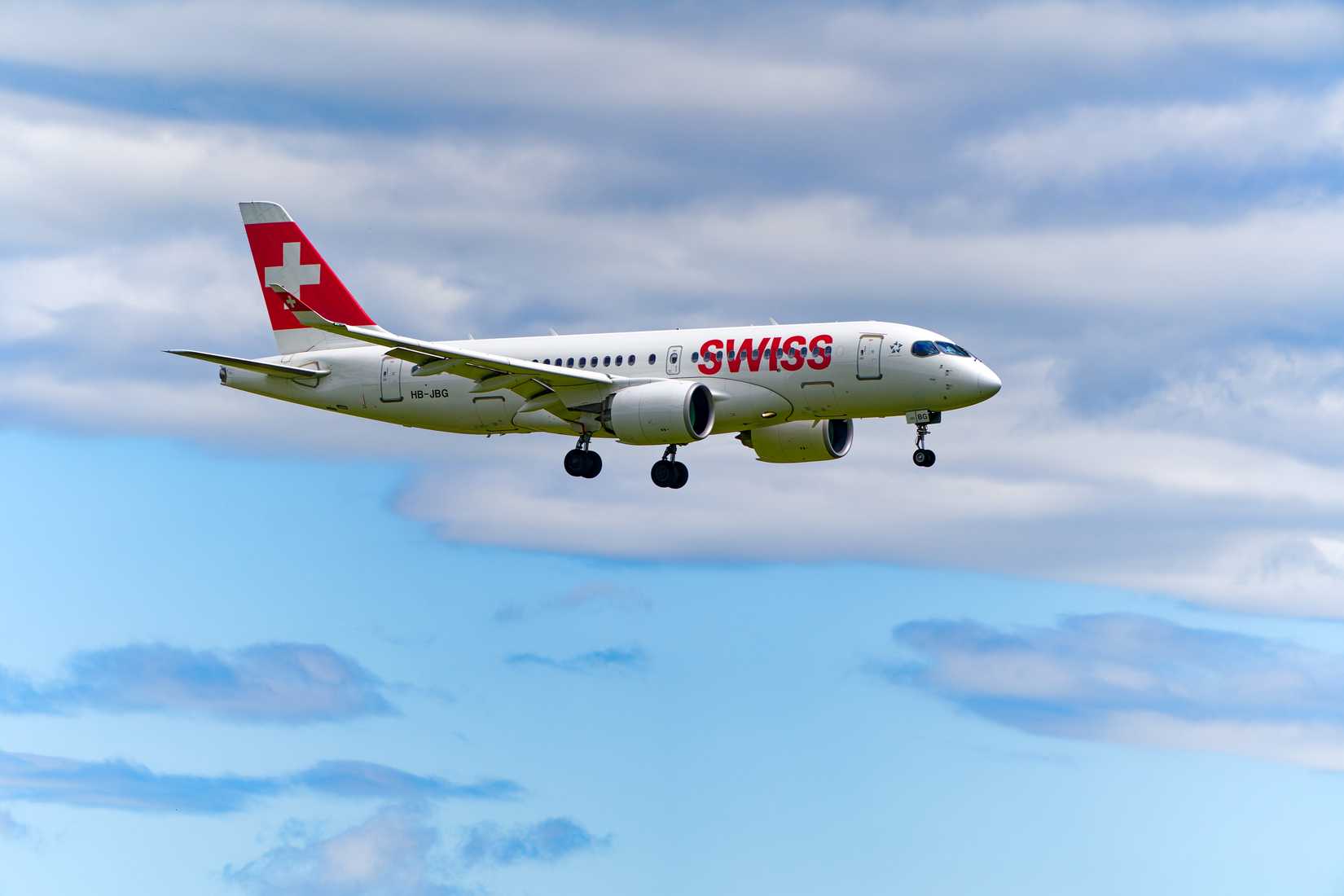
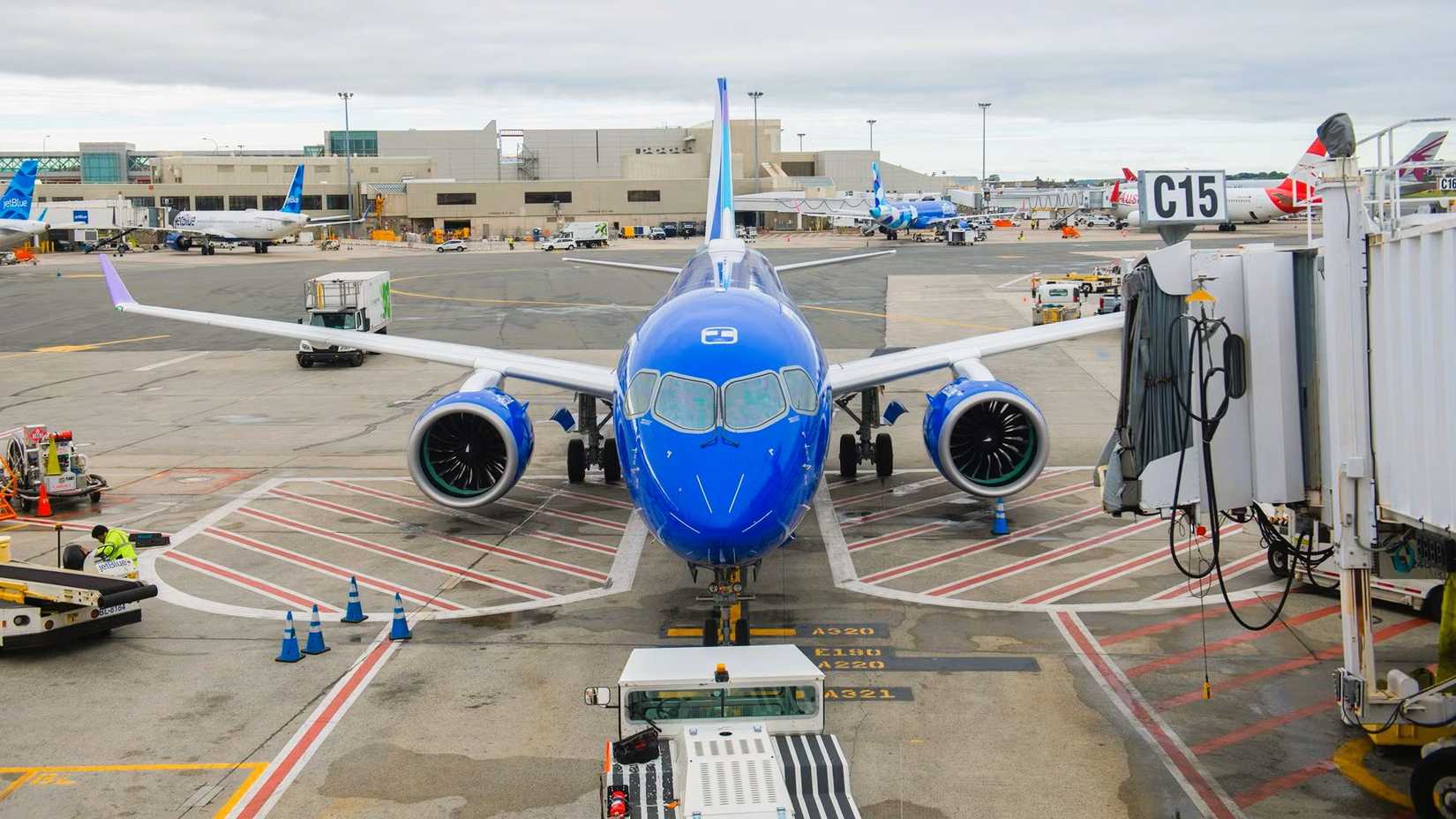
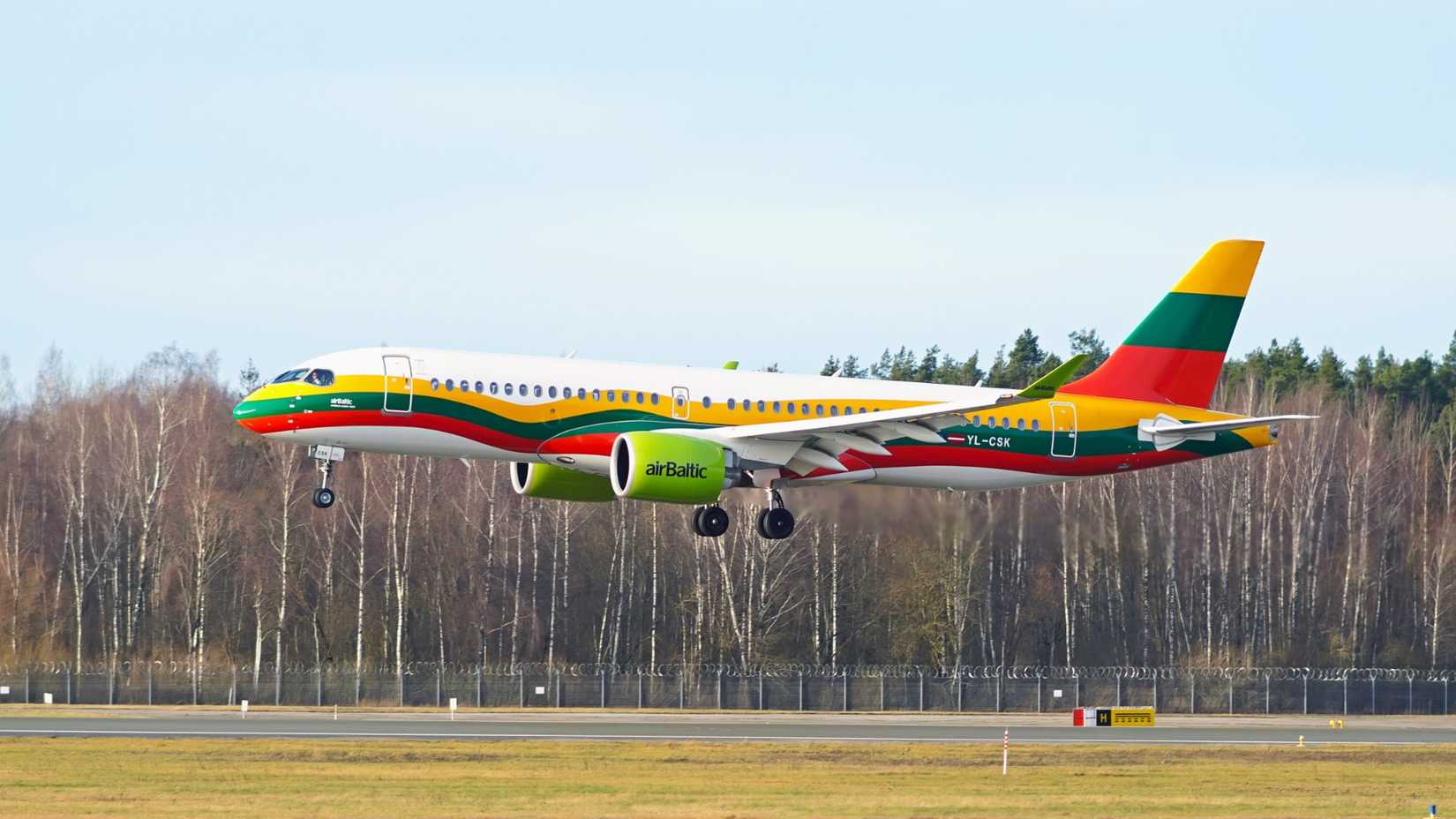
Airbus's 2026 Global Market Forecast, unveiled in London, positions the A220 as the linchpin of a structural shift away from hub-and-spoke dominance toward point-to-point connectivity between secondary and tertiary cities. The headline figures are significant: global passenger traffic is projected to grow 3.9% annually over the next two decades, reaching roughly ten billion passengers by 2045, with smaller and medium-sized urban centers expanding nearly three times faster than established megacities. Airbus claims the A220 has already enabled more than 400 previously unserved routes and sees potential for over 2,200 additional city pairs globally, including 800-plus in the Asia-Pacific region alone. These are not abstract projections—Airbus Head of Marketing Joost van der Heijden pointed to real-world examples like airBaltic's Riga-Tenerife route, a 2,700-mile sector that would be uneconomical for a larger narrowbody but works well with the A220's 100-150 seat, long-range configuration.
For working pilots, this forecast signals a continuing shift in fleet composition and career paths away from pure hub-feeder flying toward longer, thinner, transcontinental sectors flown in smaller aircraft. Carriers deploying the A220 on routes exceeding 2,500-3,000 nautical miles are effectively asking crews to fly widebody-style mission profiles—extended overwater or remote-area segments, diversion planning, ETOPS-adjacent considerations for some markets—in a twin-engine narrowbody with a two-person flight deck. This has implications for training pipelines, crew scheduling, and fatigue risk management at regional and mainline carriers alike, since the A220's range envelope blurs the traditional distinction between short-haul and long-haul operations. Airlines that previously avoided speculative routes because a 180-seat A320 or 737 carried too much financial risk can now test markets with a right-sized aircraft, meaning pilots at growth-oriented carriers may see more frequent route additions, seasonal adjustments, and thin-route flying than in a purely hub-centric network.
The Asia-Pacific emphasis is particularly relevant to pilots and operators watching where new type ratings and base assignments will emerge. Airbus's framing—secondary cities in India, Vietnam, Indonesia, and Malaysia bypassing overcrowded primary hubs—suggests future demand for A220 crews based outside traditional gateway cities, often at airports with shorter runways or high-altitude terrain that favor the type's performance characteristics. This mirrors broader trends already visible in North America and Europe, where low-cost and regional carriers have used the A220 to open leisure and VFR (visiting-friends-and-relatives) markets that mainline widebodies and standard narrowbodies couldn't justify economically. For business aviation and charter operators, the same underlying demand driver—passengers increasingly prioritizing direct routing over connection efficiency—reinforces why point-to-point private and fractional flying continues to grow in parallel with commercial network decentralization.
More broadly, this forecast reinforces a theme that has been building across the industry for several years: the aircraft that wins isn't necessarily the biggest or fastest, but the one that best matches capacity to actual demand on a given city pair. Boeing's 737 MAX 7 and Embraer's E2 family compete in adjacent segments, but Airbus is explicitly positioning the A220 as uniquely suited to this "network builder" role given its range-to-capacity ratio. For flight departments, network planners, and pilots tracking where the next decade of hiring, upgrades, and base openings will happen, the message from this forecast is clear—growth will increasingly follow secondary-city point-to-point routes rather than concentrating further in already-congested hub systems, and the aircraft capable of profitably serving those thin, long routes will shape where flying jobs and training investment go next.










 Read original article