How This Major Airline Is Creating The Most Spacious Business Suite In The Sky
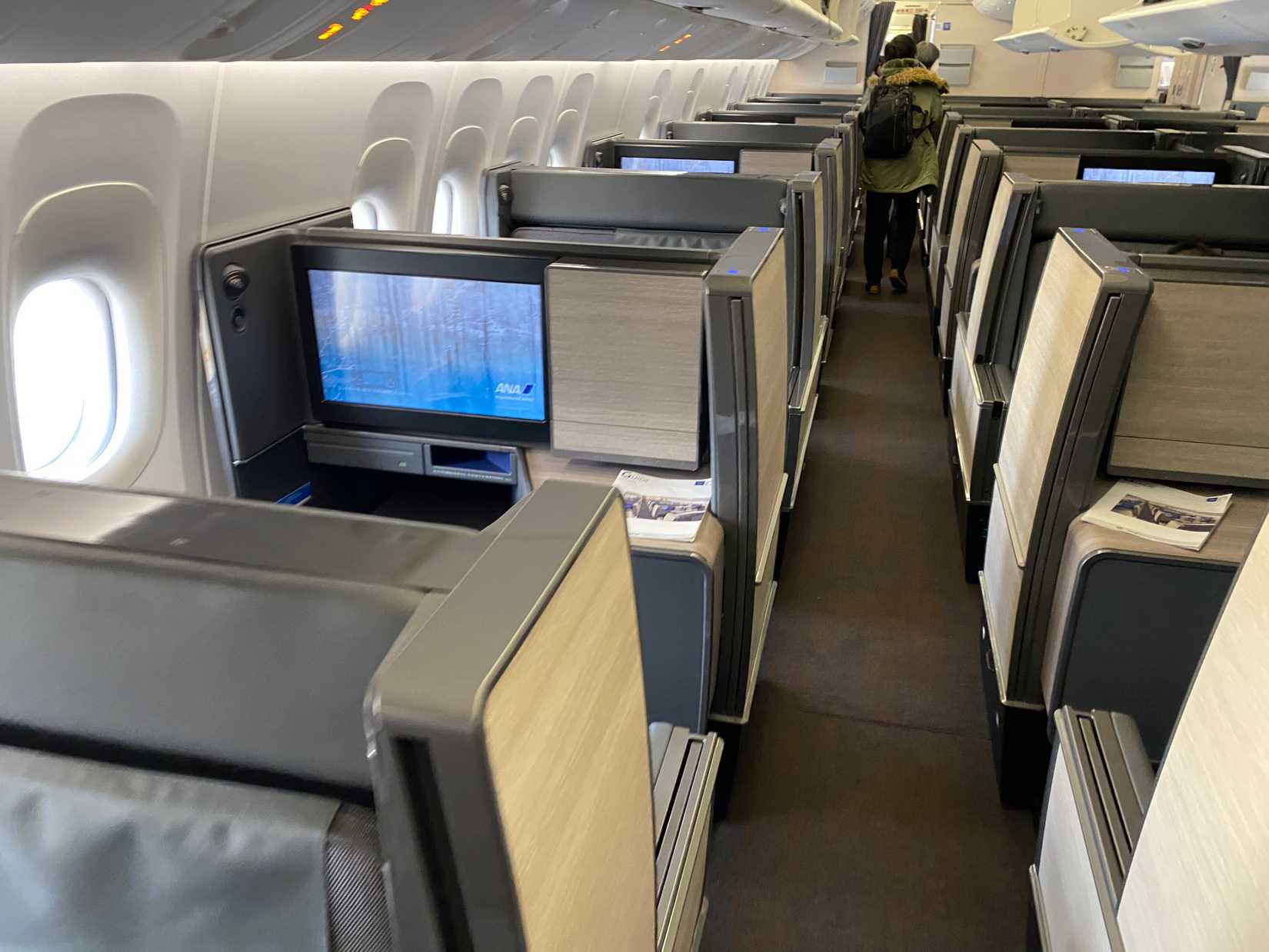
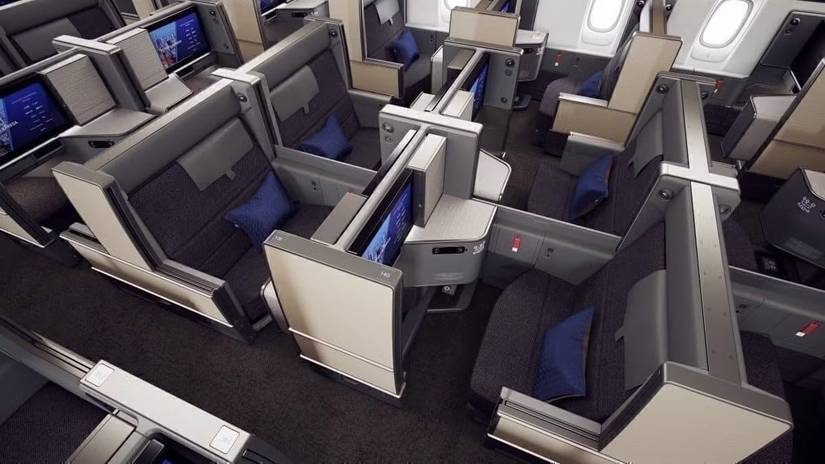
ANA's rollout of The Room FX on the Boeing 787-9 marks a notable evolution in premium cabin design, one that prioritizes spatial generosity over the industry's default push toward density. Building on the 777-300ER's The Room product introduced in 2019—already among the widest business class suites flying at 38 inches—ANA and its design partners at Safran Seats and Acumen have engineered a version for the 787-9 that is actually wider still, at up to 41.5 inches, despite the aircraft's narrower fuselage. The key enabler is the shift from a conventional electric recline mechanism to a fixed-backrest, sofa-style seat similar in concept to Finnair's AirLounge. Removing the motors, tracks, and articulating frame that a traditional lie-flat seat requires frees up structural width that ANA has redirected into suite dimensions and a longer bed, addressing what had been the original product's most cited shortcoming for taller passengers.
For working pilots, particularly those flying long-haul international routes or operating in the corporate/business aviation space, this development is worth tracking less for its cabin engineering novelty and more for what it signals about airline economics and passenger expectations. ANA's willingness to accept a lower business class seat count in exchange for a differentiated product is a direct bet that premium yield and brand reputation outweigh per-flight revenue from maximizing seat count. That trade-off has implications for scheduling, payload planning, and revenue management teams, but it also filters down to flight crews in subtler ways: cabins with fewer, larger suites change boarding flow, weight distribution assumptions, and turnaround dynamics at the gate. Airline pilots flying the 787-9 on ANA's long-haul network, or crews at competing carriers benchmarked against products like The Room and Qatar's QSuite, will see this kind of investment used as a competitive differentiator in an increasingly commoditized premium cabin market.
The broader trend here is the widening gap between full-service international carriers and the business jet segment on cabin philosophy, even as both are converging on the idea that space, privacy, and a residential feel are what today's premium traveler values most. Business aviation operators have long marketed cabin volume and privacy as core value propositions against commercial first and business class; ANA's move narrows that gap on paper, at least in terms of suite width and bed length, even though the overall passenger experience, service model, and mission flexibility of a private jet remain fundamentally different. For Part 91/135 operators and flight departments advising principals on travel options, this kind of premium commercial product improvement is a recurring talking point in the ongoing comparison between chartering a jet and flying first/business class on ultra-long-haul routes—the value proposition for private aviation increasingly rests on schedule control, security, and multi-leg efficiency rather than raw seat comfort, since airlines are closing that comfort gap faster than expected.
Finally, the technical approach ANA took—abandoning the recline mechanism entirely in favor of a manual, fixed-backrest sofa design—reflects a broader shift in seat engineering across the industry, one that trades some passenger customization (the ability to fine-tune recline angle electrically) for weight savings, mechanical simplicity, and spatial efficiency. This mirrors conversations happening in business jet cabin design as well, where designers continually balance mechanical complexity, weight, and certification burden against passenger comfort demands. Pilots and operators watching seat and cabin technology trends should note that the debate sparked by Finnair's AirLounge concept—whether passengers will accept losing electric recline in exchange for more space—is now being tested at much larger scale by a major international carrier, and the outcome will likely influence how other airlines, and potentially OEM cabin suppliers serving business aviation, approach the next generation of premium seating.





 Read original article