How Airbus Is Quietly Turning The A220 Into A Widebody-Comfort Jet For 8-Hour Transatlantic Routes
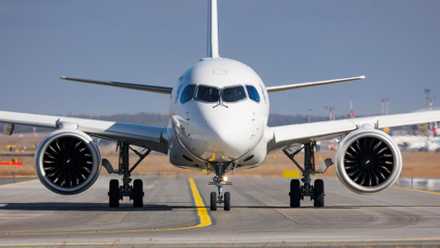
Airbus and 3M's June 23, 2026 long-term agreement for advanced thermal and acoustic insulation on the A220 program signals a deliberate, if understated, strategic shift for an aircraft that has outgrown its original design brief. Conceived as the Bombardier CSeries to replace aging regional jets on two-to-four-hour sectors, the A220 has since evolved—under Airbus ownership since 2018—into a viable transatlantic and long-thin route aircraft, with operators pushing missions toward the eight-hour mark. The 3M partnership targets cabin noise absorption and thermal consistency, two factors that matter little on short hops but become significant drivers of passenger fatigue and perceived comfort on longer sectors. By investing in materials science rather than headline-grabbing cabin features like seats or IFE, Airbus is addressing the subconscious elements of the flying experience that shape how travelers judge an airline's product against widebody competitors.
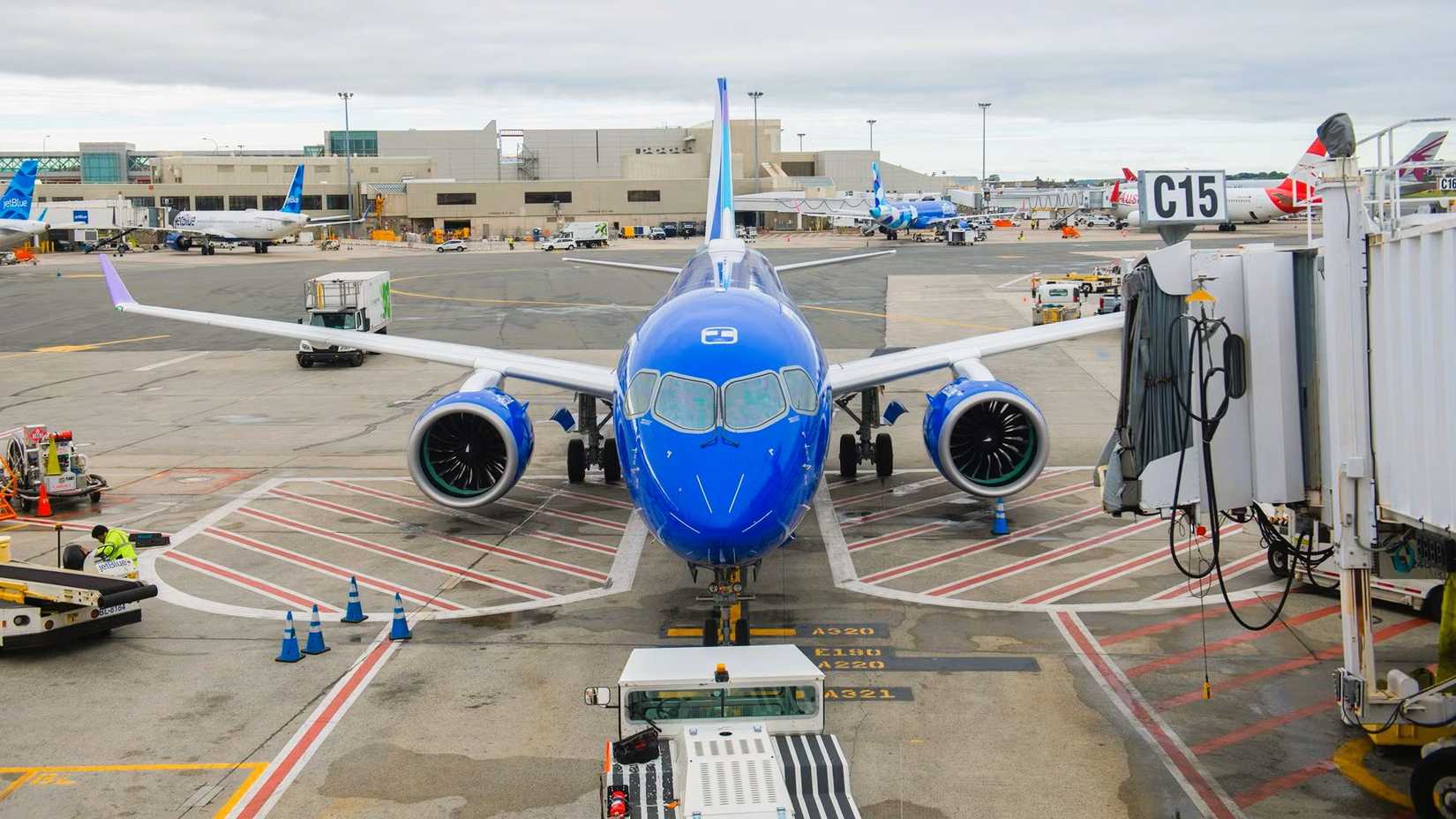
For working pilots, particularly those flying narrowbody long-haul or "long-thin" routes for carriers like JetBlue, Delta, Breeze, and airBaltic, this development reinforces a trend already visible on the line: single-aisle aircraft are increasingly being tasked with widebody-length missions, and manufacturers are responding by engineering widebody-like cabin environments into narrowbody airframes. Flight crews operating the A220 across the North Atlantic or on extended domestic sectors will likely see incremental improvements in cabin acoustics and thermal management that reduce crew fatigue alongside passenger fatigue—an operationally relevant point given the duty-time and rest considerations tied to ultra-long-range narrowbody flying. As airlines lean further into point-to-point service bypassing major hubs, pilots should expect continued growth in mission profiles that blur the line between "regional" and "long-haul" aircraft categories, with corresponding shifts in how crews are trained, scheduled, and rested for these extended single-aisle operations.
The broader significance for operators and fleet planners lies in the economics enabled by this comfort-focused engineering. The A220's fuel efficiency and lower trip costs already make it attractive for thin transatlantic markets that can't fill a widebody, and the top-five operator data—Delta at 87 aircraft, JetBlue at 65, Breeze at 57, Air France and airBaltic at 55-56 each—shows this is not a niche experiment but a maturing fleet strategy across full-service, low-cost, and startup carriers alike. If Airbus can credibly market the A220 as delivering widebody-comparable cabin comfort, airlines gain more flexibility to open new city pairs without the revenue risk of deploying a 250-350-seat aircraft on unproven routes. This has downstream implications for network planning, crew base staffing, and the types of routes flight departments and pilot unions will need to negotiate scheduling and pay structures around, as "long-thin" narrowbody flying becomes a permanent fixture rather than a transitional phase.
Finally, this move fits into a wider industry pattern in which manufacturers are competing on cabin experience as much as on range, payload, or fuel burn. Boeing has pursued similar comfort-differentiation strategies with the 787's humidity and pressurization systems, and Airbus itself has marketed cabin altitude and air quality improvements on the A350. Applying that same philosophy to a 100-150 seat aircraft like the A220 suggests manufacturers increasingly view passenger comfort technology as a competitive differentiator across all aircraft categories, not just flagship widebodies. For pilots and operators, the takeaway is that the aircraft they fly on "regional" routes today may increasingly be engineered—and marketed—as long-haul products, with all the operational, training, and scheduling adjustments that shift implies.









 Read original article