MagniX Looks Beyond Aerospace For Electric Technology Applications
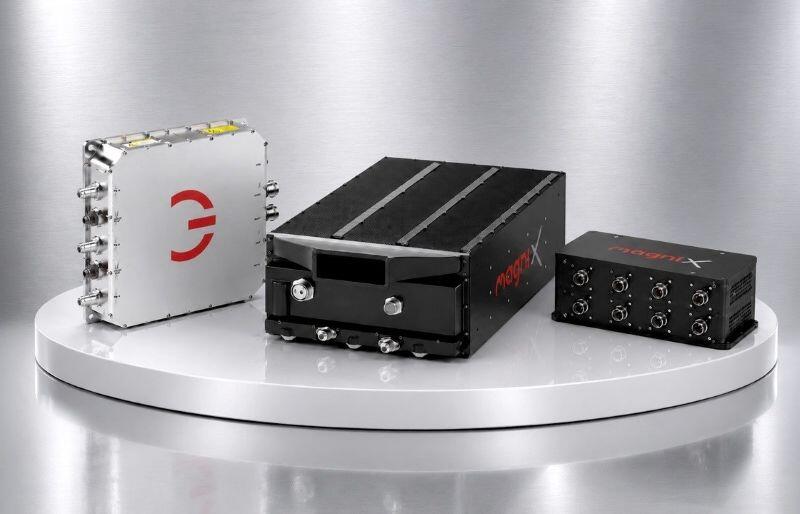
MagniX, one of the more prominent names in electric aviation propulsion, is broadening its business beyond aerospace into defense, space, mobility, and data center markets—a pivot that signals continued difficulty in the electric aircraft sector achieving commercial traction on the timelines once promised. The company, which has spent years developing electric motors and powertrains aimed at retrofitting regional turboprops like the Cessna Caravan and de Havilland Beaver for all-electric or hybrid-electric flight, is now positioning its core technology as applicable to non-aviation power and propulsion needs, including energy storage systems that could serve the rapidly growing data center industry. This diversification reflects a broader pattern among electric aviation startups that overestimated both the pace of certification and the near-term demand for electric aircraft, forcing many to seek revenue elsewhere while the aviation market matures.
For working pilots and operators, this development is a data point worth tracking rather than an immediate operational concern. Electric and hybrid-electric propulsion has long been touted as a path toward lower operating costs and reduced emissions for short-haul regional and urban air mobility operations, but the technology has consistently lagged behind the marketing timelines put forth by manufacturers and investors. MagniX's strategic broadening follows a familiar trajectory seen across the eVTOL and electric fixed-wing segment, where companies like Ampaire, Eviation, and others have faced funding gaps, technical hurdles around battery energy density, and slower-than-expected regulatory pathways from the FAA and EASA. Pilots flying regional turboprops or considering future fleet transitions should recognize that near-term electrification of commercial aircraft remains further off than earlier projections suggested, even as the underlying motor and power-electronics technology proves valuable in adjacent industries.
The data center angle is particularly notable given the current explosion in demand for computing power driven by AI workloads, which has created a parallel infrastructure crunch in electricity generation, distribution, and backup power. Aerospace-grade electric powertrain technology—engineered for high power density, reliability, and thermal management in a weight-constrained environment—translates reasonably well to stationary energy storage and power conversion applications, where efficiency and reliability are similarly prized. This kind of cross-industry technology transfer is not new; aerospace has historically been a proving ground for technologies that later find broader industrial application, from composite materials to advanced sensors. For MagniX, tapping into data center and defense markets provides a revenue diversification strategy that can sustain R&D investment in electric aviation propulsion while the certification and market-adoption timelines for hybrid-electric regional aircraft continue to stretch out.
More broadly, this move underscores an important trend for aviation industry observers: the electric and hybrid-electric propulsion sector is undergoing a maturation and consolidation phase after years of hype-driven investment. Companies that can find adjacent revenue streams—whether in defense applications, space systems, or terrestrial energy infrastructure—are more likely to survive long enough to see aviation-specific certification and market demand catch up. For airline, business aviation, and Part 135 operators evaluating future fleet options, this signals that sustainable aviation fuel and conventional turbine efficiency improvements are likely to remain the dominant near-term decarbonization pathways, while electric propulsion for passenger-carrying aircraft continues to be a longer-horizon bet contingent on battery technology advances and sustained corporate investment through diversified business models like the one MagniX is now pursuing.








 Read original article