Historical Context Archives - The Air Current
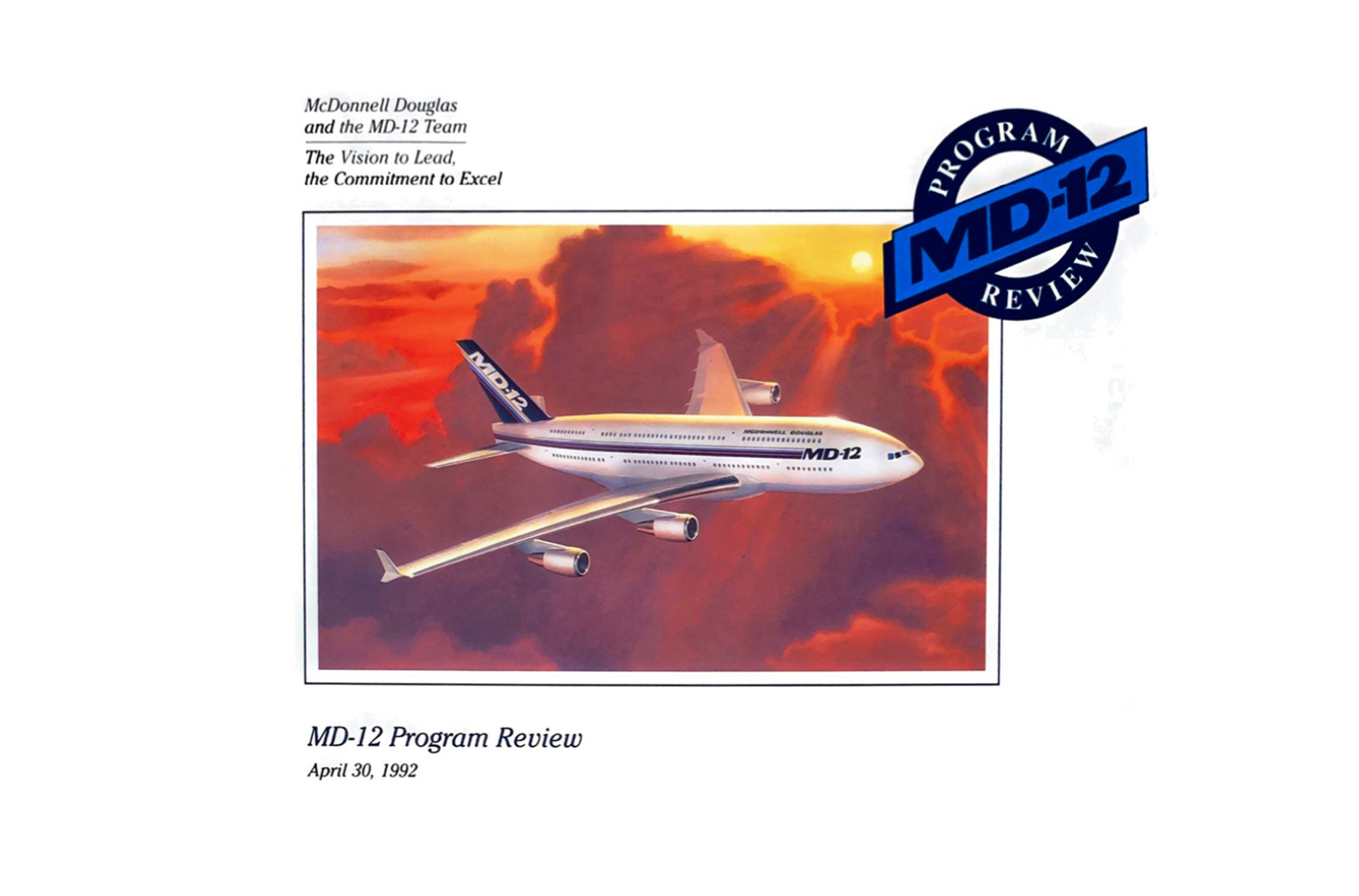
The Air Current's Historical Context archive represents one of the more rigorous bodies of aviation journalism produced in the subscription-media era, functioning as a deliberate counterweight to the industry's tendency toward short-cycle news coverage. Founded by Jon Ostrower and operating as a subscription-based platform, The Air Current has systematically documented the structural parallels between aviation's recurring crises — grounded fleets, abandoned aircraft programs, regulatory failures, and technological hype cycles — and the contemporary issues confronting airlines, manufacturers, and regulators. The archive spans from 2018 through at least early 2026, with entries addressing the DC-10 grounding of 1979, Boeing's aborted 7J7 program, the roots of the 737 MAX's MCAS system, and most recently, the eVTOL sector's striking resemblance to mid-twentieth century vertical-flight optimism.
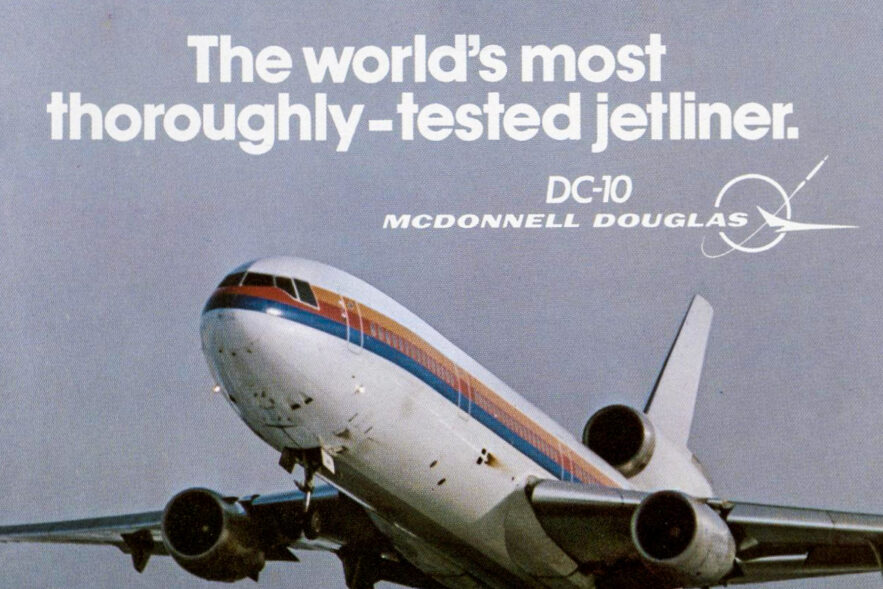
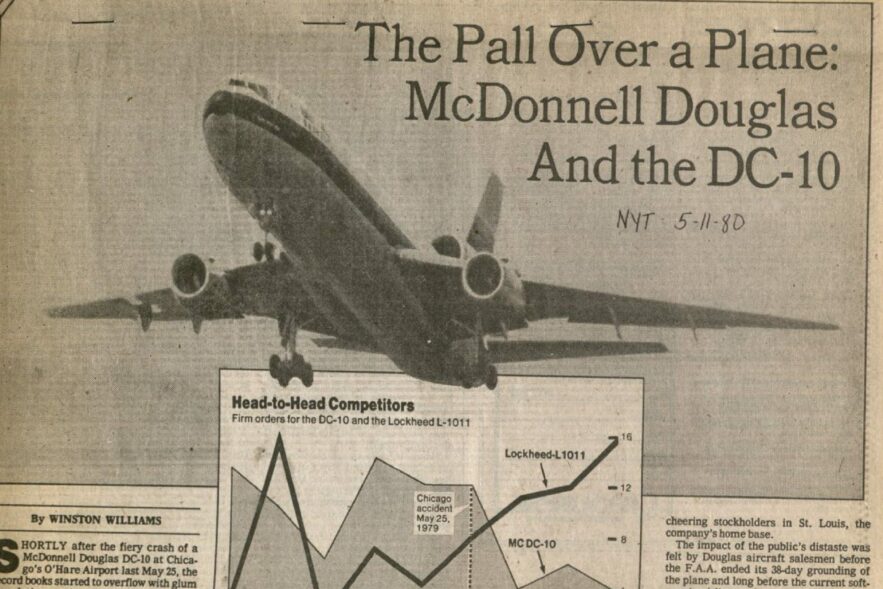
The DC-10 series, which runs across multiple entries from 2019 through 2020, stands as the archive's most operationally significant work for professional aviators. The articles trace the May 1979 crash of American Airlines Flight 191 — 273 fatalities, triggered by an engine and pylon separating during takeoff from O'Hare — through the FAA's subsequent fleet-wide grounding and the certification and maintenance failures that preceded the accident. Ostrower's analysis draws explicit parallels to the 737 MAX grounding that began in March 2019 after the Lion Air and Ethiopian Airlines crashes, arguing that pylon design shortcuts, regulatory deference to manufacturer self-certification, and the institutional pressure to avoid costly program redesigns created comparable failure conditions across four decades. For line pilots and chief pilots managing fleet decisions, the comparative framework is directly applicable: it articulates how aircraft with known design compromises re-enter service through incremental fix packages rather than root-cause redesigns, and what that means for long-term airworthiness confidence.
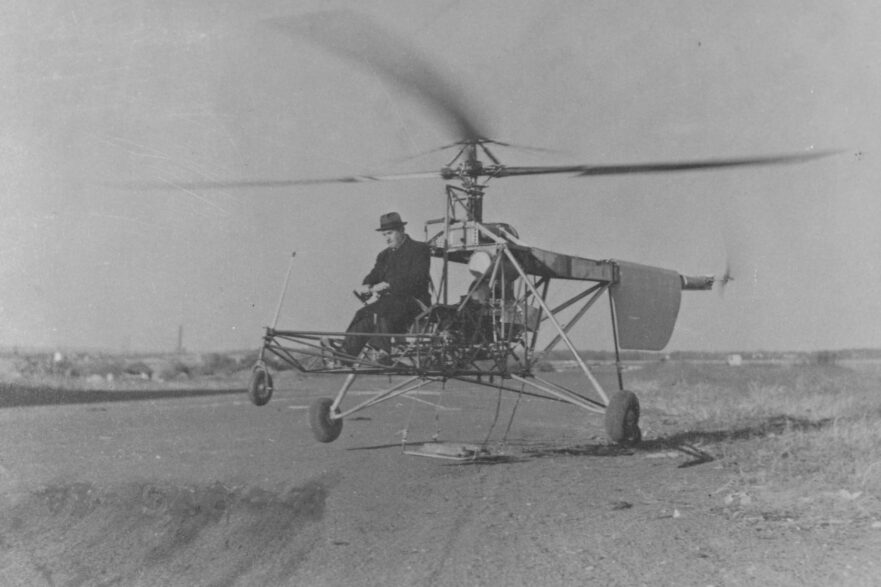
The archive's treatment of unrealized aviation eras carries equal weight for operators navigating current technology claims. The Sikorsky eVTOL piece — examining how Igor Sikorsky's 1940s helicopter advocacy generated spectacular public promises about urban air mobility that took generations longer than predicted to mature — provides a documented template for evaluating today's Joby Aviation, Archer, and Wisk certification timelines. The FAA's June 2022 eVTOL certification criteria announcement marked a genuine regulatory milestone, but TAC's historical framing places it within a pattern in which new propulsion and airspace paradigms consistently face friction that promotional timelines ignore. For operators considering fleet diversification into advanced air mobility platforms, or for Part 135 operators monitoring potential competition from air taxi services, this historical calibration offers a more defensible planning baseline than manufacturer-issued entry-into-service projections.
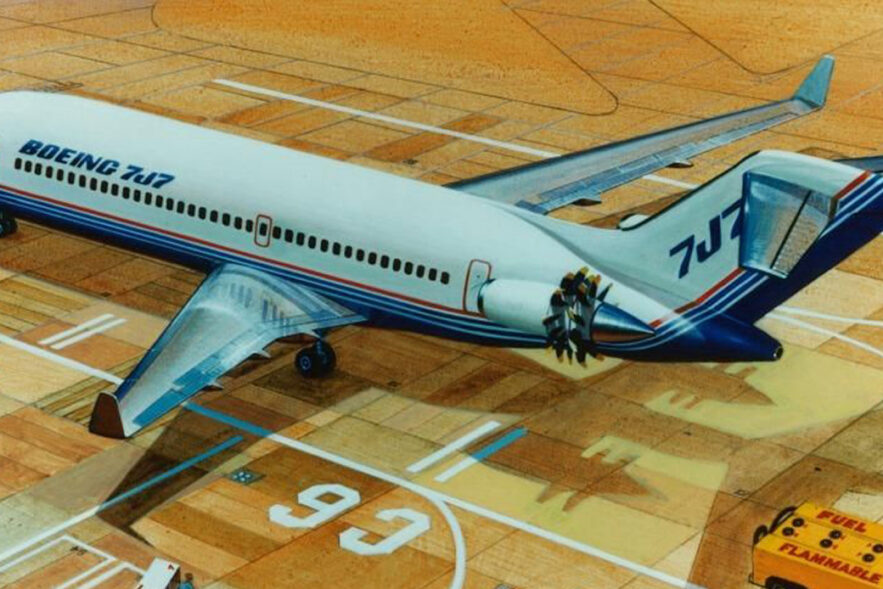
The Boeing 7J7 and 797 entries extend this methodology into the arena of aircraft procurement strategy. The 7J7, a composite-heavy twinjet developed through much of the 1980s before cancellation in 1988 due to engine technology gaps and shifting market economics, foreshadowed the development arc of the 787 Dreamliner by roughly two decades. Ostrower's analysis of the 7J7's supercritical wing and its conceptual relationship to a potential Boeing mid-market aircraft illuminates how Boeing's internal design philosophy — and its constraints — have remained structurally consistent even as the company's competitive position has shifted dramatically. For fleet planners at major carriers and large-cabin business jet operators tracking Boeing's product roadmap, understanding how prior program cancellations shaped current engineering assumptions provides context that press releases and trade show announcements do not.
Collectively, The Air Current's Historical Context section performs a function that is rare in aviation trade media: it treats regulatory documents, NTSB reports, FAA airworthiness directives, and production records as primary sources rather than background color, and it assumes readers capable of engaging with technical complexity at a professional level. For pilots, dispatchers, directors of operations, and safety officers whose decisions are directly downstream of manufacturer and regulatory choices, this archive constitutes a standing reference on how institutional pressures, engineering shortcuts, and market timelines have historically interacted — and how those patterns are likely to repeat. Subscription access is required for full articles, but the archive's publicly visible index alone reflects the breadth of TAC's analytical ambition and its value to the aviation professional community.