Daher Opens Expanded Maintenance Facility In Western France
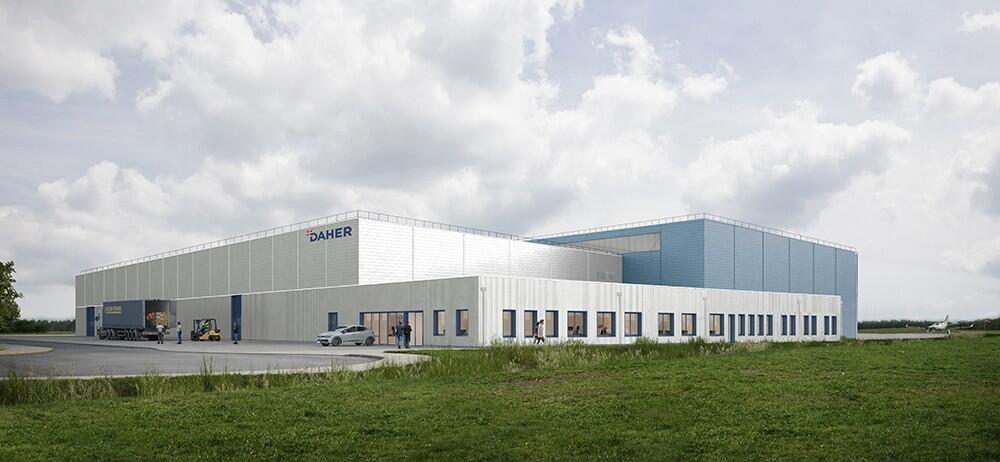
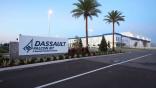
Daher Aircraft's inauguration of its expanded 6,000-ft.² facility at Jonzac-Neulles Airport in western France represents a significant investment in aftermarket support infrastructure at a time when maintenance capacity and turnaround times remain persistent pain points across general and business aviation. The new center consolidates and expands upon Daher's previous Merpins operation, located roughly 15 miles away, and now houses specialized workshops covering composite airframe repair, painting, welding, landing gear hydraulics, battery overhaul, and Level 2 non-destructive testing. With direct runway access to the airport's 1,370-meter strip, the facility is positioned to handle both routine and more complex maintenance events without requiring aircraft to be trucked or ferried to secondary locations for specialized work—a logistical advantage that translates directly into reduced aircraft-on-ground time for operators.
The breadth of aircraft types supported at Jonzac is notable and reflects Daher's layered corporate history. Beyond its current TBM turboprop and Kodiak lines, the facility services Airbus helicopters, Cirrus and Grob trainers, and legacy aircraft originally built by Socata—the French manufacturer Daher acquired in 2008-2009. This legacy support obligation is a reminder that OEMs inherit decades-long service commitments when they absorb heritage brands, and owners of older Socata-built airframes (including TB-series pistons and earlier Daher-branded aircraft) will benefit from continued parts availability and specialized repair capability rather than being orphaned as the type ages out of mainstream support networks. For flight departments and fractional operators running mixed fleets that include trainer aircraft or rotorcraft alongside fixed-wing business aircraft, having a single European hub capable of servicing multiple types simplifies vendor management and parts sourcing.
For pilots and operators, facility expansions like this one matter less for headline value and more for what they signal about supply-chain resilience in an industry still working through post-pandemic MRO staffing and parts-availability constraints. Daher's plan to grow staffing from 32 to roughly 40 employees by year-end indicates the company is betting on sustained demand growth for its support network rather than treating the expansion as a one-time capital project. Composite repair and NDT capability in particular are capacity-constrained specialties industry-wide, and regional facilities that can perform this work in-house—rather than outsourcing to third-party shops—tend to offer faster scheduling and more predictable maintenance planning for operators budgeting downtime around charter, fractional, or corporate flight schedules.
More broadly, the Jonzac opening fits into a pattern seen across OEMs including Textron Aviation, Embraer, and Bombardier, all of which have been expanding company-owned service centers rather than relying solely on independent MRO networks. This vertical integration trend gives manufacturers tighter control over parts logistics, technician training standards, and warranty work, while also creating a competitive differentiator in aircraft sales—buyers increasingly weigh the strength and geographic reach of an OEM's support network as heavily as the aircraft's performance specs. Daher's move to strengthen its European footprint, positioned explicitly by CEO Nicolas Chabbert as part of a "global support network" strategy, suggests the company is preparing for continued fleet growth of its TBM and Kodiak lines while simultaneously protecting the residual value and dispatch reliability of its legacy Socata and third-party-supported aircraft still in service.




 Read original article