Supply Chain Archives - The Air Current
Germany's decision to position itself as an active economic architect of its aerospace sector during the pandemic represented a fundamentally different philosophy of industrial policy than those adopted by its Western peers. While the United States limited its intervention to targeted payroll support for airlines, small business loans, and defense-oriented funding, and while France opted for direct cash injections and the United Kingdom maintained broad furlough schemes, Germany extended its support considerably farther across the aerospace supply chain. The German approach prioritized the preservation of industrial workforce capacity and supplier continuity rather than reactive financial relief, treating its aerospace sector as strategic national infrastructure rather than a market participant to be backstopped at the margins.
The downstream consequences of these divergent policy choices are now legible in the supply chain conditions that define aviation operations through 2026. IATA's October 2025 report on reviving the commercial aircraft supply chain identifies approximately 5,340 missing aircraft deliveries attributable in part to workforce erosion and supplier fragmentation that accelerated during the pandemic years. Nations and manufacturers whose supply chains experienced unchecked attrition of skilled labor and second- and third-tier suppliers are still working to reconstitute production capacity, with full recovery to pre-COVID output levels not projected until approximately 2028. Germany's insistence on retaining aerospace workforce continuity through the crisis years — rather than allowing furlough schemes to become effective layoffs — positioned its supplier base to resume production ramp with less friction than counterparts who absorbed deeper structural losses.
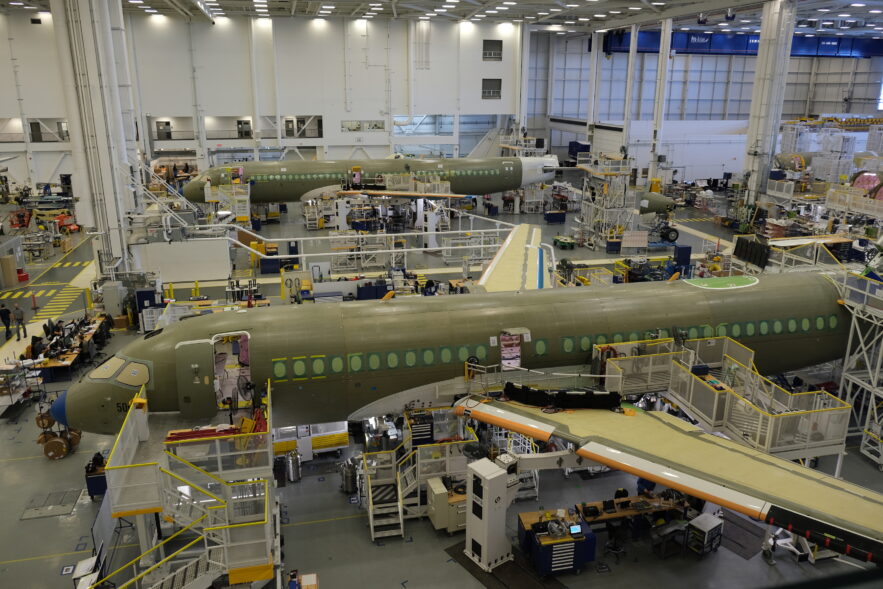
For professional pilots and aviation operators, the practical effects of these policy divergences manifest daily in fleet availability, aircraft delivery timelines, and maintenance scheduling. Airlines, charter operators, and fractional programs operating under Part 91K and Part 135 certificates have encountered extended lead times for engine overhauls, component backlogs driven by Pratt & Whitney PW1000G series shortfalls, and delivery delays on A320neo family and narrowbody aircraft that compress network planning horizons. Business aviation operators competing for maintenance slots and MRO capacity face the same resource constraints as commercial carriers, as skilled technician pools and raw material access remain shared and finite. The cascading effect elevates aircraft leasing rates, increases pressure on aging fleets pressed into extended service, and compresses the operational margins that small and mid-size operators depend upon.
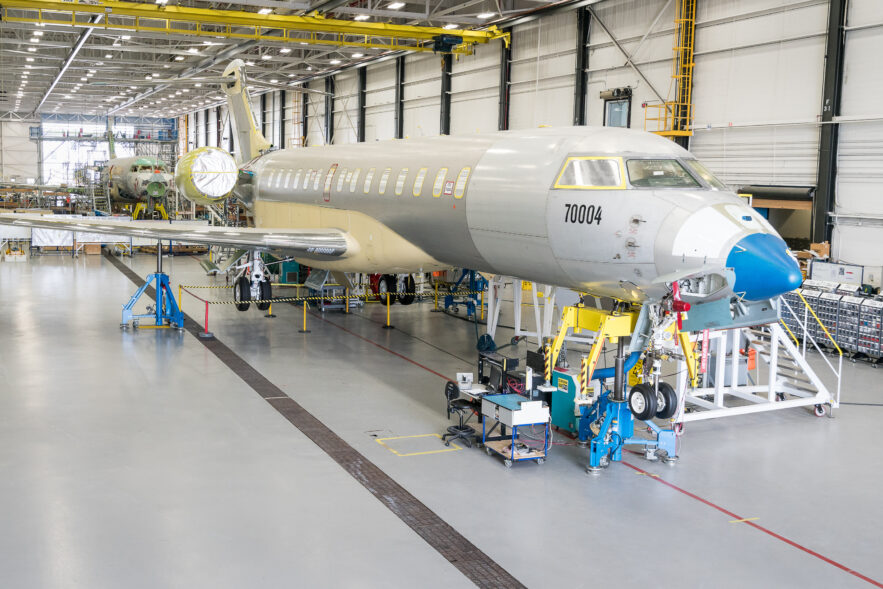
At the broadest level, Germany's pandemic-era industrial posture reflects a structural argument about where aerospace value is captured and how supply chain resilience is built — an argument that IATA and industry bodies are now making explicitly. The current environment, characterized by overlapping geopolitical disruptions diverting materials toward military production, labor shortages across avionics and airframe manufacturing disciplines, and OEM production ramps that lag demand by years, validates the case for deliberate state-level supply chain stewardship. Boeing's ongoing stabilization of its 737 MAX production lines, Airbus's prioritization trade-offs between the A350 and A220 programs, and COMAC's renewed search for Western suppliers for the C929 all reflect a global aerospace economy in which production fragility is the dominant operational constraint. The nations and companies that treated workforce and supplier continuity as strategic assets during the crisis years are better positioned to capitalize on the demand environment; those that did not are absorbing the costs in delayed deliveries and degraded operational capacity that working pilots and operators navigate each day.