Vietnam Airlines Just Flew The World’s 2nd Longest A350 Flight Ever: Here’s Why
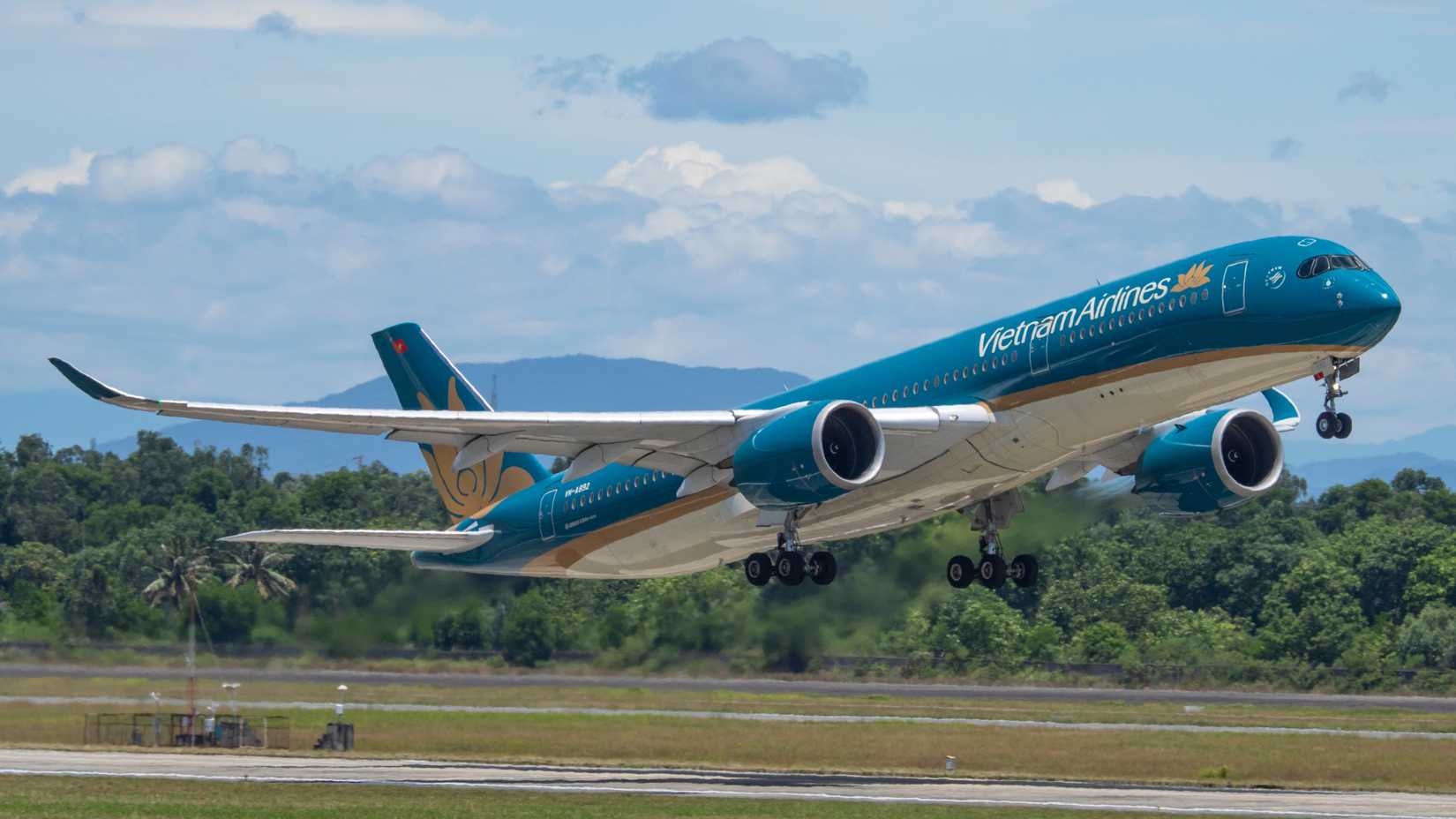
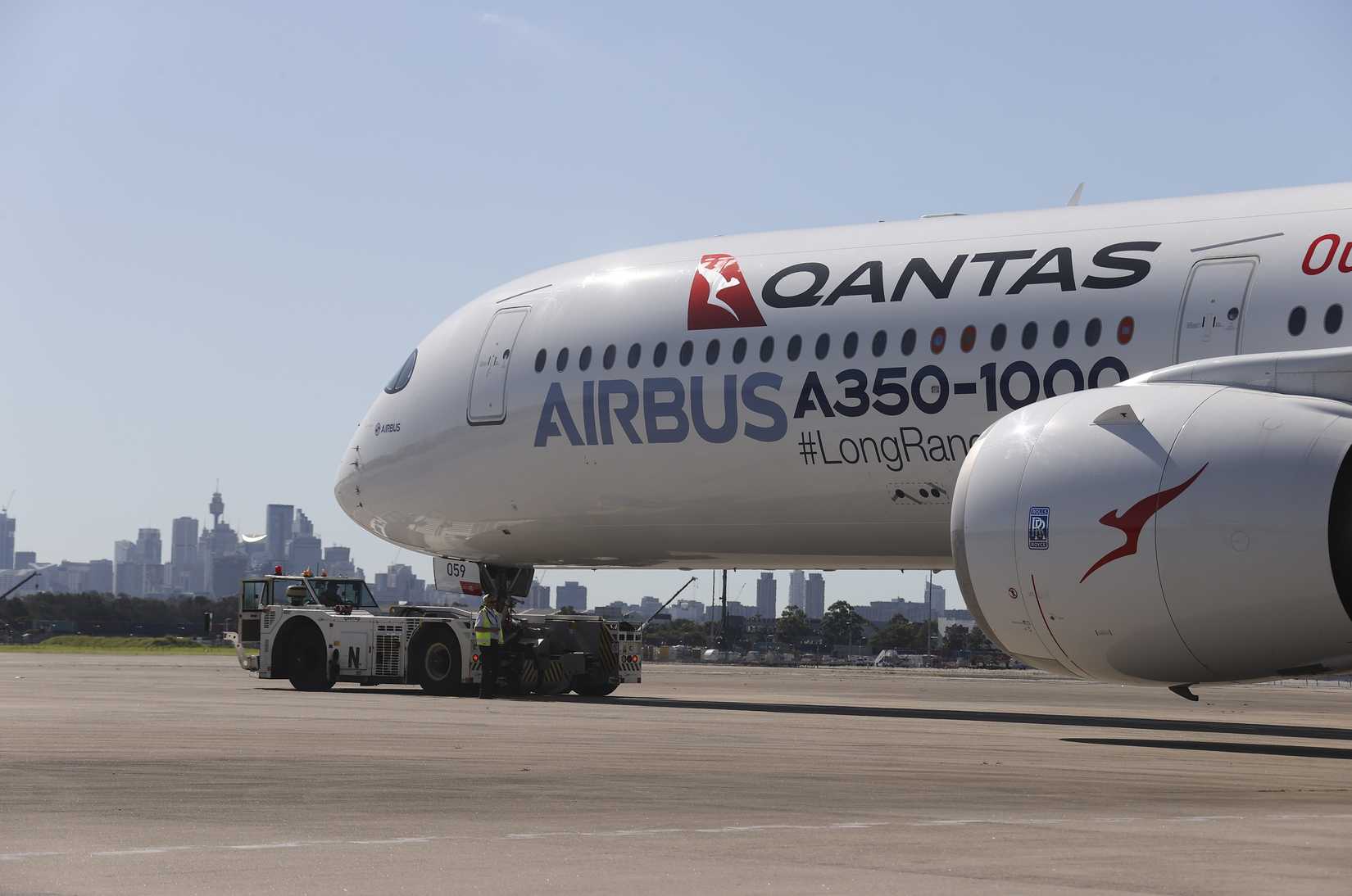
Vietnam Airlines' return positioning flight from Caracas to Hanoi has secured its place as the second-longest flight ever operated by an Airbus A350, covering roughly 10,190 miles in more than 18 hours nonstop. The flight was not a scheduled commercial service but the tail end of a humanitarian relief operation, in which an A350-900 delivered rescue personnel, search dogs, and emergency supplies to Venezuela following a major earthquake, then repositioned home without passengers. The distance exceeds Singapore Airlines' Singapore-New York A350-900ULR service, currently the longest scheduled commercial route in the world, and trails only a 2020 German Air Force A350 mission for the all-time type record. That ranking is expected to shift again once Qantas begins Project Sunrise commercial flights on the A350-1000, which will fly nonstop from Sydney to London and New York.
For working pilots, particularly those in long-haul international operations, this flight is a useful real-world data point on how published range figures interact with actual mission planning. Airbus lists the A350-900's nominal maximum range at roughly 8,900 miles, yet this mission exceeded that by well over 1,000 miles. The gap illustrates how payload, winds, routing flexibility, and fuel planning can extend effective range well beyond marketing specifications when the mission profile allows for it—in this case, a return leg with reduced payload after cargo and personnel were offloaded in Caracas, likely combined with favorable winds and an optimized flight level profile. Crews and dispatchers operating ETOPS and ultra-long-haul sectors already live this reality daily, but the extreme case here underscores the margins built into modern widebody performance data and the operational judgment required to safely exploit them on non-standard missions.
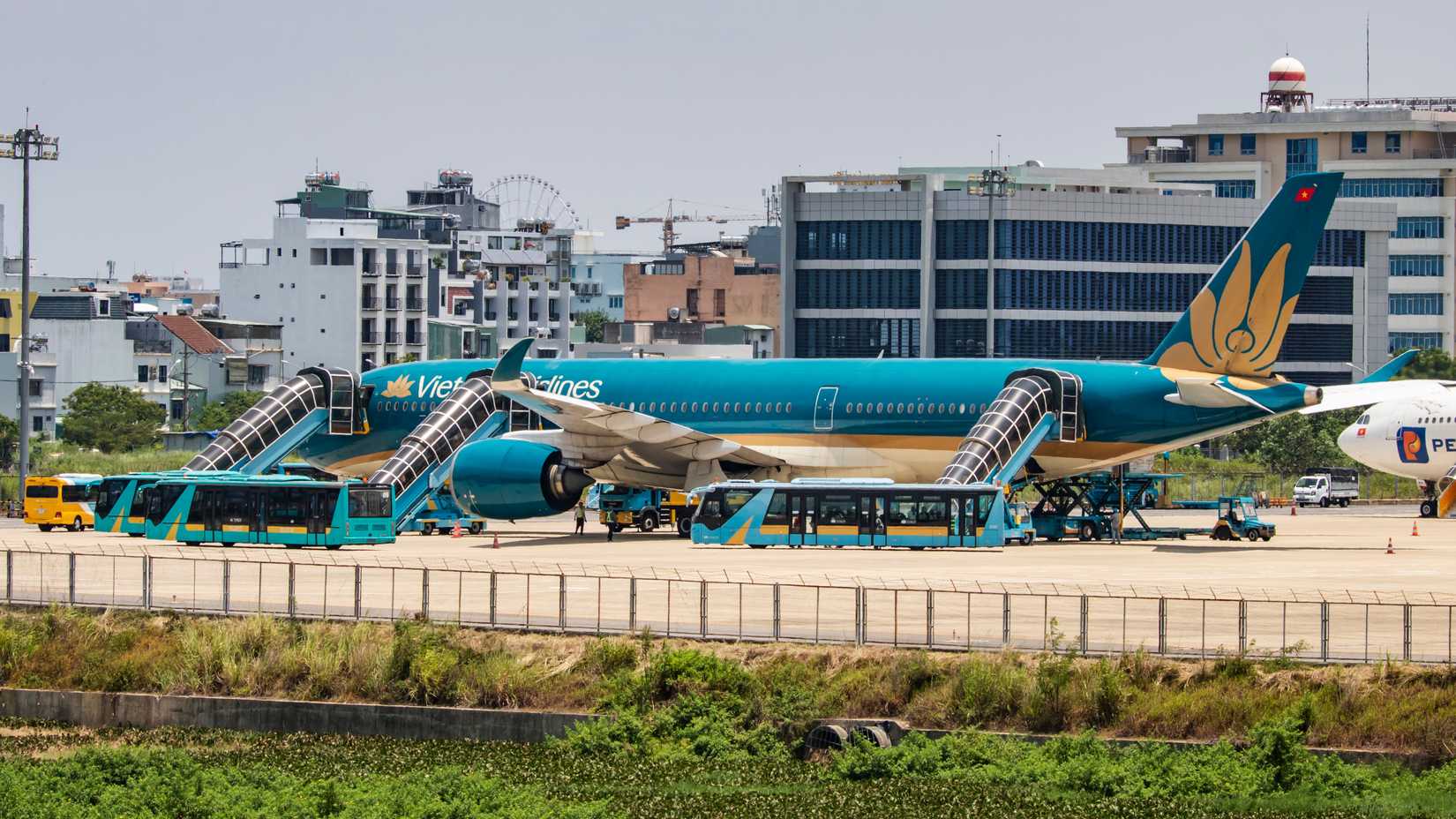
The broader significance lies in what the mission reveals about how airlines and governments increasingly lean on commercial long-haul widebodies for humanitarian and diplomatic taskings outside normal route networks. Vietnam Airlines does not otherwise serve South America, and this was an ad hoc deployment requiring rapid coordination across flight operations, engineering, ground handling, and government agencies to move rescue teams and dozens of tons of relief cargo across two continents on short notice, including a technical fuel stop in Paris. This capability—flying an unscheduled intercontinental mission with a standard passenger-configured aircraft—reflects a broader trend of national carriers being called upon as quasi-strategic assets during crises, a role traditionally associated with military airlift but increasingly filled by commercial fleets due to their range, cargo flexibility, and readiness.
Finally, the episode reinforces where the A350 program sits at the ten-year mark of its service life. With Qantas's Project Sunrise poised to formalize ultra-long-range A350-1000 operations on Sydney-London and Sydney-New York, and Singapore Airlines already operating the type at extreme range on its own ULR routes, the A350 is emerging as the airframe of choice for the industry's most extreme distance missions. Flight planners, fatigue risk management specialists, and crew scheduling teams across the industry will continue to watch how these record-setting sectors—whether commercial or humanitarian—inform evolving standards for ultra-long-haul crew complements, rest facilities, and regulatory approval for flights pushing past 17-18 hours in duration.









 Read original article