Airlines Archives - The Air Current
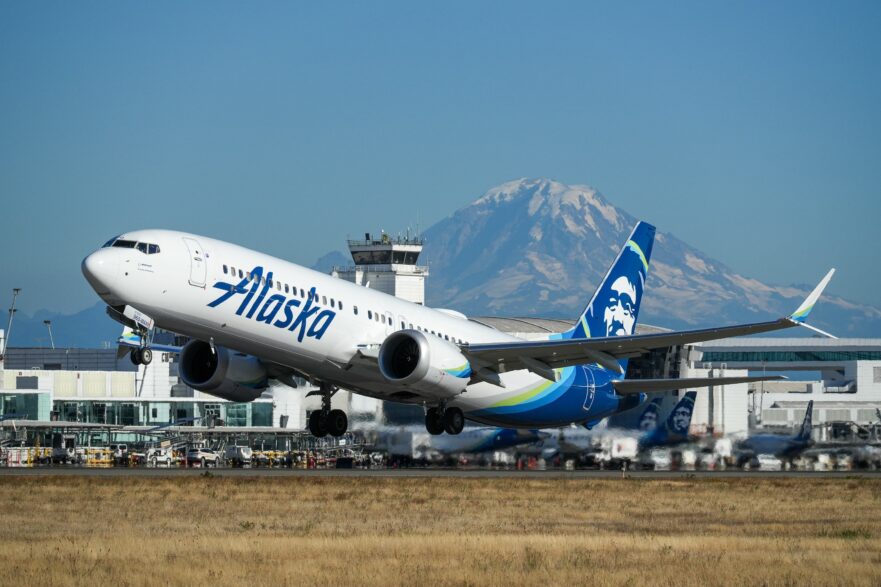
Alaska Airlines reached a significant operational milestone in late 2023 by completing its transition to an all-Boeing fleet, closing a chapter that began with the carrier's 2016 acquisition of Virgin America. That deal brought Airbus A319, A320, and A321 aircraft into a fleet previously built entirely around Boeing 737 variants, creating a dual-fleet operation that imposed persistent costs in crew training, maintenance infrastructure, simulator access, and parts inventory. The retirement or disposition of the final Airbus airframes — including A321neos that were among the newer assets inherited from Virgin America — marked the end of roughly seven years of operating two incompatible narrowbody platforms simultaneously, a period that coincided with the pandemic collapse in demand and the broader industry recovery that followed.
For operators and aviation professionals, the fleet standardization story carries direct operational weight. Mixed fleets impose compounding inefficiencies on airlines of any size: type-rating separation limits scheduling flexibility, maintenance technicians must be trained and certified across separate airframe and powerplant systems, and simulator capacity must be contracted or owned for each type. Alaska's path through this was complicated by the fact that the Airbus aircraft it acquired were not legacy hardware but modern, fuel-efficient A320neo-family jets — meaning the airline was retiring relatively young aircraft for strategic rather than technical reasons. The all-Boeing outcome simplifies crew pairing, reduces training pipeline complexity, and allows maintenance purchasing to concentrate around a single vendor and parts ecosystem, advantages that compound over time especially in irregular operations and recovery from disruption.
The framing of "ventures beyond the recovery" in the article's title signals that Alaska was positioning itself not merely as a carrier that survived the pandemic and absorbed an acquisition, but as one entering an active strategic growth phase. The timing is notable: Alaska would announce its intended acquisition of Hawaiian Airlines in December 2023, just weeks after this article's publication. The all-Boeing standardization provides a cleaner foundation for integration planning — Hawaiian operates a mix of Airbus A321neos on mainland routes and Boeing 787s on long-haul international flying, meaning any combined fleet strategy would involve deliberate decisions about which types to expand, retain, or eventually phase. The research context surrounding this article references Alaska embracing a "proudly all airplanes" strategy in the Hawaiian integration period, suggesting the carrier is approaching its next fleet chapter with a more pluralistic posture, even after the effort invested in narrowbody standardization.
The broader industry context places Alaska's move within a larger pattern of post-pandemic fleet rationalization across U.S. carriers. The pandemic forced airlines to accelerate retirements, simplify operations, and rethink network structures — processes that in several cases produced cleaner, more standardized fleets than would have emerged under normal demand conditions. Alaska's completion of Boeing standardization at the narrowbody level mirrors decisions made across the industry to reduce type diversity, though other major carriers continue to manage multi-OEM fleets as a hedge against delivery delays and to maintain negotiating leverage with Boeing and Airbus. For pilots specifically, Alaska's all-Boeing status means a 737-typed pilot at the carrier operates within a coherent type family, and any expansion into 737 MAX variants continues to build on existing infrastructure rather than requiring parallel qualification tracks. That operational clarity — increasingly rare in an era of manufacturer delivery delays, certification uncertainty, and fleet planning volatility — represents a tangible competitive and workforce management advantage.