How Many Miles Per Gallon Does An Airbus A380 Get Per Passenger Compared To An A320?
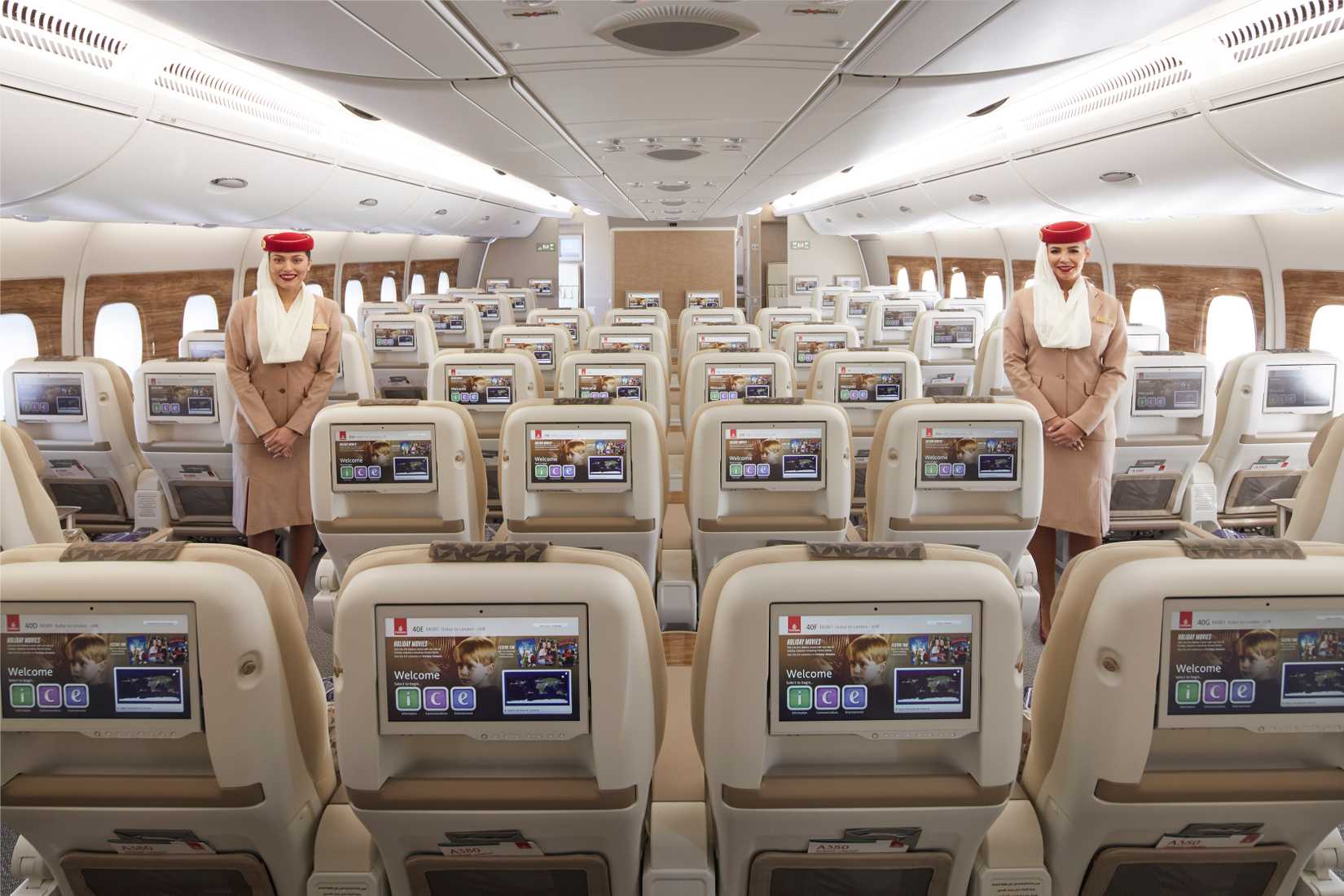
The comparison between the Airbus A380 and A320's per-passenger fuel efficiency underscores a fundamental economic reality that has reshaped fleet planning across the airline industry over the past decade. While the A380 burns roughly six times the fuel of an A320 on an hourly basis—4,600 gallons versus 750-676 gallons depending on engine variant—the more meaningful metric for operators is passenger-miles per gallon. On that basis, the A320 family delivers 117-138 passenger-miles per gallon depending on configuration and engine type, while even a densely configured A380 tops out around 75. This roughly 50-80% efficiency advantage for the narrowbody, achieved despite carrying a fraction of the passengers, explains why the twin-engine, high-frequency model has decisively won out over four-engine superjumbos in nearly every market segment except a handful of slot-constrained, high-demand trunk routes.
For working pilots, especially those flying for legacy carriers or considering type transitions, this data helps explain the trajectory of fleet decisions made over the last 10-15 years. Airbus ended A380 production in 2021 after building only 251 units, and Boeing's 747 passenger line met a similar fate, while A320neo and 737 MAX orders have stretched into the tens of thousands. Pilots who came up through the ranks flying A380s at carriers like Emirates, Singapore Airlines, or Qantas occupy an increasingly narrow professional niche—one that offers unique long-haul, high-capacity flying experience but limited career mobility compared to the far more common narrowbody track. Understanding the economics behind these fleet choices gives crews better context for why certain routes get four-engine widebodies while most short-and-medium-haul flying, and increasingly long-haul flying too, has shifted to twin-engine aircraft like the A321XLR and 787.
The article's discussion of load factor sensitivity is equally relevant to line pilots and dispatchers who deal daily with weight-and-balance, fuel planning, and schedule economics. Because fuel burn is fixed regardless of how many seats are filled, a drop from 85% to 65% load factor can erode an A380's already-thin efficiency margin dramatically, while an A320 operating at similar load factor swings suffers proportionally less impact given its lower fixed fuel burn. This dynamic explains why airlines have been aggressive about right-sizing capacity, deploying smaller, more frequent widebody and narrowbody aircraft rather than committing to superjumbo capacity that requires consistently high load factors to remain viable. Emirates' success with the A380 is often cited as an outlier precisely because its hub-and-spoke Dubai model and premium demand sustain load factors that most other operators cannot replicate.
More broadly, this efficiency gap reflects the industry-wide pivot toward smaller-gauge, higher-frequency, point-to-point flying enabled by extended-range narrowbodies and efficient twin-engine widebodies. For business aviation and Part 91/135 operators, the underlying physics are the same even if the scale differs: fuel burn per occupant, not total fuel burn, is the metric that drives operating cost and environmental scrutiny. As carbon accounting and sustainability reporting become more prominent across commercial and corporate aviation, expect passenger-mile-per-gallon and per-occupant emissions metrics to feature more heavily in aircraft selection, route planning, and even charter pricing discussions industry-wide.











 Read original article