Frontier Airlines To Shrink Its Fleet By Selling 11 Airbus A321neos To Avolon
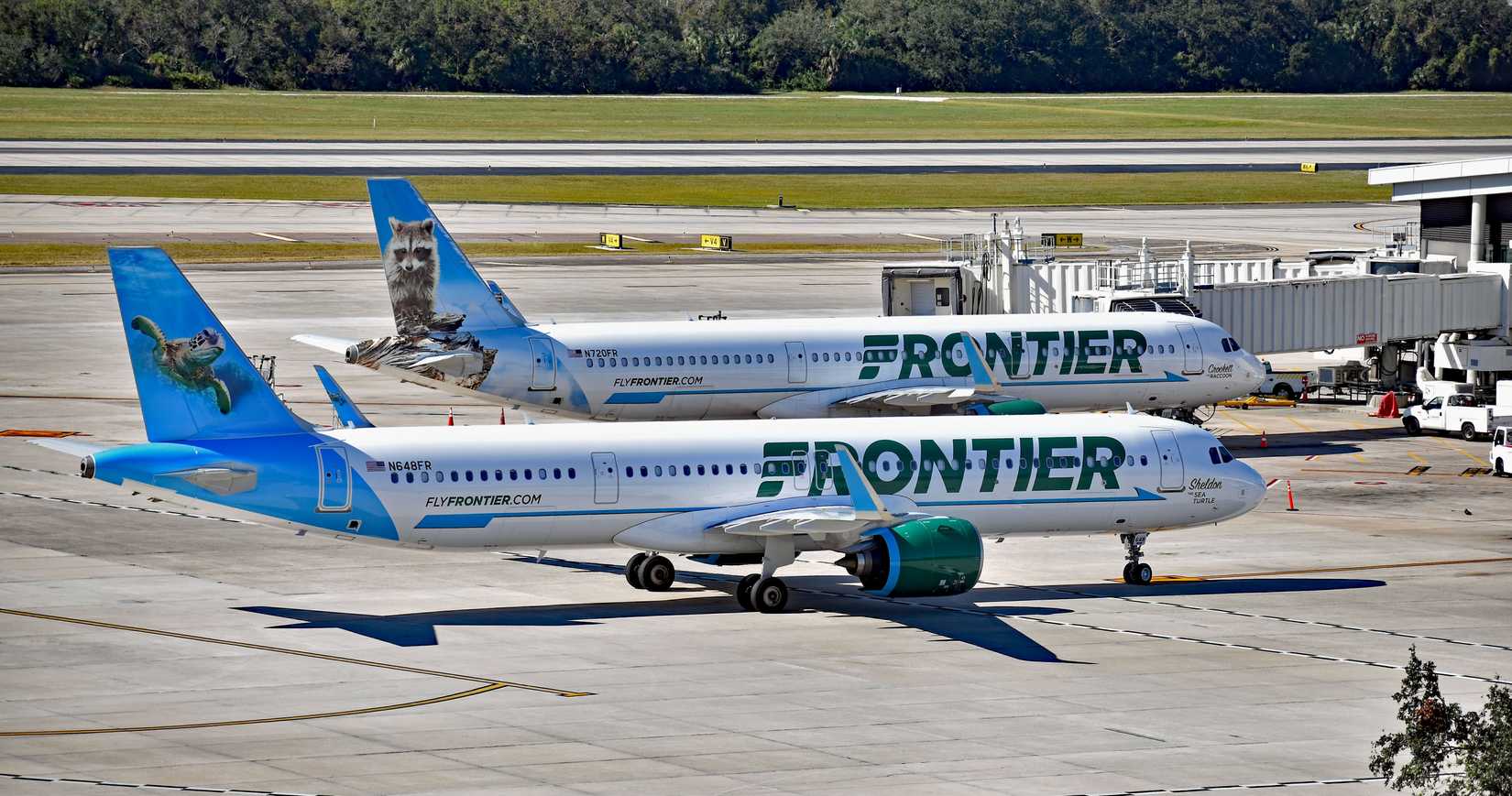
Frontier Airlines has struck a deal to transfer 11 Airbus A321neo delivery positions from its own manufacturer orderbook to Avolon, the Dublin-based aircraft lessor, in a transaction approved by Avolon's parent company, Bohai Leasing. Importantly, this is not a fleet reduction in the operational sense—no aircraft currently in Frontier's fleet are being removed or parked. Rather, it is a reallocation of future factory delivery slots that were originally part of the sweeping A320neo family order Indigo Partners placed with Airbus in 2017. Frontier retains a substantial remaining orderbook and continues its strategy of operating an all-Airbus, next-generation narrowbody fleet, but it has opted to monetize a slice of its production backlog rather than take direct delivery of those specific airframes.
For working pilots and aviation operators, this kind of sale-leaseback or delivery-slot transfer is a useful window into how airlines actually manage capital commitments in a supply-constrained manufacturing environment. Airbus and Boeing both continue to struggle with multi-year production backlogs, meaning a confirmed near-term delivery slot has real market value independent of the aircraft itself. Ultra-low-cost carriers like Frontier operate on razor-thin margins where capital expenditure timing directly affects unit costs, route expansion pace, and hiring plans. By offloading 11 A321neo positions to Avolon, Frontier gains balance-sheet flexibility—deferring or avoiding capex—while Avolon secures scarce, in-demand delivery slots it can lease to other carriers who need capacity sooner than Airbus's backlog would otherwise allow. For flight crews and schedulers, this matters because it can subtly reshape hiring timelines, fleet growth projections, and network expansion plans that were built around a specific delivery cadence.
This transaction also illustrates the growing role lessors play as intermediaries in fleet planning across the industry, not just as financiers of aircraft after delivery but as active participants in securing production capacity itself. Avolon strengthening its A321neo position reflects the type's rising popularity among airlines seeking a larger-gauge, longer-range single-aisle option that improves seat-mile economics compared to older narrowbodies. Pilots transitioning between carriers or eyeing type-rating opportunities should note that the A321neo's expanding presence across both mainline and leased fleets signals sustained demand for qualified crews on the type, even as individual airline orderbooks shift between direct-purchase and leased delivery structures.
Broadly, this deal fits a pattern increasingly common across commercial aviation: airlines treating orderbook positions as tradable assets rather than fixed commitments, particularly amid Airbus and Boeing production constraints that stretch delivery timelines years into the future. Frontier's move signals prudent financial management rather than a retreat from fleet modernization, and it underscores how leasing companies are becoming more deeply embedded in the primary aircraft-acquisition pipeline, not just the secondary market. For operators across commercial, business, and general aviation, the takeaway is that production bottlenecks are reshaping traditional buyer-manufacturer relationships, creating new avenues—like delivery-slot transfers—for carriers to manage growth, liquidity, and fleet timing without abandoning long-term modernization strategies.









 Read original article