How Large-Cabin Private Jets Quietly Took Over 65% Of The High-End Charter Market In 2026
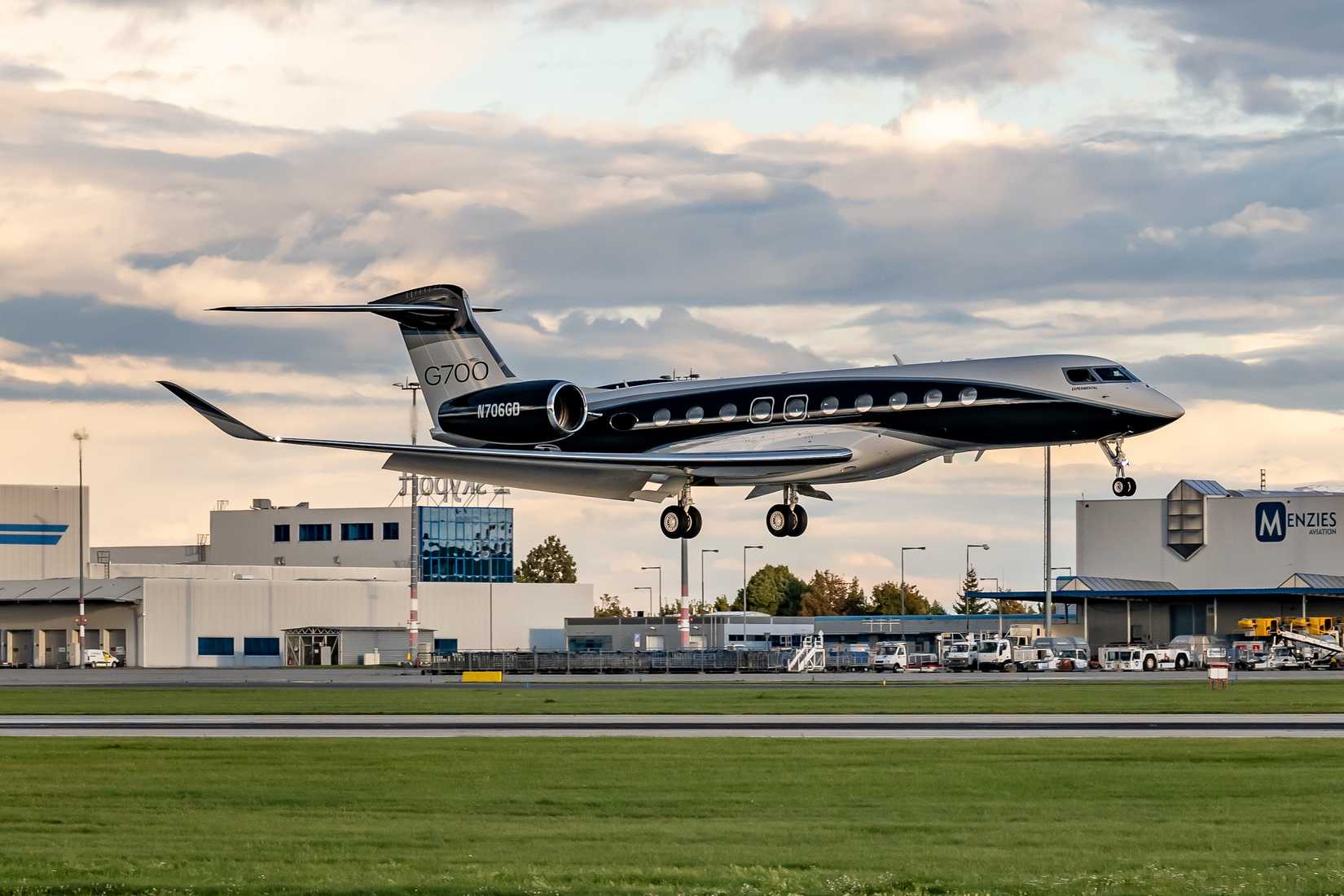
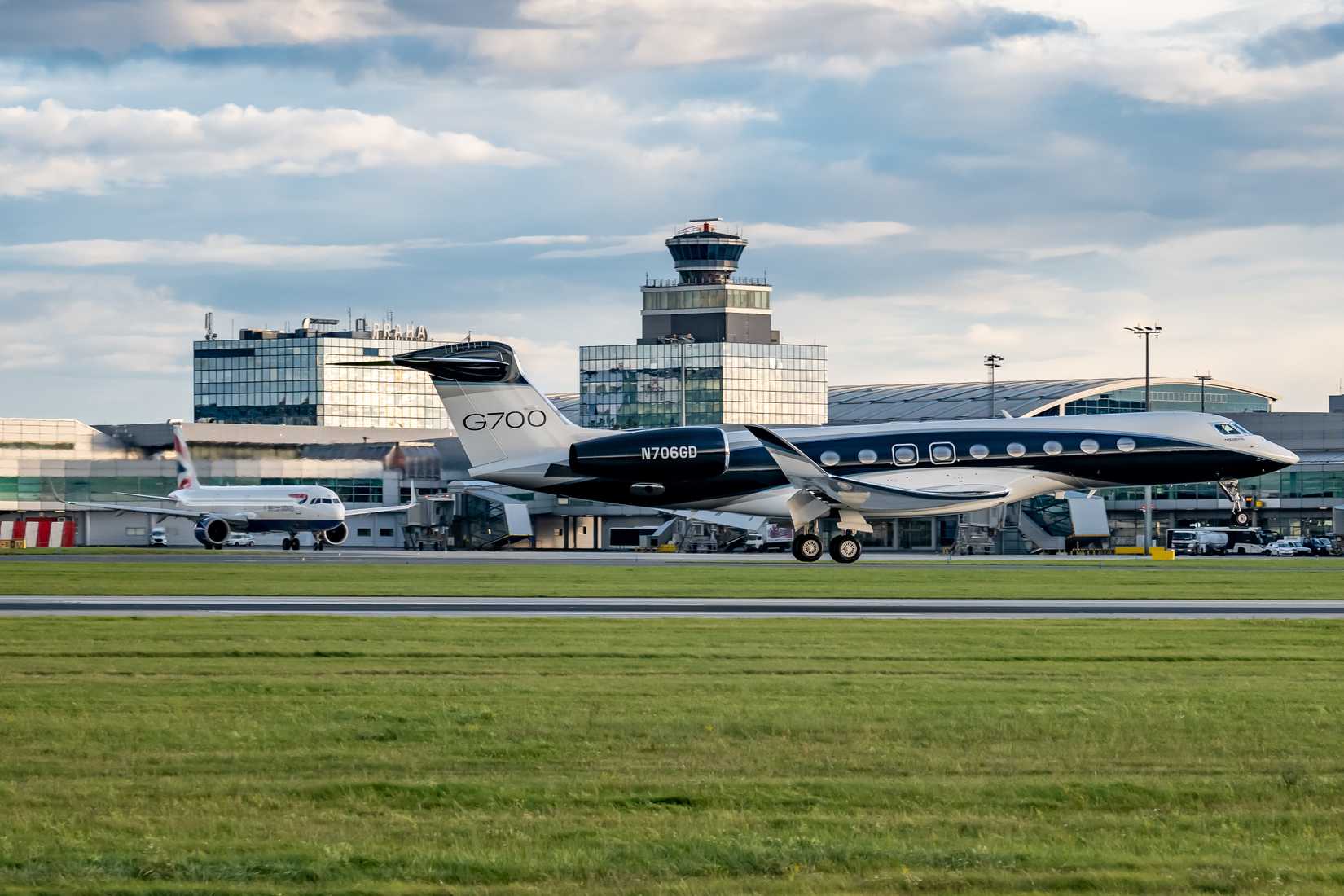
Large-cabin jets like the Gulfstream G700 and G800 have moved from being simply the priciest options in charter aviation to becoming the default choice for a majority of high-end bookings, with industry data now placing these aircraft at more than 65% of the upper-tier charter market. The shift is being driven less by cabin amenities or headline speed and more by per-seat economics on long-haul missions. At hourly rates of roughly $15,000-$18,000 for the G700 and $17,000-$20,000 for the G800, these jets look expensive in isolation, but when a transatlantic or intercontinental sector is filled with 12, 16, or a full complement of 19 passengers, the per-seat cost falls dramatically—from over $14,000 per passenger with eight aboard to just over $6,000 at capacity on a New York-London example. That math is reshaping how charter brokers and operators pitch aircraft selection, turning the conversation from hourly rate comparisons to mission-cost-per-seat analysis.
For working pilots, this trend has direct operational implications. Crews flying large-cabin, ultra-long-range aircraft are increasingly tasked with group charters rather than single-executive or small-family trips, which changes weight-and-balance planning, catering logistics, cabin service staffing, and even crew rest considerations on longer sectors. Flight departments and charter operators managing mixed fleets will likely see demand concentrate on their G700/G800-class aircraft while midsize and super-midsize jets face pressure to justify their economics on group missions, particularly transatlantic and Middle East-Europe routings where fuel stops or split groups erode the apparent savings of a smaller cabin. Pilots type-rated on these flagship Gulfstreams may also see rising utilization rates as operators lean harder on these tail numbers to capture group charter revenue, with corresponding attention to crew scheduling, duty-time management, and maintenance-driven availability.
This development also reflects broader patterns across business aviation: consolidation of premium demand into fewer, larger, more capable platforms rather than a proliferation of smaller niche aircraft. Charter brokers and fractional providers have been recalibrating fleet mix for several years toward ultra-long-range large-cabin jets, and this per-seat cost dynamic gives that shift a clearer economic rationale beyond simple range or comfort arguments. It parallels trends in commercial aviation where airlines have favored larger, more efficient widebodies on long-haul trunk routes to spread costs across more seats—private aviation customers, particularly corporate flight departments, sports organizations, and family offices, appear to be applying the same logic when chartering rather than owning.
Finally, this trend carries downstream effects for OEMs, fractional providers, and charter management companies. Gulfstream's G700 and G800 backlog and delivery cadence will likely continue benefiting from charter-driven demand in addition to traditional corporate and private ownership orders, reinforcing large-cabin aircraft as the growth segment of the business jet market. Operators and management companies that can offer flexible access to these ultra-long-range, high-capacity jets—whether through charter, fractional ownership, or jet card programs—stand to capture a growing share of group and executive travel that might have previously been split across multiple smaller aircraft or routed through commercial first/business class. For pilots and flight departments planning fleet transitions or type-rating investments, the data suggests continued strong demand signals for large-cabin, long-range equipment well into the back half of the decade.







 Read original article