Aircraft Development Archives - The Air Current
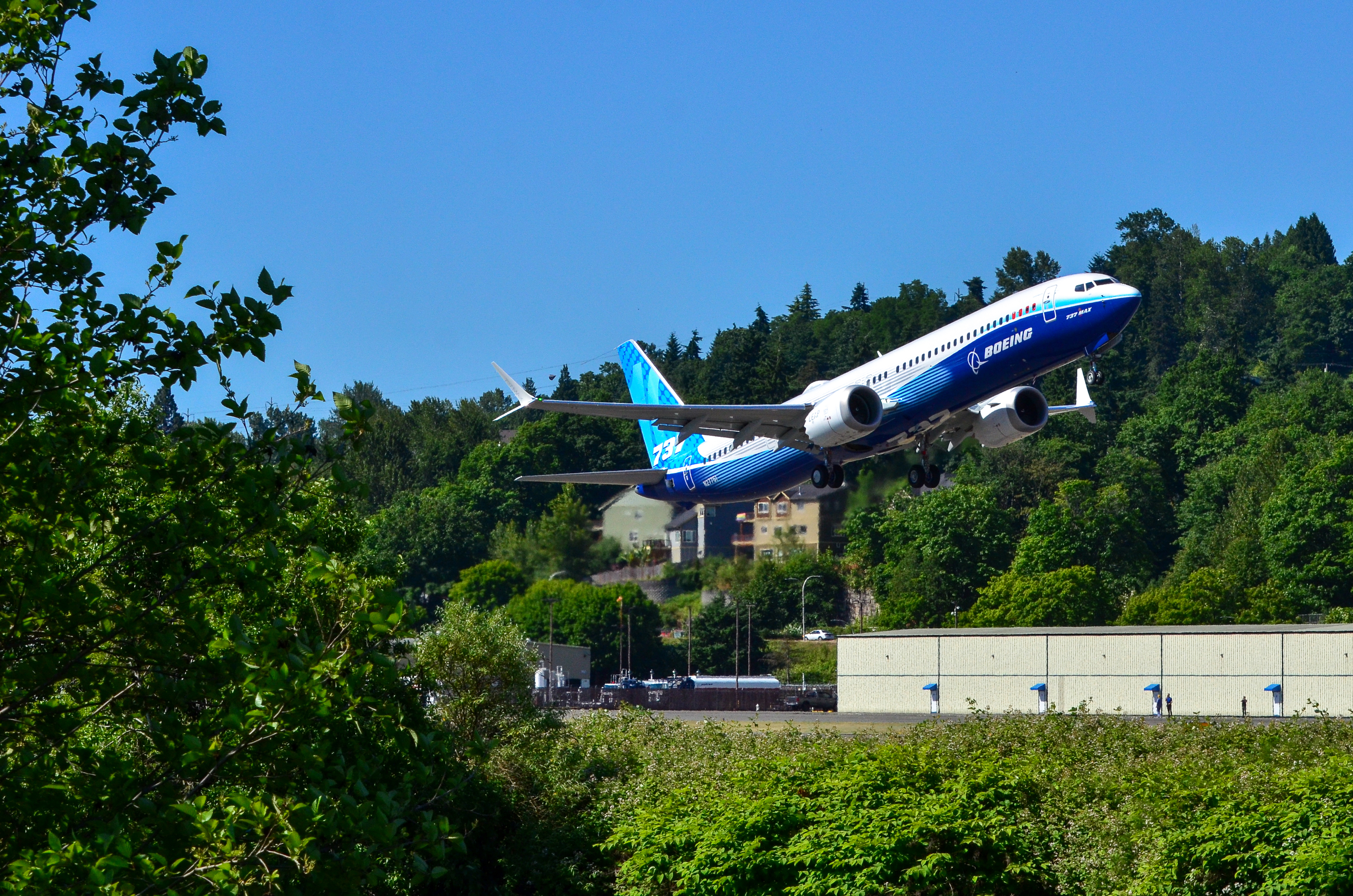
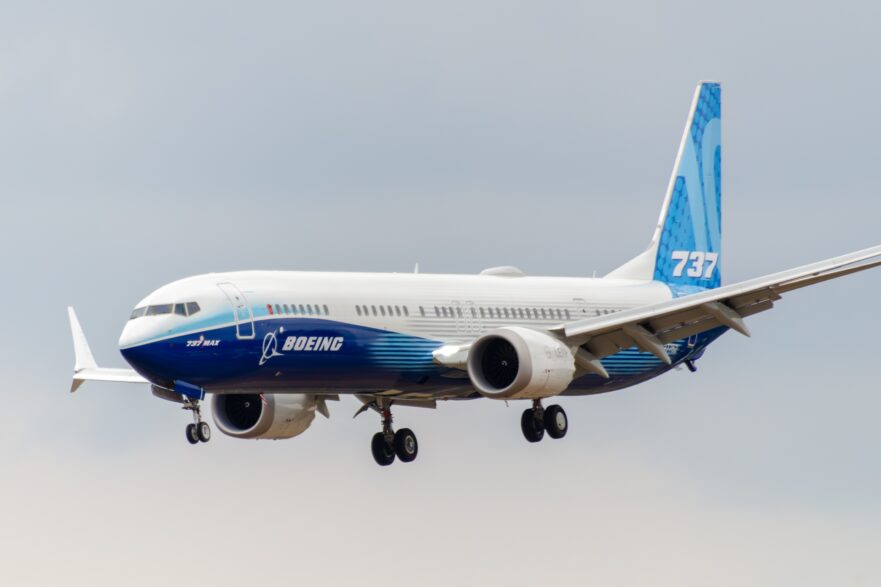
The Air Current's Aircraft Development archives spanning 2021 through early 2026 document a commercial aviation industry still working through the structural fractures exposed by the pandemic, with Boeing's twin certification crises, Airbus supply chain tensions, and a maturing eVTOL sector collectively reshaping the landscape for operators at every level. Boeing's 737 MAX 7 and MAX 10 remain the most consequential unresolved certification stories for airline and charter operators, with inlet icing defects on CFM LEAP-1B engines pushing resolution timelines deep into 2026. FAA required multi-phase fix validation before advancing to the next inspection authorization phase, and first post-fix flight tests were only airborne in early 2026 — a timeline that forces fleet planners and scheduling departments at MAX operators to continue managing around variant-specific restrictions. Simultaneously, Boeing's 737 production ramp targeting 38 aircraft per month has been undermined by wing component shortages, a fragility that suppliers and lessors are tracking as a leading indicator of near-term delivery reliability.
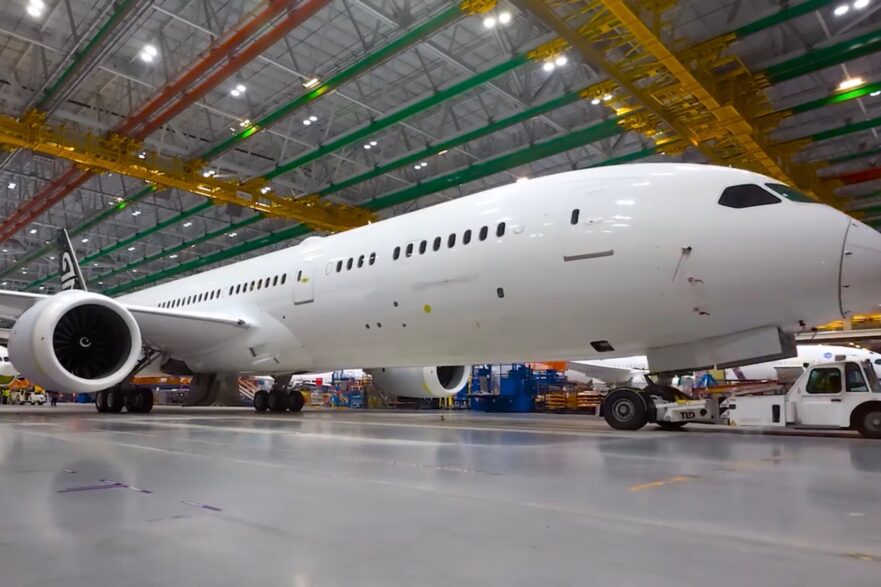
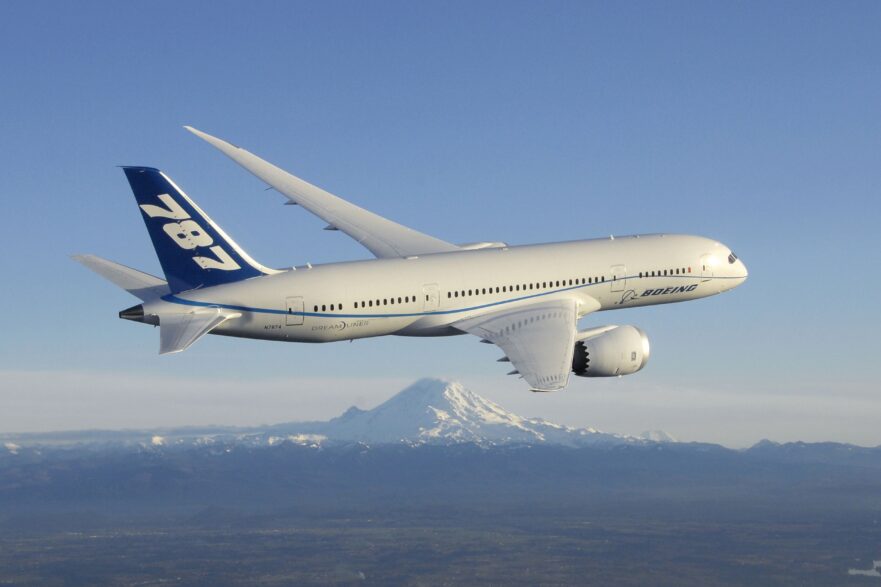
The 777X program represents a separate but equally significant concern for long-haul operators and the widebody leasing market. FAA approval of Phase 4 Type Inspection Authorization trials, combined with a major Emirates order announced in November 2025 that also funded a feasibility study for the proposed 777-10 stretch, signals that Boeing is maintaining commercial momentum on the program even as certification timelines extend. The retirement of the final 787 flight test aircraft after 16 years of service and the delivery of the last 777-300ER mark genuine generational transitions in the widebody fleet, relevant to operators and MRO providers who must now assess the long-term parts and support ecosystem for legacy variants while their successors remain grounded in certification limbo. Pilots operating current-generation 777 variants should expect their fleet mix to remain stable longer than originally projected, with meaningful implications for type rating scarcity and recurrent training supply.
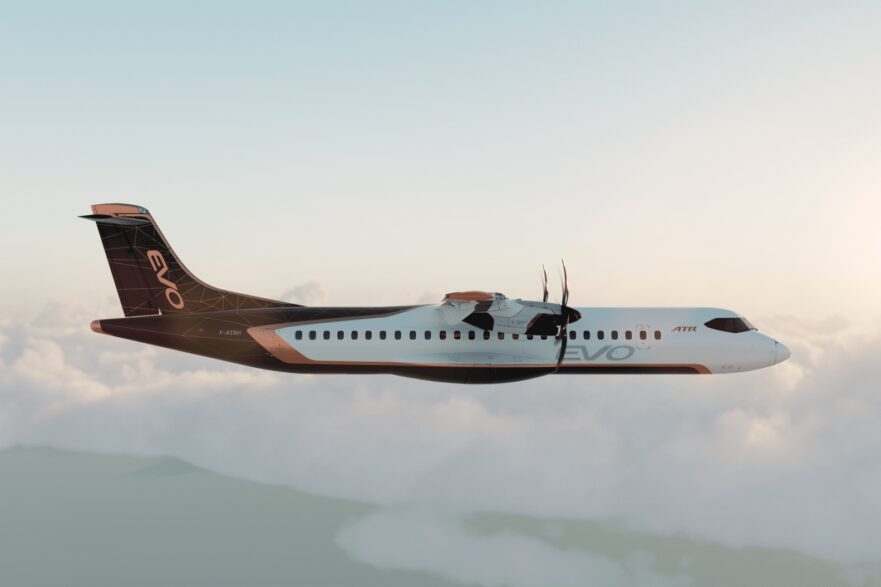
On the narrowbody and regional side, the A220-500 launch decision remained contingent on profitability benchmarks as of late 2025, with Airbus leadership emphasizing deliberate pacing over aggressive commitments — a posture that leaves regional operators and short-to-medium-haul airline planners without a firm replacement pathway for aging E-jet and older A320-family equipment in certain seat-count categories. Pratt & Whitney's GTF serviceability crisis continued to generate friction between Airbus and airline customers through early 2026, with engine prioritization decisions directly affecting grounded fleet counts and available capacity at affected carriers. SkyWest's E175 activity and ongoing turboprop program evaluations at the regional level reflect continued uncertainty about what the next-generation regional platform will be, a question with direct bearing on pilot hiring pipelines and scope clause negotiations at the major carrier level.
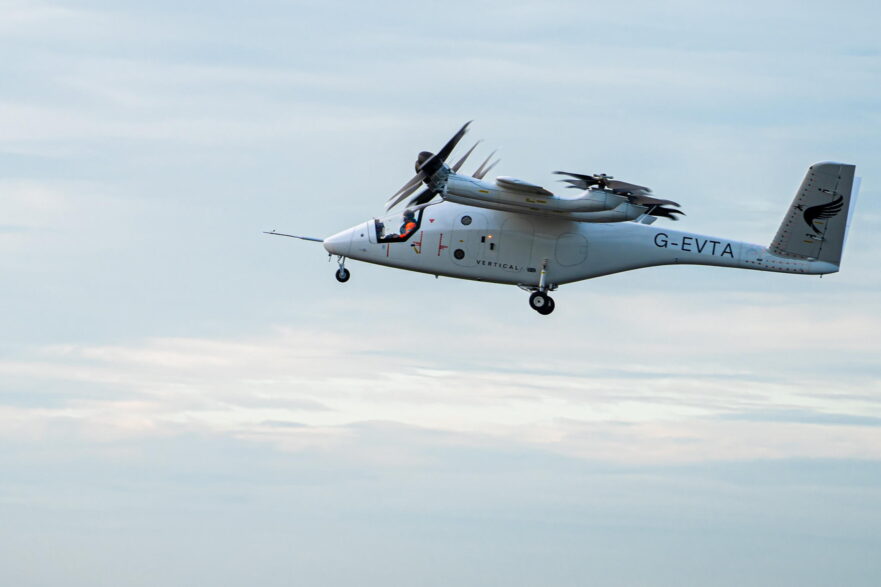
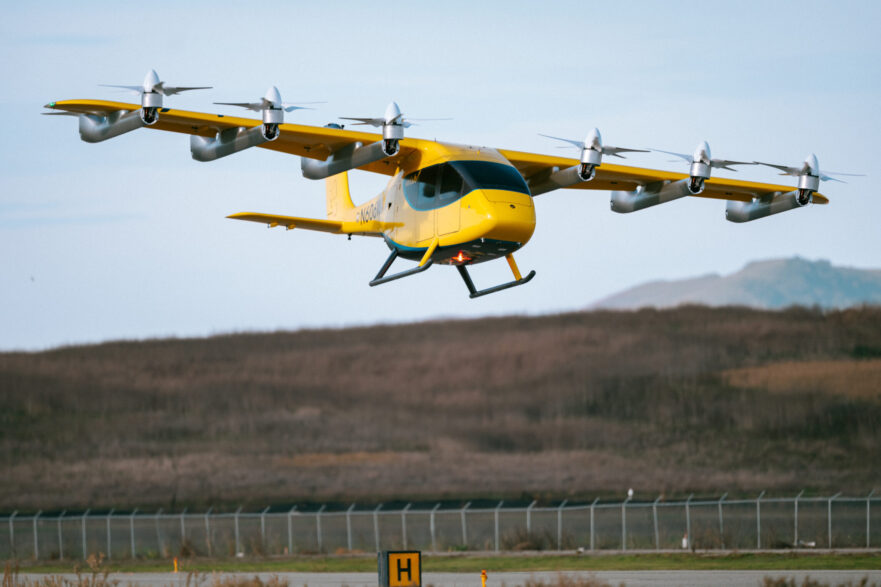
The eVTOL and advanced air mobility segment documented across The Air Current's archives has entered a distinct maturation phase, with crewed transition flights by Joby Aviation in 2025, Vertical Aerospace achieving a piloted transition milestone, and Honda disclosing its own eVTOL development program in November 2025 adding a well-capitalized incumbent to a field previously dominated by startups. Archer Aviation's finalization of a four-blade lifting propeller configuration and Beta Technologies' preparation for an IPO reflect divergent monetization strategies among developers — some pursuing rapid capital markets validation, others engineering refinement. For professional pilots, the practical implication is that type-specific training infrastructure, operational approval frameworks, and insurance underwriting standards for these platforms remain years away from standardization, but the hiring and certification groundwork is actively being laid at the FAA. The DOT audit on eVTOL oversight and the Air Force's delayed Agility Prime fielding timeline both underscore that regulatory capacity, not engineering achievement, is now the primary gating factor for commercial operations.
Taken together, the five-year arc of The Air Current's aircraft development coverage reveals an industry where the traditional 7-to-10-year new type development cycle has been compressed in some segments and dramatically extended in others, driven by concurrent pressures from post-pandemic supply chain fragility, increasingly complex FAA certification requirements, and the capitalization demands of novel propulsion programs. For Part 91, 91K, and 135 operators in the business aviation space, the near-term practical consequence is a prolonged scarcity of new large-cabin and long-range platforms, as Boeing's widebody delays and Airbus's measured A220 expansion leave the preowned market structurally tight. Corporate flight departments and charter operators accustomed to managing aircraft on predictable upgrade cycles must now treat fleet planning as a longer-horizon, higher-uncertainty exercise, with the eVTOL urban shuttle segment likely to intersect first-and-last-mile ground transportation economics before it meaningfully competes with traditional business aviation missions.