America 250 Takes Flight: The Stunning Airline Liveries Celebrating The USA’s 250th Birthday
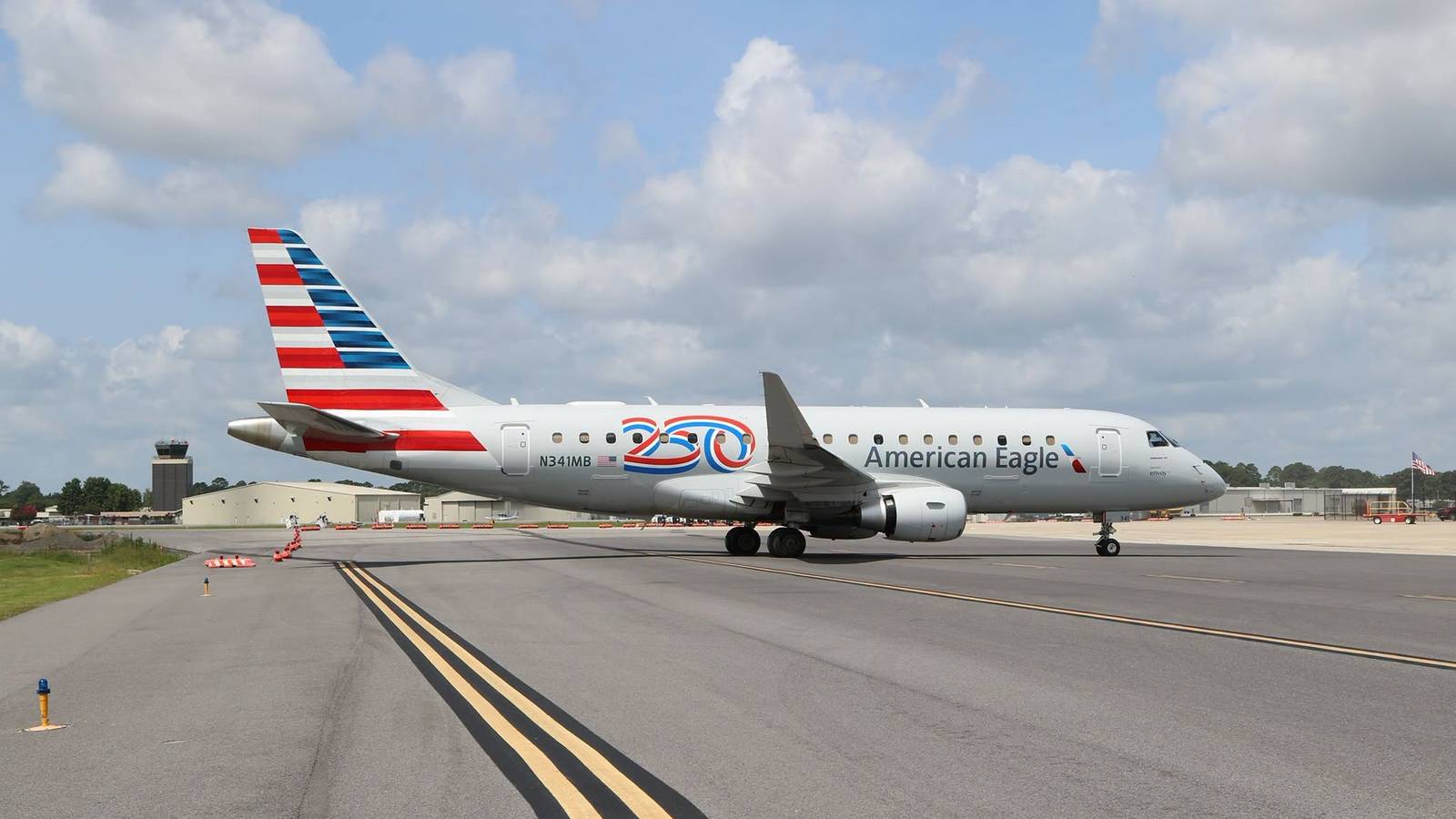
U.S. carriers marked the nation's semiquincentennial with a coordinated wave of special livery programs, ranging from subtle fuselage decals to full paint schemes, timed to the July 4, 2026 anniversary of the Declaration of Independence. Delta added an America250 decal beneath the cockpit window of a Boeing 757-200 flying high-frequency domestic routes, while United rolled out a "Stars and Stripes" livery across select 787-10 and 787-9 aircraft, explicitly tying the design to its Military Pilot Program and the roughly 8,300 veterans and 1,500 National Guard/Reserve members in its workforce. JetBlue updated its existing Vets In Blue aircraft with a 250th-anniversary design and paired it with an all-veteran crew debut flight, limited-edition trading cards, and expanded veteran-focused inflight programming. Southwest introduced "Independence One" in April as part of a broader trading-card series alongside "Liberty One" and "Freedom One," and Allegiant unveiled a red-white-and-blue A320 just before the holiday, notable given its recent absorption of Sun Country Airlines into the Allegiant brand while retaining a Minneapolis-St. Paul base.
For working pilots and flight crews, these liveries are more than cosmetic exercises—they intersect directly with operational planning, training, and crew scheduling. Special-scheme aircraft are typically tail-number specific, meaning dispatch, crew scheduling, and even maintenance tracking systems must account for these airframes when they rotate through hub networks, particularly for carriers like United and Delta that fly them on high-cycle domestic pairings. Pilots flying these aircraft often become de facto ambassadors during walkarounds, gate interactions, and social media exposure, and enthusiast tracking (as noted with Southwest's Independence One) can create unusual public attention around specific tail numbers, occasionally influencing gate crowd behavior or ramp photography requests that crews and ground personnel need to manage. Additionally, veteran-focused liveries like JetBlue's Vets In Blue and United's Stars and Stripes are tied to substantive workforce initiatives—military pilot pipeline programs that matter to the broader pilot supply conversation, given ongoing industry-wide hiring needs and the value airlines place on prior military flight experience for meeting Part 121 quals and reducing training timelines.
The broader trend reflects how airlines increasingly use livery and branding as a tool for corporate storytelling, recruitment marketing, and public goodwill, especially during a year when American Airlines is simultaneously marking its own centennial. This convergence of anniversaries—America's 250th and a major legacy carrier's 100th—creates a heavier-than-usual concentration of special paint programs in 2026, which has downstream implications for maintenance and paint-shop scheduling, since special livery work requires extended aircraft-out-of-service time compared to standard paint or decal application. It also reflects the commercial aviation industry's growing recognition that livery programs generate outsized social media and enthusiast engagement relative to cost, functioning as low-overhead marketing during peak summer travel demand. For business aviation and charter operators, these promotional efforts are largely irrelevant operationally, but they do reinforce a broader industry pattern: legacy and low-cost carriers alike are leaning into patriotic and veteran-support messaging as a recruitment and brand-loyalty tool at a time when pilot supply, public trust in aviation, and post-pandemic brand differentiation remain persistent strategic priorities across the sector.









 Read original article