The Last Lockheed L‑1011 TriStar Still Airworthy
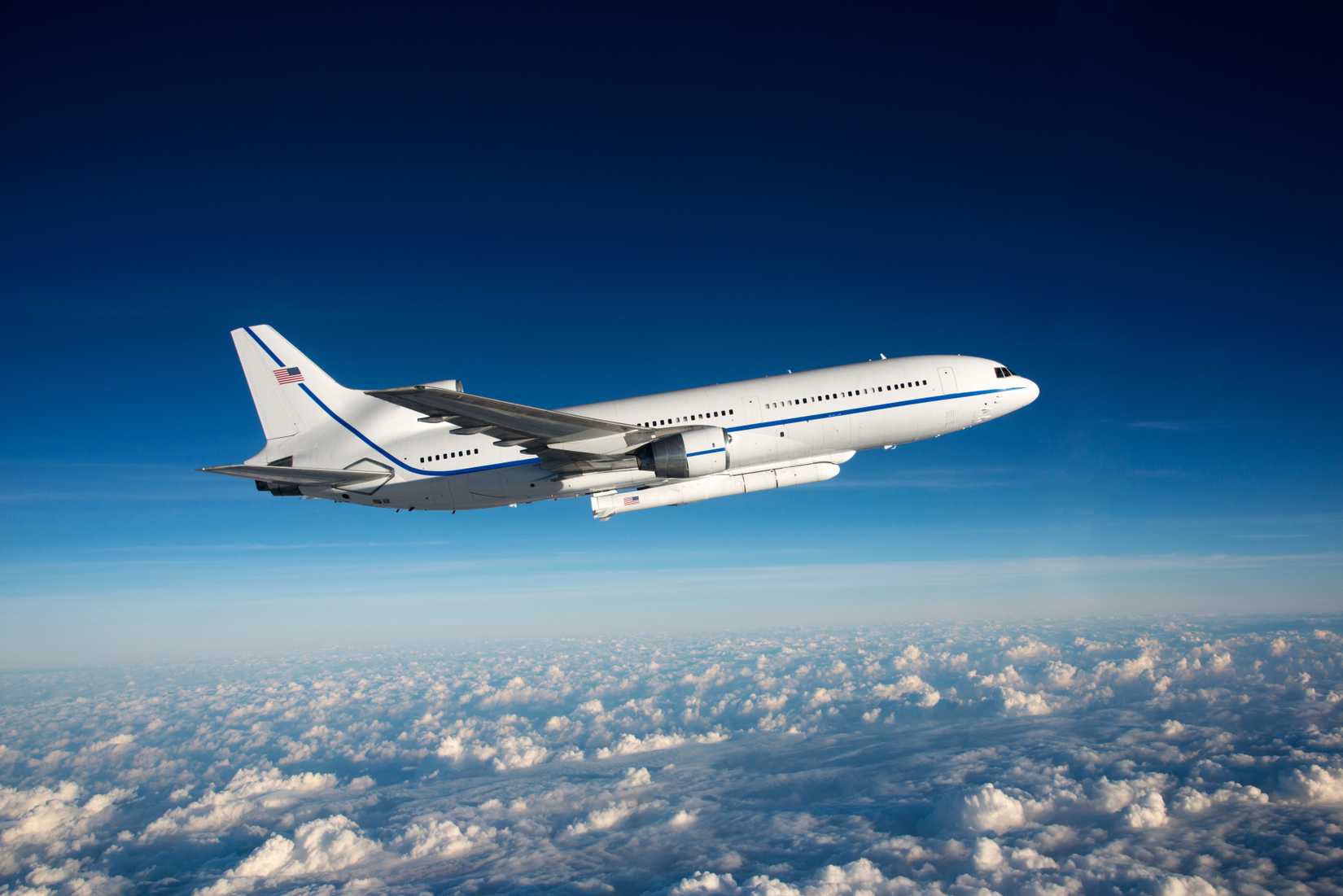
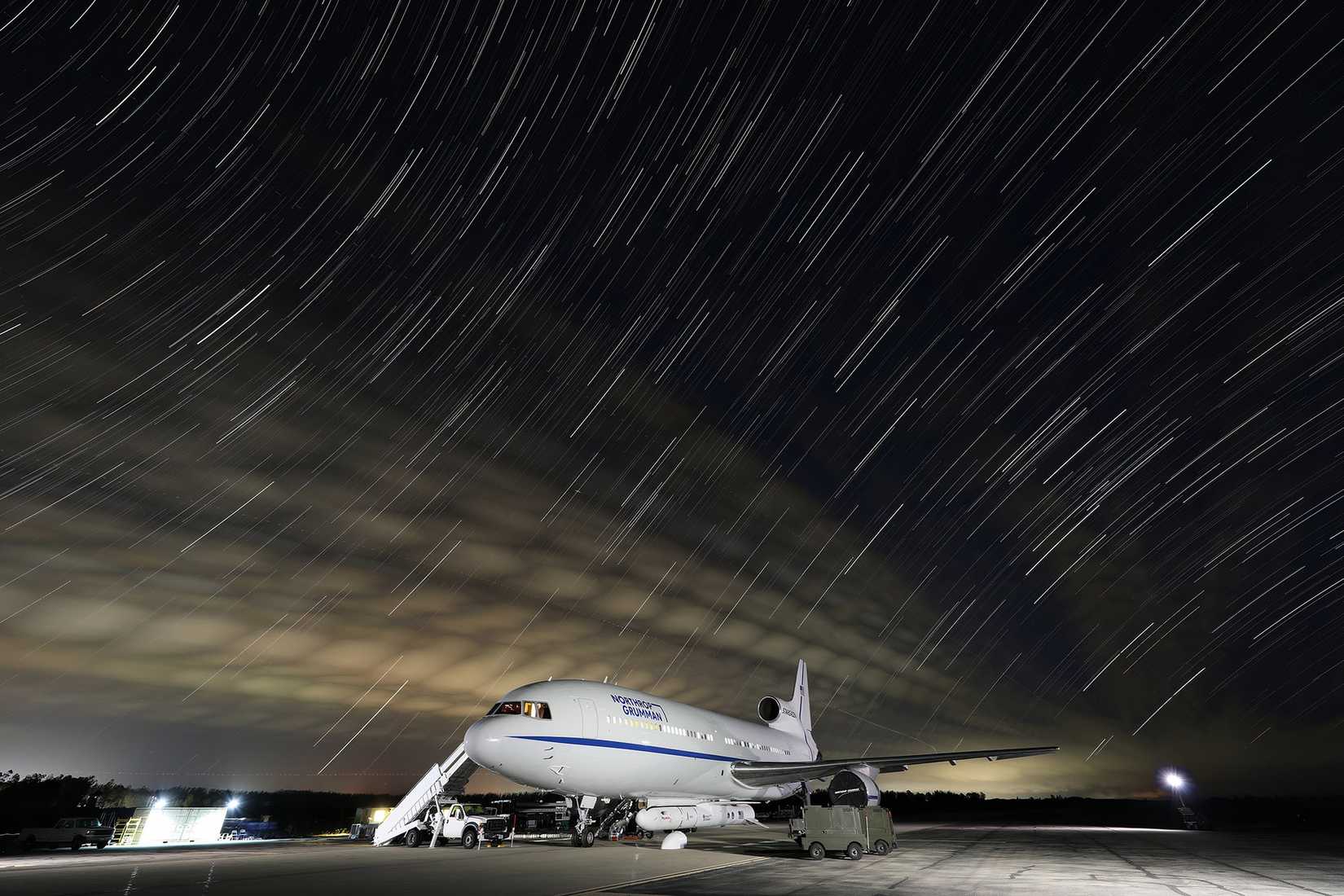
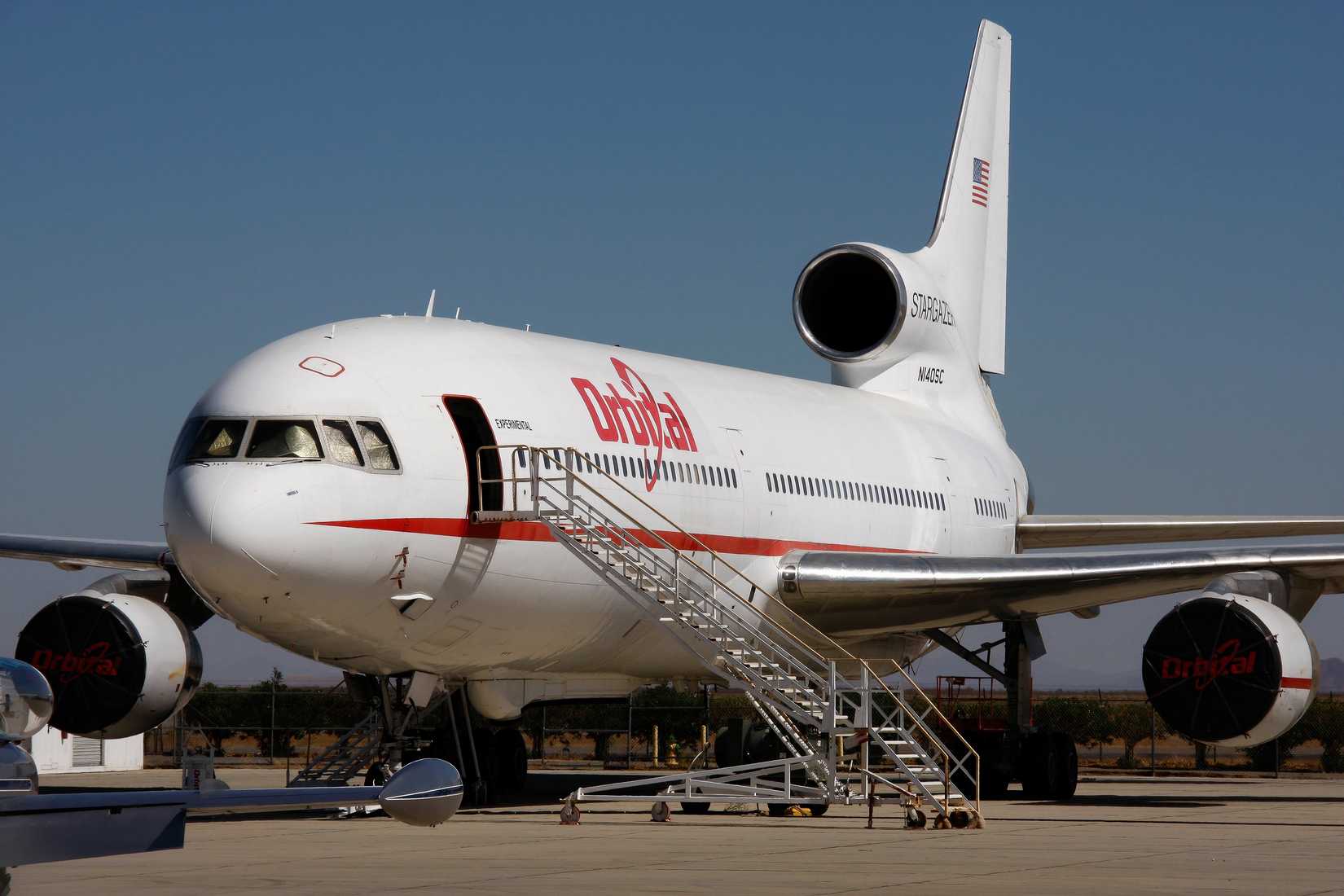
The lone surviving airworthy Lockheed L-1011 TriStar, registration N140SC and nicknamed "Stargazer," offers a striking case study in how quickly commercial aircraft types can vanish once production and support ecosystems dry up. Built in 1974 for Air Canada and later acquired by Orbital Sciences (now part of Northrop Grumman) in 1992, the aircraft has spent more than three decades as an air-launch platform for Pegasus rockets, dropping them from 39,000 feet to place small satellites into orbit. That it remains the only flying example of a type that once numbered 250 airframes underscores just how completely the TriStar has exited both passenger and cargo service—a fate shared by no other 1970s Western widebody.
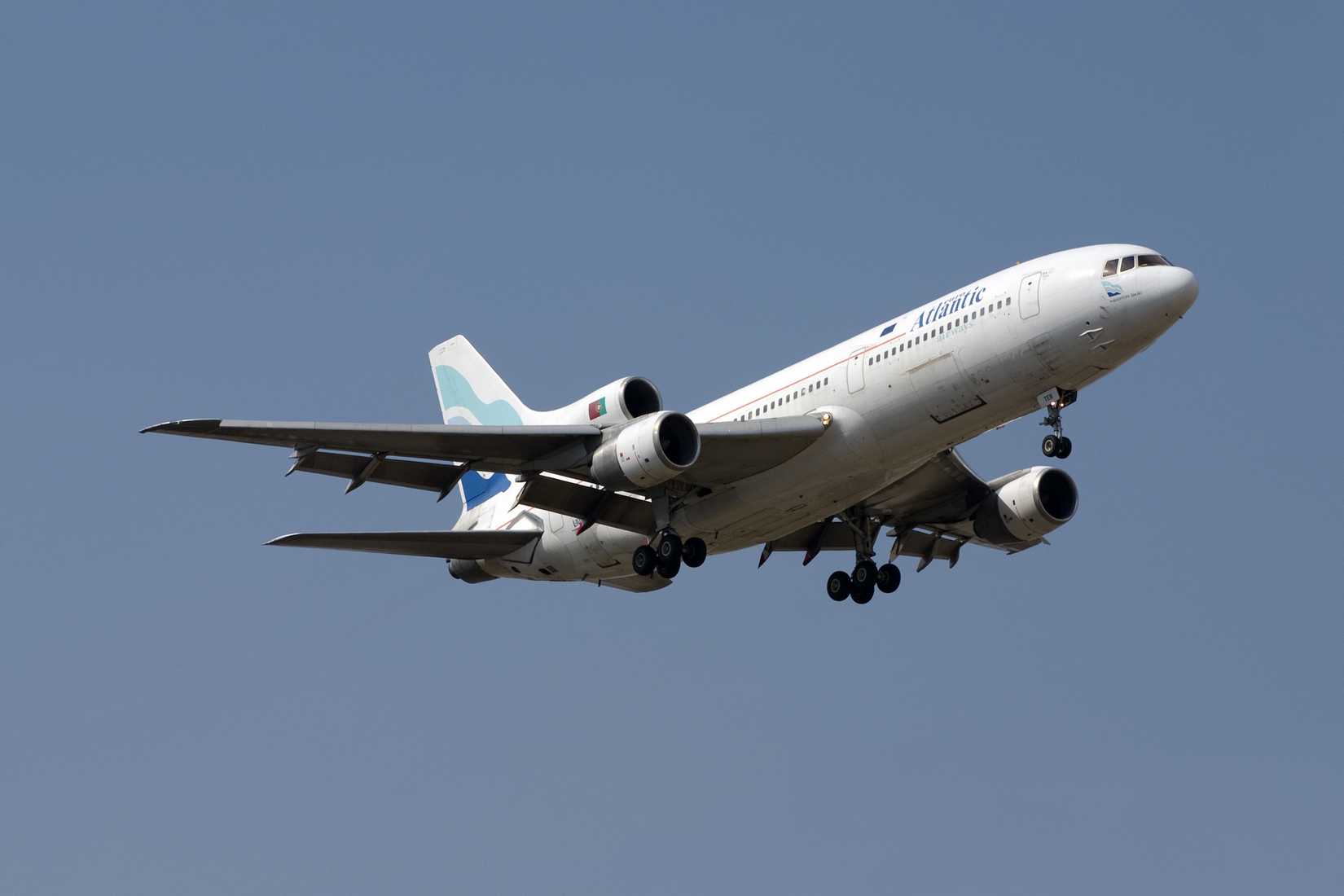
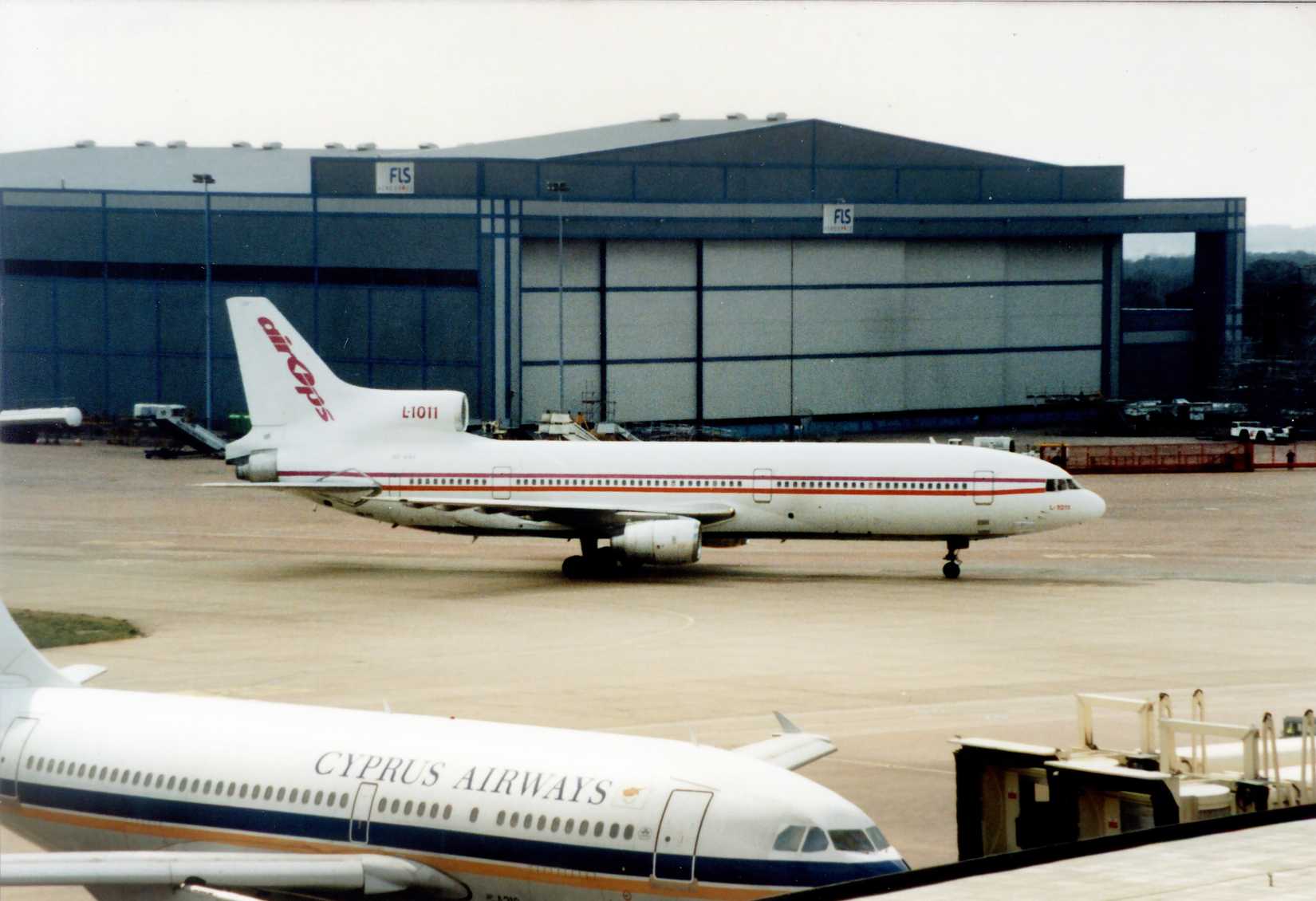
For pilots and operators, the TriStar's disappearance is a useful lesson in the economics of aircraft longevity. The 747, DC-10/MD-11, and A300 all survived into the 2020s in meaningful numbers largely because manufacturers or third parties developed freighter conversions, extending useful life well beyond airline passenger service. Lockheed never pursued a freighter variant of the L-1011, and with only 250 built against 386 DC-10s, 561 A300s, and over 1,500 747s, the TriStar never achieved the fleet scale needed to justify aftermarket conversion investment. This is a pattern working pilots should recognize in today's fleet planning discussions: aircraft with no cargo pathway, limited production runs, or a lack of sustained parts and engineering support tend to exit service far faster than their competitors, regardless of the aircraft's technical merits. The RB211-powered TriStar was, by most accounts, a sophisticated and pilot-friendly aircraft, including one of the earliest applications of a fully automatic Category IIIc autoland system—yet none of that engineering advantage translated into a durable niche once passenger operators moved on.
The Stargazer's continued airworthiness also highlights a broader trend of retired airliners finding improbable second careers in specialized government, research, and aerospace roles rather than conventional airline or freight service. Just as former 747s and DC-10s have been converted into firefighting tankers, SOFIA airborne observatories, or VIP transports, the TriStar found its niche as a rocket mothership, a role that demands reliability, payload capacity, and high-altitude performance rather than cabin configuration or fuel efficiency relative to modern types. This illustrates for operators and maintenance planners that legacy airframes, when properly supported and maintained (Orbital Sciences invested significant time and engineering resources modifying and upgrading the aircraft, including engine and systems changes), can remain viable well past the retirement of their entire type from mainline service, provided a mission profile exists that values their unique characteristics over cost-per-seat metrics.
Finally, the TriStar's fade from the skies is a reminder to current pilots of legacy fleets—DC-8, 707, MD-11, A300—that even iconic, technologically respected aircraft face finite operational windows shaped as much by manufacturer support decisions and market scale as by airframe capability. As airlines and cargo carriers continue retiring aging widebodies in favor of more fuel-efficient twins like the 787, A350, and 777X, the TriStar's near-total extinction serves as a preview of what awaits other legacy types lacking cargo conversion programs or specialized niche applications. For historians and enthusiasts, Stargazer remains a flying artifact of the widebody era's early competitive landscape; for industry professionals, it is a case study in why production numbers, freighter convertibility, and sustained OEM support determine which aircraft types endure and which quietly disappear from the flight lines.







 Read original article