Industry Strategy Archives - The Air Current
The Air Current's Industry Strategy archive, spanning late 2025 through early 2026, reveals a publication whose editorial lens has locked onto a handful of converging forces reshaping the structure of commercial and business aviation simultaneously: the contested maturation of advanced air mobility, sustained stress fractures in legacy aerospace manufacturing, and a quiet but consequential consolidation of avionics and navigation authority. Taken together, the archive's headline slate functions as a diagnostic of where the industry is absorbing risk and where it is searching for durable commercial logic.
The eVTOL sector commands the largest share of The Air Current's strategic attention during this period, and the framing of those stories is notably skeptical rather than promotional. Pieces examining Vertical Aerospace's effort to be taken seriously by equity markets, Saudi Arabia's critical appraisal of eVTOL operational readiness, and the internal supply decisions at Eve Urban Air Mobility — specifically its choice to source pusher motors from a competitor — collectively signal that the certification and commercialization timeline for electric vertical lift vehicles remains deeply uncertain. The Archer-Anduril partnership piece adds a dimension that matters particularly to operators thinking about where this technology lands first: the defense sector is absorbing eVTOL development costs and proving out operational concepts faster than civil commercial applications, which means military use cases may define the early airworthiness and crew qualification frameworks that civilian operators eventually inherit. Beta Technologies' trajectory from private startup culture to public company discipline, covered across two separate pieces, underscores that the capital structures funding this generation of aircraft are under their own form of stress, independent of the certification path.
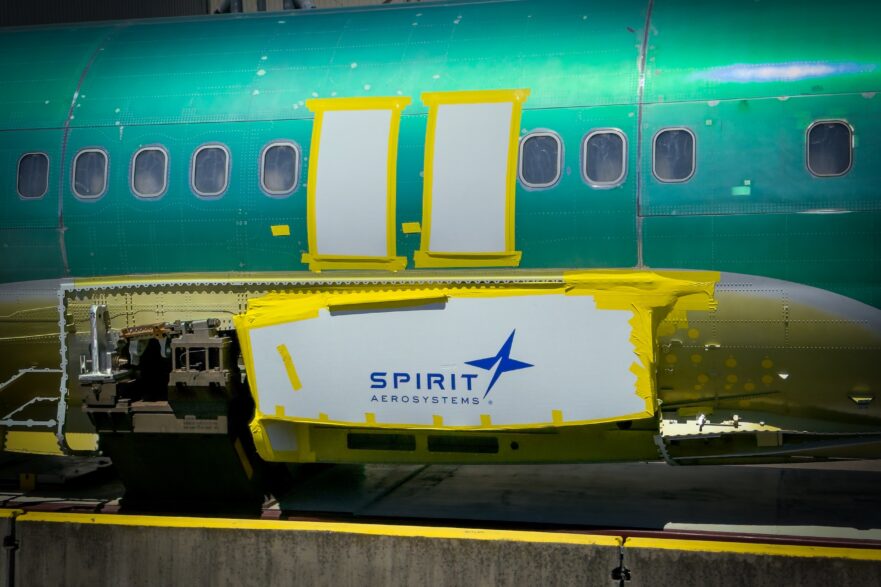
The Spirit AeroSystems coverage — framed with terminal language about "last days" — speaks to a structural vulnerability in aircraft production that professional pilots and fleet operators have been living with in practice for several years. Spirit's role as the primary fuselage supplier for Boeing narrowbodies made its financial distress a direct operational concern for airlines managing delivery schedules and MRO planning. Boeing's absorption of Spirit in late 2024 and the subsequent restructuring effort represent one of the most significant supply chain realignments in the industry's recent history, and The Air Current's treatment of it as a strategic inflection point rather than a simple corporate transaction reflects appropriate analytical weight. For Part 91K and Part 135 operators dependent on Boeing and Airbus product lines, the prolonged production normalization affects not just new aircraft availability but spare parts supply chains and maintenance planning horizons.
The ATR coverage — both a January 2026 strategic roadmap piece and a September 2025 special report on thin-haul markets — addresses terrain that is directly relevant to regional operators, commuter airlines, and the broader question of what aircraft serve sub-500-mile markets in an era when fuel costs and pilot supply constrain turboprop economics. ATR's positioning for the rest of the decade involves navigating hybrid-electric propulsion development while sustaining relevance against a shrinking competitive field following the exits of several regional aircraft programs. JetZero's propulsion selection deliberations, covered in June 2025, fit the same broader theme: airframers at every scale are being forced to make consequential technology bets under conditions of regulatory and market uncertainty, and those choices will define what aircraft are actually available to operators by the early 2030s.
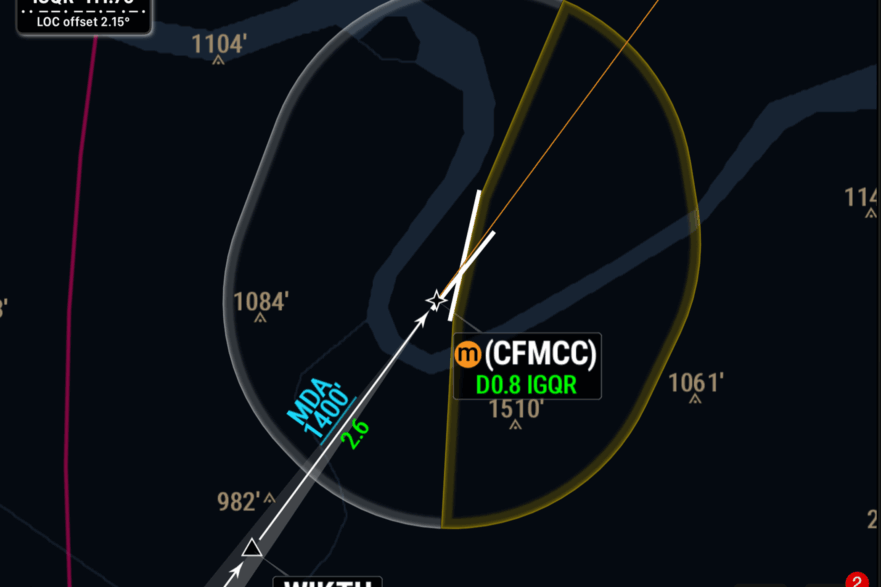
Garmin's expansion into aeronautical charting, framed through The Air Current's lens as a bid to become the "Apple of aviation," warrants particular attention from professional flight crews and chief pilots responsible for avionics compliance and electronic flight bag programs. Garmin's vertical integration strategy — moving from navigation hardware into the data and charting layer that pilots depend on for situational awareness and regulatory compliance — mirrors the platform consolidation playbook that has reshaped consumer technology. For operators, the practical implication is reduced vendor diversity in the cockpit information ecosystem, with the attendant risks and efficiencies that consolidation brings. FAA approval frameworks for integrated avionics and chart currency will become increasingly important as a single vendor gains leverage across multiple cockpit functions simultaneously.