Gogo Galileo HDX receives FAA certification for Gulfstream G650, G650ER | Corporate Jet Investor | CJI news
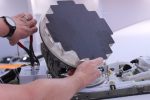
Gogo has secured an FAA Supplemental Type Certificate enabling installation of its Galileo HDX connectivity system on the Gulfstream G650 and G650ER, extending the reach of its low earth orbit (LEO) satellite-based inflight internet product into one of business aviation's most prevalent ultra-long-range fleets. The HDX uses an electronically steered antenna operating on Eutelsat's OneWeb constellation, and Gulfstream's engineering approach places the antenna under the radome in a tail-mounted configuration, a design choice intended to minimize aircraft downtime during retrofit and preserve the jet's aerodynamic and structural integrity. The system is also backwards compatible with existing network equipment already installed on many G650s, which lowers the barrier to adoption for operators who previously invested in Gogo or other connectivity hardware and don't want to rip out entire cabin architectures to upgrade.
For operators and flight departments running G650/G650ER aircraft, this certification is significant because connectivity has moved from a nice-to-have amenity to a baseline expectation, particularly for principals conducting business aboard the aircraft via video conferencing, real-time market data, or large file transfers. The G650 fleet, numbering in the hundreds globally and flown extensively by corporate flight departments, charter operators, and fractional providers, has historically relied on Ku- or Ka-band satellite systems (including Gogo's own AVANCE-based offerings, Viasat, and others) that can suffer from latency and bandwidth constraints, especially over oceanic and polar routes common to ultra-long-range missions. LEO constellations like OneWeb promise substantially lower latency and more consistent bandwidth regardless of geographic position, which matters directly to flight crews managing passenger expectations on transoceanic legs where connectivity gaps have traditionally been most acute. Pilots and cabin crew fielding real-time complaints about dropped calls or buffering video streams during 12-14 hour missions stand to benefit operationally from a more resilient system, and dispatchers/schedulers may see fewer maintenance-driven aircraft-on-ground events tied to legacy antenna hardware.
This certification also fits into a broader competitive dynamic playing out across the connectivity market, where Gogo, Starlink (via Aviation and its business jet-focused offerings), Viasat, and Honeywell/Anywave are racing to lock in STCs across major OEM platforms. Gogo's Galileo HDX has now been certified on the Dassault Falcon 7X and 8X and now the Gulfstream G650/G650ER, signaling a deliberate strategy to capture the large-cabin, ultra-long-range segment where connectivity demands are highest and where operators have the budget to invest in premium systems. This segment overlaps heavily with fractional and charter providers (NetJets, Flexjet, Solairus, and others) as well as corporate flight departments operating under Part 91/91K, all of whom increasingly treat connectivity reliability as a competitive differentiator when marketing aircraft availability or retaining clients.
More broadly, this STC reflects the accelerating maturation of LEO-based inflight connectivity as a genuine alternative to GEO satellite systems in business aviation, mirroring similar shifts already underway in commercial airline cabins. As more OEMs and aftermarket providers pursue LEO certifications across widebody and long-range business jet platforms, flight departments should expect connectivity upgrade cycles to compress, with operators facing decisions about retrofit timing, cybersecurity posture (Gogo emphasizes its protections and 24/7 support), and total cost of ownership as multiple constellations and providers compete for the same aircraft. For maintenance planners, the emphasis on minimized installation downtime and radome flexibility is a practical signal that Gulfstream and Gogo are trying to reduce the operational friction that has historically made connectivity upgrades a scheduling headache for busy flight departments.