Here's What Emirates' 56-Seat Premium Economy Cabin Offers That Singapore Airlines Structurally Cannot Match
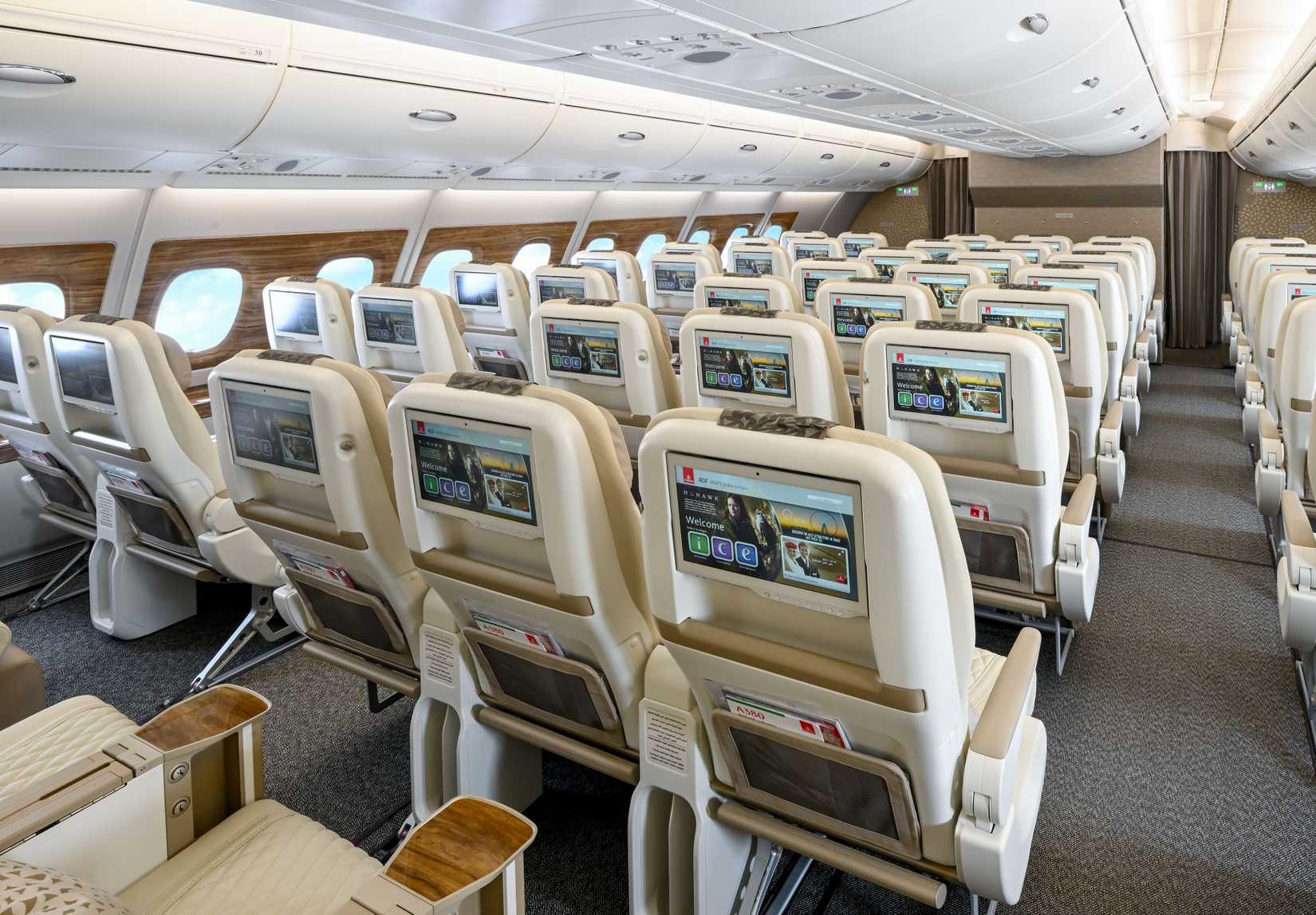
Emirates' premium economy product, now spread across a 56-seat cabin on its Airbus A380s, illustrates how fleet architecture rather than raw service quality increasingly separates the leading long-haul carriers. Emirates has built its case around scale: 19.5 inches of width, up to 40 inches of pitch, pop-up calf rests, and a 2-4-2 or 2-3-2 layout depending on aircraft type, all wrapped in a cabin that visually borrows heavily from business class design cues. Singapore Airlines, by contrast, offers a competent but more utilitarian product—38-inch pitch, slightly narrower seats, and a more contemporary but less flashy interior. Both carriers rank near the top of Skytrax's premium economy rankings, but the structural gap between them is less about design philosophy and more about what each airline's fleet allows them to do.
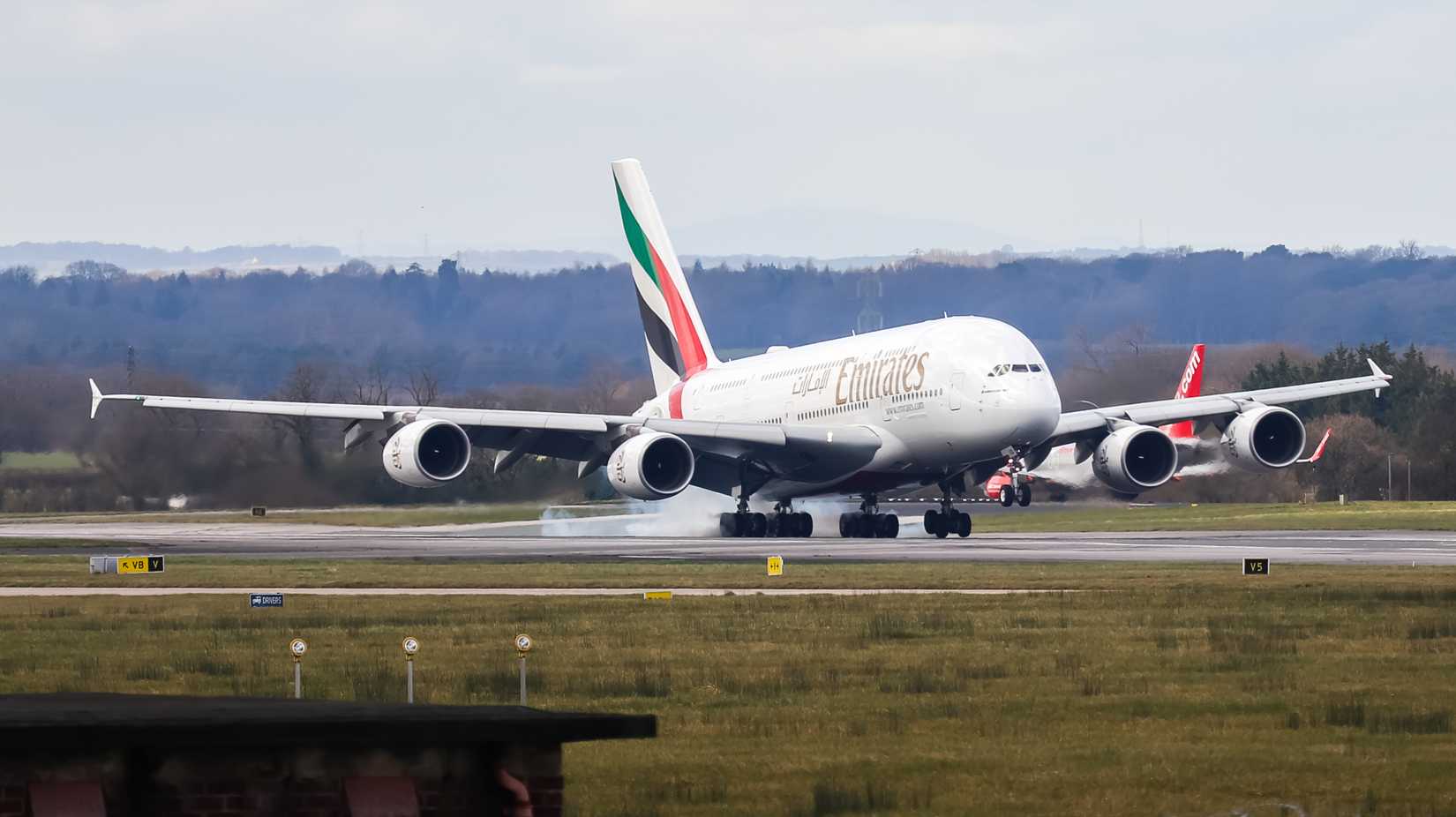
The core of the comparison is fleet composition, and this is where the article's analysis carries real operational weight for industry observers. Emirates operates 116 A380s and 144 777s, giving it an enormous inventory of large-cabin aircraft with the floor space to dedicate 56 seats to a single premium economy cabin without materially cannibalizing other classes. Singapore Airlines, with only 12 A380s and a widebody fleet dominated by A350s and 787s, simply doesn't have the deck space to replicate that scale even if it wanted to—its A380s carry only 44 premium economy seats, and its midsize jets can't support cabins of similar size at all. This is a useful reminder for airline planners and fleet strategists that cabin product decisions are often downstream of decade-old aircraft orders rather than pure market positioning. Carriers that committed heavily to A380s and 777s in the 2000s and 2010s—Emirates chief among them—now have a structural cost and space advantage in premium economy and other high-margin cabins that competitors with more fuel-efficient, right-sized widebody fleets cannot easily match without new orders or reconfigurations.
For working pilots, particularly those flying for or considering positions with Gulf carriers, legacy long-haul airlines, or any operator managing mixed A380/787/A350 fleets, this dynamic underscores how equipment type continues to shape crew scheduling, route assignment, and even career trajectory. A380 type ratings remain valuable precisely because so few carriers operate the aircraft at Emirates' scale, and Emirates' willingness to sustain a 116-strong A380 fleet—well past the point most airlines abandoned the type—creates a durable, if narrow, career niche. Meanwhile, the broader industry trend toward smaller, twin-engine widebodies (787, A350, 777X) reflects operating economics that most carriers have judged more important than maximizing premium cabin real estate. Emirates is something of an outlier in continuing to lean into very large aircraft, betting that Dubai's position as a mega-hub and its own brand halo effect can keep those seats filled at premium fares.
The commercial implication extends beyond cabin comfort into revenue management and network strategy, both of which matter to flight operations and crew planning teams. A 56-seat premium economy cabin requires consistent high-yield demand to avoid becoming a costly white elephant, and Emirates is banking on Dubai's transit traffic, long average sector lengths, and brand strength to sustain it. For competitors and analysts watching capacity trends, this serves as a case study in how legacy fleet bets, hub geography, and brand equity combine to produce cabin products that smaller or more conservatively fleeted airlines structurally cannot replicate—regardless of how well they execute service, food, or crew training. As airlines continue to differentiate premium economy as a genuine profit center rather than an afterthought between economy and business class, expect more carriers to reassess widebody orders and cabin configurations with this scale advantage in mind.








 Read original article