The Airlines That Offer Amenity Kits To Economy Class Passengers In 2026
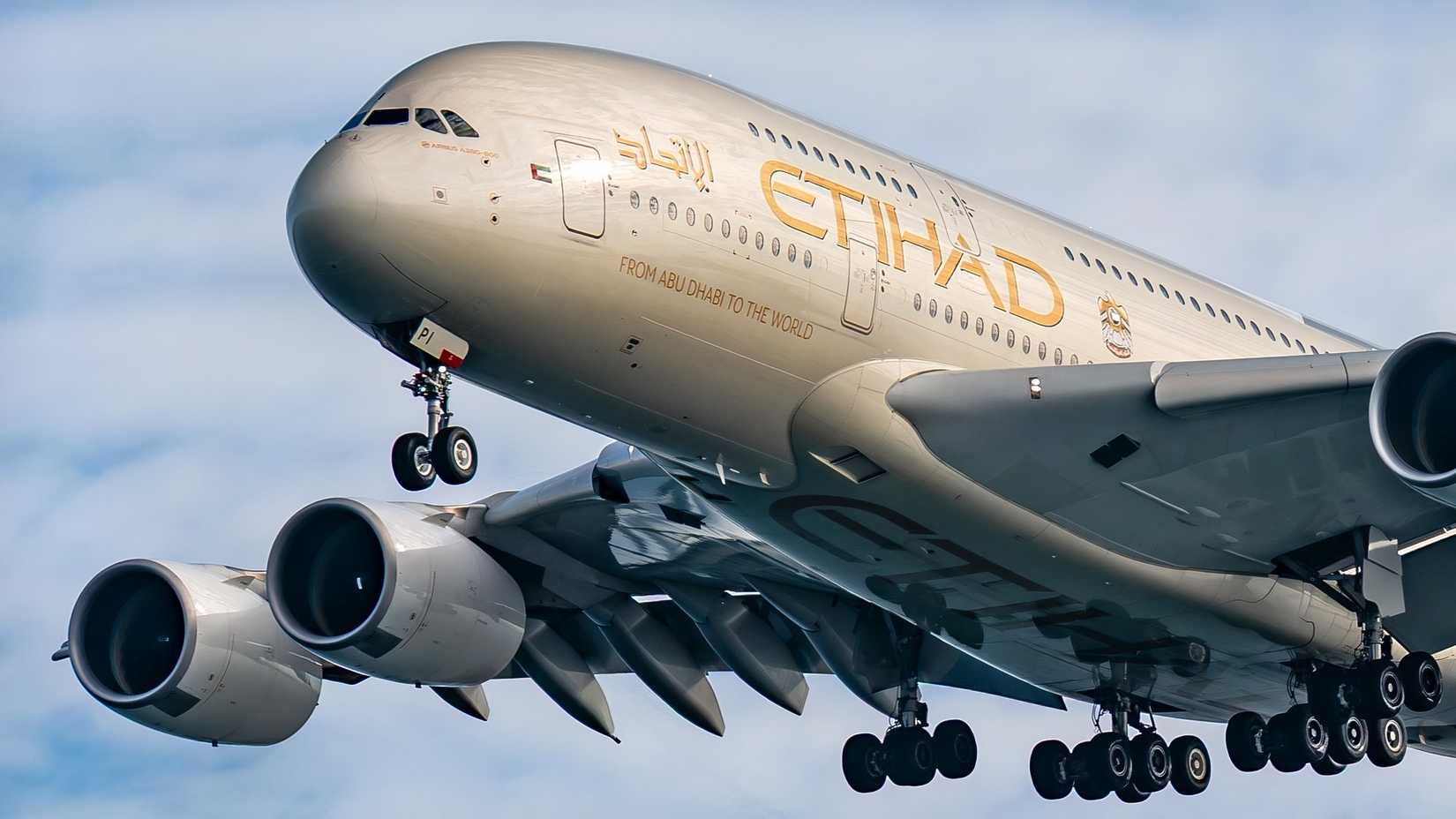
The steady disappearance of complimentary amenity kits from economy class cabins reflects a broader recalibration of how full-service carriers allocate soft-product spending in an era of intense cost discipline and fare unbundling. Simple Flying's rundown of the remaining holdouts—Etihad Airways, Qantas, and Emirates—illustrates that where kits survive, they are now reserved almost exclusively for long-haul and ultra-long-haul sectors of six hours or more, and are increasingly framed around sustainability messaging (recycled PET pouches, reusable totes) rather than the premium-adjacent giveaways of years past. This is a meaningful shift from the pre-2020 norm, when amenity kits were a fairly standard economy touchpoint on most widebody international flights across legacy carriers in North America, Europe, and Asia. Their retreat mirrors the same cost-per-available-seat-mile scrutiny that has driven reductions in catering, checked-bag allowances, and seat pitch across the industry.
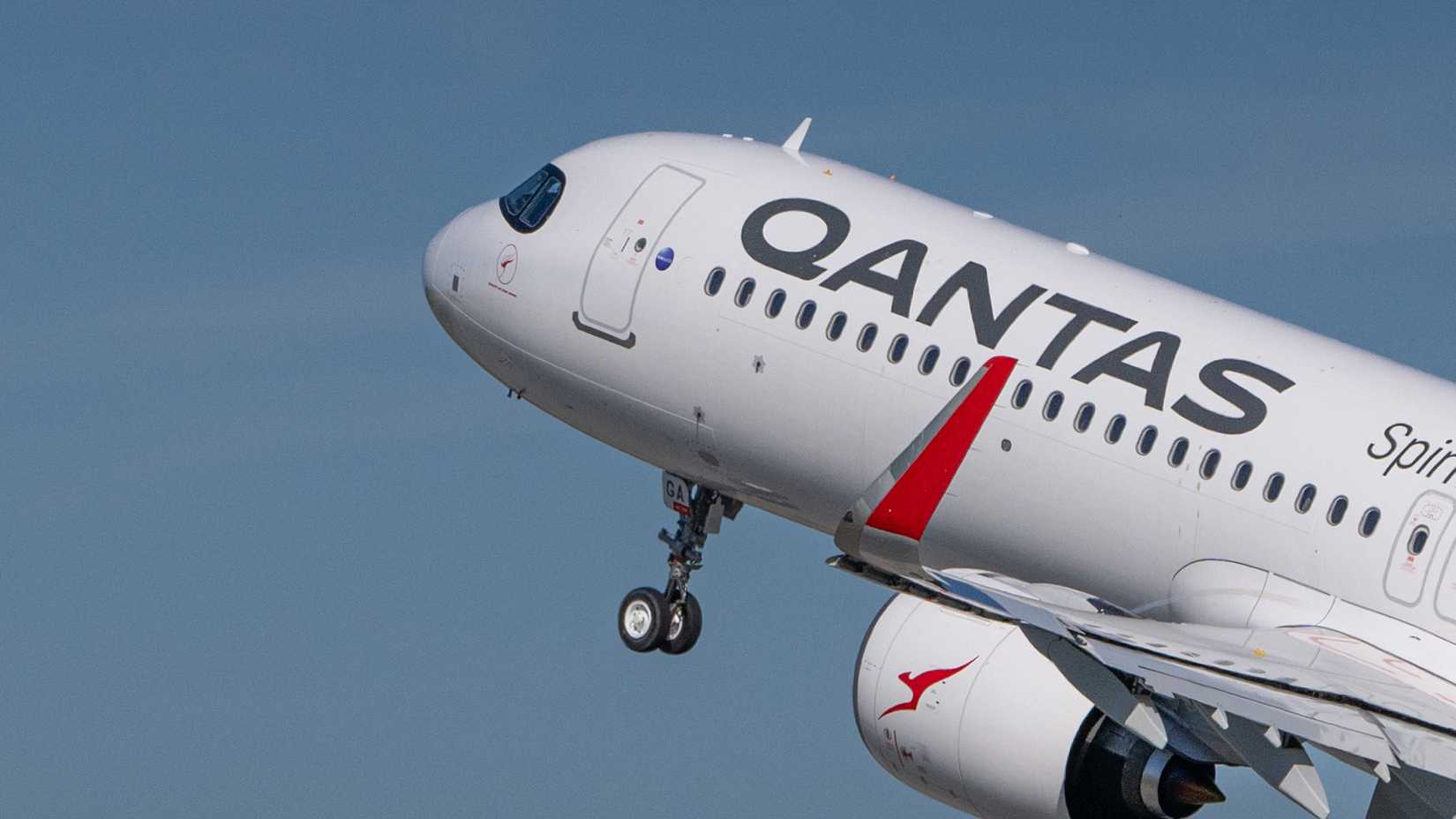
For working pilots and crews, this trend is a useful barometer of where airline management is directing discretionary spending and how that intersects with operational planning. Amenity kit distribution decisions are rarely made in isolation—they typically track with fleet assignment, route economics, and flight-time thresholds that also inform crew rest planning, catering logistics, and turn times. Qantas's retention of kits specifically on its Perth–London route, flown by the 787-9 and soon to be extended via the A350-1000ULR on Project Sunrise city pairs, underscores how ultra-long-haul flying is being treated as its own distinct product category requiring differentiated crew procedures, fatigue risk management, and passenger-comfort protocols. Pilots flying these sectors are increasingly operating in an environment where the airline is making visible, publicized investments in the passenger experience precisely because the flight duration itself is the primary selling point, which has downstream implications for augmented crew requirements, rest facility utilization, and dispatch planning around extended-range operations.
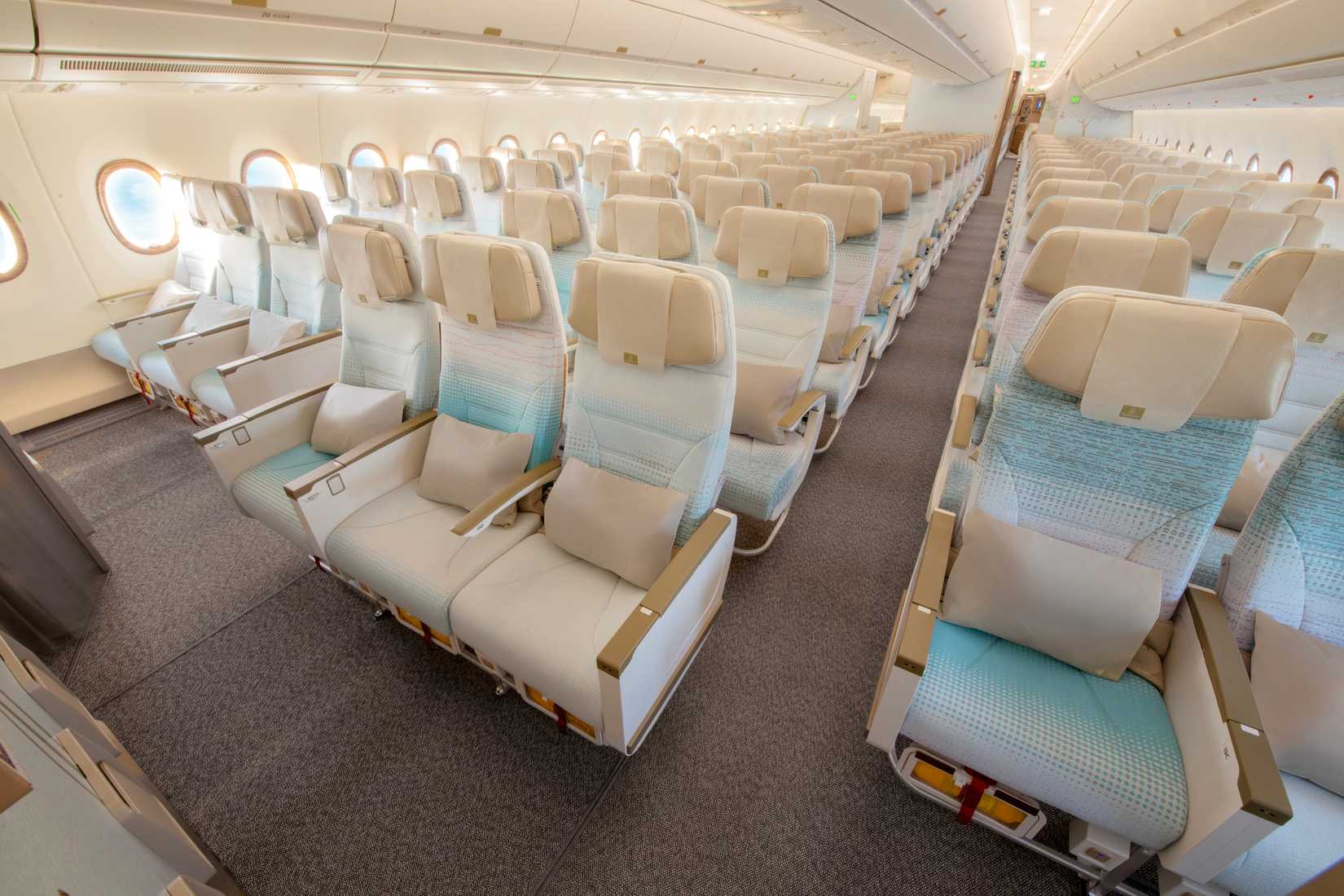
More broadly, the amenity kit story is a microcosm of the bifurcation happening across commercial aviation between premium and economy products. As airlines like Emirates, Etihad, and Qantas pour capital into business and first-class hard product upgrades—lie-flat suites, onboard bars, high-end amenity kits with designer branding—economy class is being systematically stripped down to its essentials, with comfort items shifted to on-request or ancillary-purchase models. This unbundling philosophy, pioneered by low-cost carriers and now standard even among full-service network airlines, has significant implications for cabin crew workload distribution, boarding procedures, and passenger service delivery. Flight crews, particularly pursers and lead flight attendants, are managing increasingly stratified service standards within a single cabin configuration, which has training and staffing implications that ripple beyond the amenity kit itself.
Finally, the sustainability angle woven through these remaining kit programs—recycled materials, wildlife conservation partnerships, reusable totes replacing single-use plastics—reflects the aviation industry's broader ESG posture, which increasingly touches everything from SAF procurement to cabin waste reduction targets. For operators and flight departments tracking corporate sustainability commitments, this signals that even minor customer-facing decisions are now being evaluated against emissions and waste metrics, a pattern that business aviation operators are also encountering as clients and regulators scrutinize environmental footprint across all segments of the industry. The amenity kit's decline in economy, then, is less a standalone story than a small but telling data point in the industry's ongoing effort to balance cost control, product differentiation, and environmental accountability.















 Read original article