Dreamliner Archives - Leeham News and Analysis
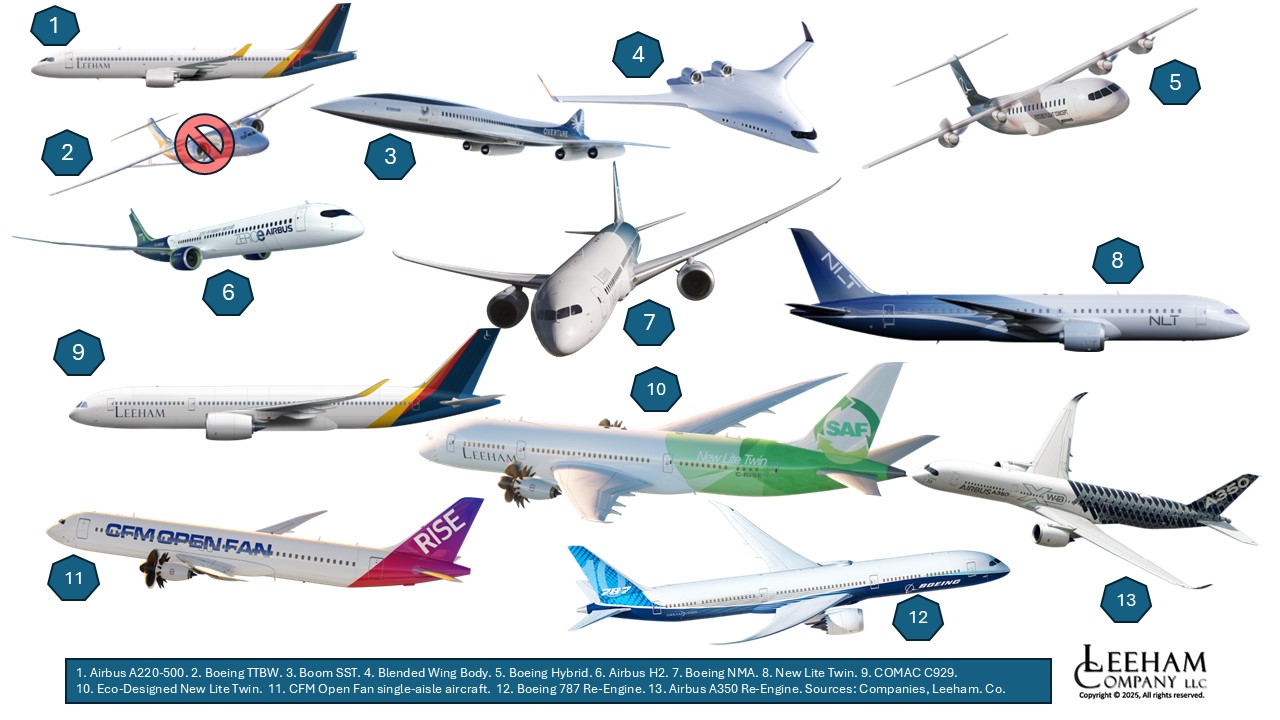
Leeham News' archive on Dreamliner-related coverage reveals a publication deeply engaged in long-form technical analysis of aircraft structures, propulsion, and next-generation airliner development—topics that extend well beyond the 787 program itself into the broader engineering forces shaping the future of commercial aviation. Bjorn Fehrm's ongoing "Aircraft Structures" series, now examining composite fibers as a follow-on to glass-fiber composites, provides a materials-science foundation for understanding why modern airframes like the 787 and A350 rely so heavily on carbon-fiber-reinforced plastics rather than legacy aluminum construction. Similarly, the five-part "What's the Next New Aircraft" series catalogs thirteen candidate programs—ranging from the COMAC C929 and a new light twin to open-fan CFM engines and re-engined 787 and A350 variants—that could define the 2030s and beyond, situating the Dreamliner not as a finished product but as a platform whose successor or re-engined evolution remains an active industry question.
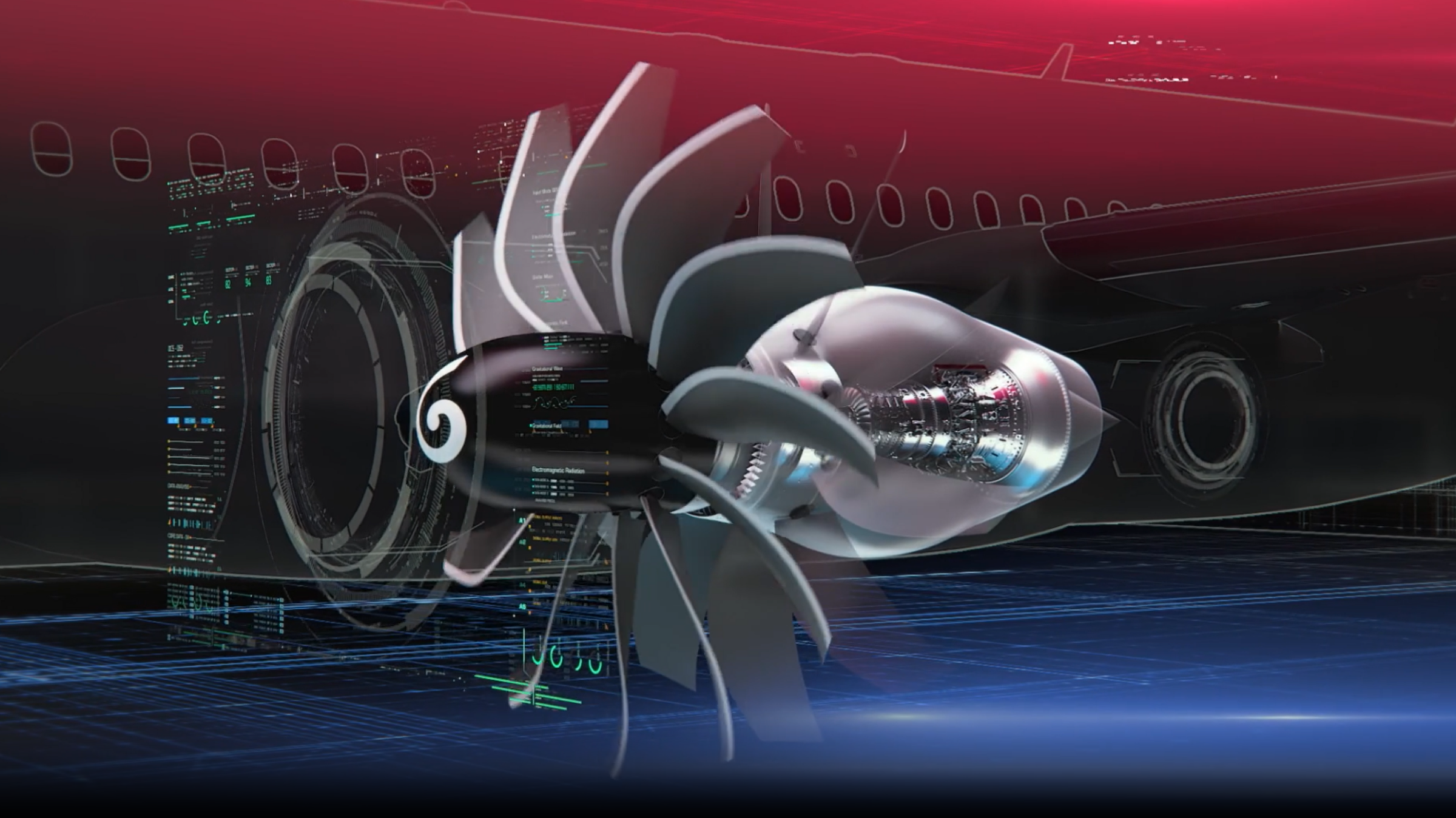
For working pilots and flight operations planners, this body of analysis matters because it maps the technical and economic pressures that will determine fleet composition a decade from now. The recurring theme across these articles—engine development increasingly outpacing airframe development as the critical path and risk driver for new aircraft programs—directly affects how airlines and OEMs sequence upgrades, retrofits, and retirements. Bjorn's Engine Development series notes that where airframe design once dictated program timelines, engine maturation (exemplified by CFM's RISE open-fan concept) now governs schedule risk, a shift with real consequences for pilots anticipating type transitions, simulator updates, and operating procedure changes as new powerplants enter service.
The 767 re-engining analysis is particularly instructive for cargo and passenger operators flying legacy widebodies. Leeham's performance modeling shows that while new-generation engines would improve fuel burn on a re-engined 767-300ER, higher engine maintenance costs could largely offset the cash operating cost advantage—a nuanced finding that matters enormously to fleet planners and check airmen alike, since it affects whether carriers pursue re-engining, continued production of current-generation jets before 2027 emissions deadlines, or accelerated replacement with newer types. This kind of granular cost-per-seat-mile analysis is the sort of data that eventually filters down into airline fleet decisions, crew base assignments, and training investments.
Finally, the recurring production-rate analysis—covering supply chain bottlenecks, learning curves, and the "gigantic puzzle" of scaling narrowbody output—reflects a persistent industry-wide constraint that pilots have felt directly through delayed deliveries, extended aircraft lifecycles, and slower fleet renewal than airlines have publicly planned. Collectively, this archive underscores a broader trend across commercial, business, and general aviation: propulsion technology, materials science, and manufacturing capacity are now the binding constraints on how quickly the industry can decarbonize and modernize, with regulatory emissions deadlines (like those affecting 767 production beyond 2027) adding urgency. For pilots monitoring which aircraft types they may fly in the 2030s, Leeham's structural and engine-focused analysis provides the technical grounding to understand why next-generation aircraft timelines keep slipping—and why re-engined derivatives of proven platforms like the 787 may bridge the gap before truly new airframes arrive.








 Read original article