Buyer Beware: Considerations For Smooth Pre-Purchase Inspections
Pre-purchase inspections remain the single most consequential checkpoint in any business aircraft transaction, and the limited excerpt available from this Aviation Week Network/BCA piece—featuring insights from aircraft broker Steve Varsano—underscores a truth that flight departments and prospective owners ignore at their peril: price is only the first of many friction points that can derail a deal. Varsano, a veteran of high-value bizjet transactions through The Jet Centre, points to pricing disagreements as the leading source of tension, but the broader lesson for pilots and aviation professionals involved in acquisition due diligence is that a PPI is never purely a mechanical exercise. It is a negotiation lever, a risk-transfer mechanism, and often the moment where buyer expectations collide with seller optimism about aircraft condition and value.
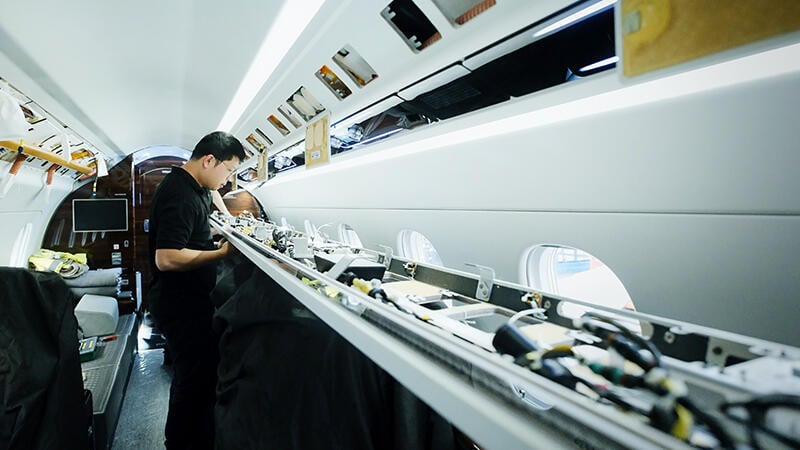
For working pilots—particularly those in Part 91/91K flight departments or contract pilots brought in to support a principal's acquisition—the pre-purchase inspection process is where technical expertise intersects directly with financial stakes. Chief pilots and directors of maintenance are frequently tasked with vetting inspection facilities, reviewing squawk lists, and advising ownership on whether discovered discrepancies are dealbreakers or negotiable line items. Discrepancies uncovered during a PPI—corrosion, avionics obsolescence, engine trend data anomalies, damage history, or incomplete logbooks—can each become bargaining chips that shift purchase price by hundreds of thousands of dollars or, in extreme cases, unwind a transaction entirely. Pilots asked to weigh in on these findings need fluency not just in airworthiness standards but in how those findings translate into negotiating leverage, since a technically airworthiness aircraft can still carry significant latent liabilities that affect resale value, insurability, or future maintenance costs.
The broader context here reflects a business aviation market that has remained robust in pricing and demand following the pandemic-era surge, with preowned inventory levels fluctuating and buyers increasingly sophisticated about total cost of ownership. As aircraft values have stayed elevated relative to historical norms, the margin for error in a PPI has shrunk—buyers are less willing to absorb surprises when they're paying near-peak prices, and sellers are more motivated to protect valuations they've enjoyed during a strong market. This dynamic has elevated the importance of experienced brokers, OEM-authorized service centers, and independent inspection firms who can navigate disputes objectively. It also reinforces why flight departments should treat PPI selection and scope-of-work negotiation as seriously as they treat maintenance program enrollment or crew training contracts—the inspection facility chosen, and the specificity of the inspection checklist, can materially affect transaction outcomes.
Ultimately, this topic connects to a persistent theme across business and commercial aviation: the widening gap between aircraft complexity and the due diligence infrastructure required to responsibly transact on that complexity. As business jets incorporate more sophisticated avionics suites, composite structures, and data-driven maintenance tracking, the PPI process itself has had to evolve, requiring specialized borescope work, avionics diagnostic downloads, and closer scrutiny of digital maintenance records alongside traditional airframe and engine inspections. For pilots operating in ownership transition periods—whether ferrying an aircraft to inspection, supporting technical reviews, or briefing new owners on aircraft systems post-sale—understanding where negotiations typically break down, as Varsano describes, equips them to add real value beyond the cockpit, positioning them as trusted advisors in one of aviation's highest-stakes transactions.






 Read original article