The Massive US Airport Expansions That Will Transform Air Travel
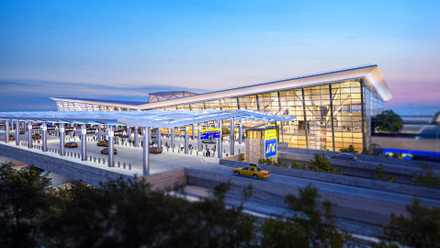
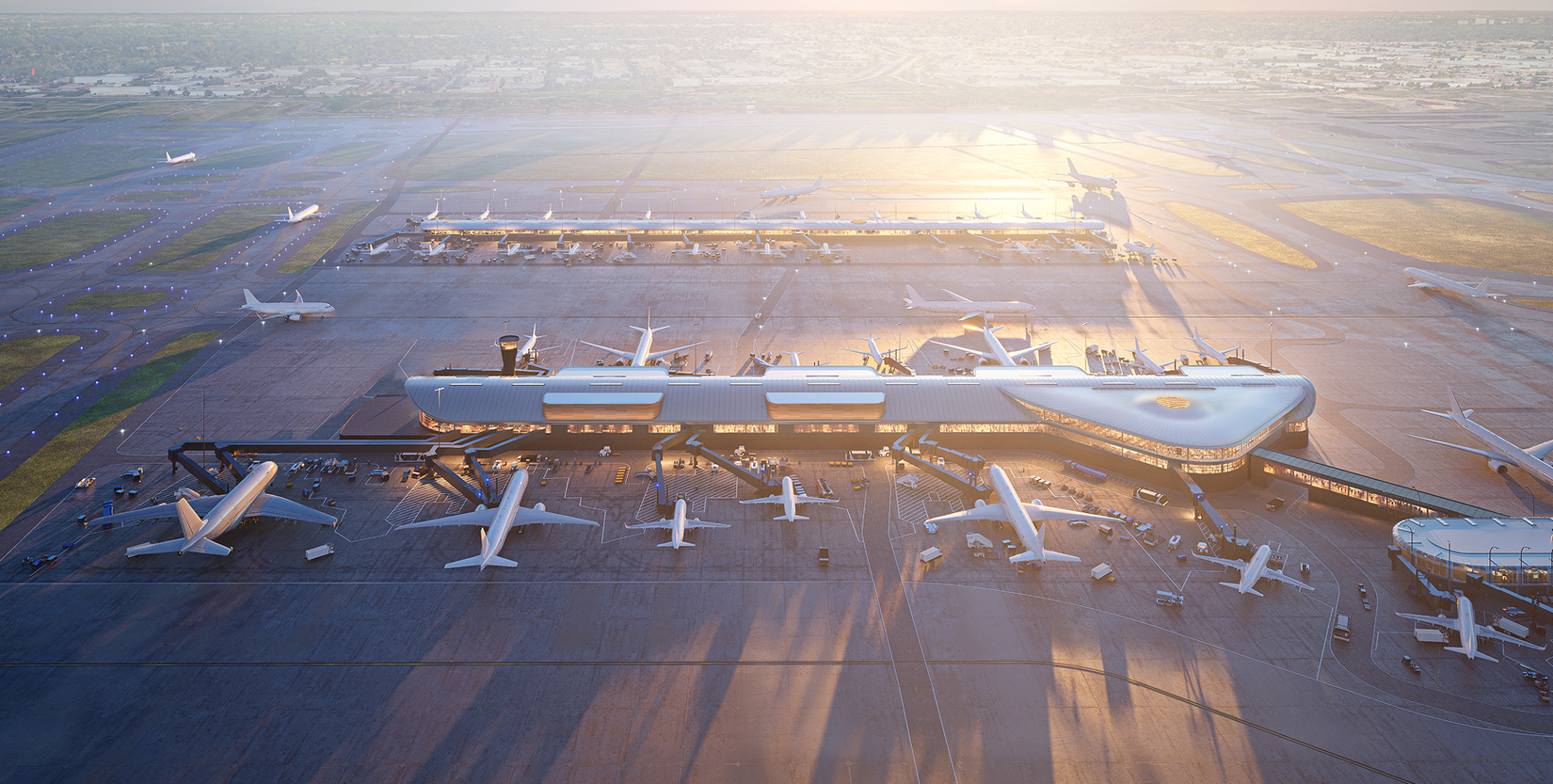
The United States aviation infrastructure is undergoing its most ambitious capital investment cycle in generations, with tens of billions of dollars committed to terminal replacement and expansion projects at the country's highest-traffic hubs. At John F. Kennedy International Airport alone, a $19 billion redevelopment program anchored by the $9.5 billion New Terminal 1 — the largest public-private partnership in US aviation history — will add 23 gates across 2.6 million square feet when construction completes between 2026 and 2030. Terminal 6, proceeding simultaneously on the airport's north side, will contribute another 1.2 million square feet and 10 gates while physically integrating with JetBlue's existing Terminal 5, creating a multi-facility complex designed to move passengers laterally without re-entering the security envelope. A separate $1.2 billion ground transportation overhaul accompanies these terminal projects, targeting the chronic surface congestion that has long undermined JFK's operational reputation. At Dallas/Fort Worth International, the $12 billion DFW Forward program is rebuilding Terminal C and constructing an entirely new Terminal F using modular off-site assembly techniques — mechanical and electrical systems fabricated remotely and transported across closed runways on self-propelled vehicles — a methodology explicitly chosen to compress construction timelines and limit disruption to the active airfield environment.
For airline crews and charter operators flying into JFK, the construction timeline through 2030 represents a sustained period of operational variability that demands heightened awareness during preflight planning and arrival briefings. Gate assignments, taxiway configurations, and ground movement procedures at major airports undergoing active construction routinely shift on short notice as phased demolition and new apron commissioning alter the published airport diagram. NOTAM discipline becomes non-negotiable, and crews should anticipate increased frequency of temporary flight restriction overlays, displaced thresholds, and revised taxi routing as the old Terminal 2 and Terminal 3 footprints are cleared and the new Terminal 1 apron is commissioned in stages. The integration of Terminal 5 and the new Terminal 6 into a unified JetBlue complex will also affect pushback and ground movement sequencing on the north side of the field, with ripple effects on departure metering and EDCT compliance during peak periods.
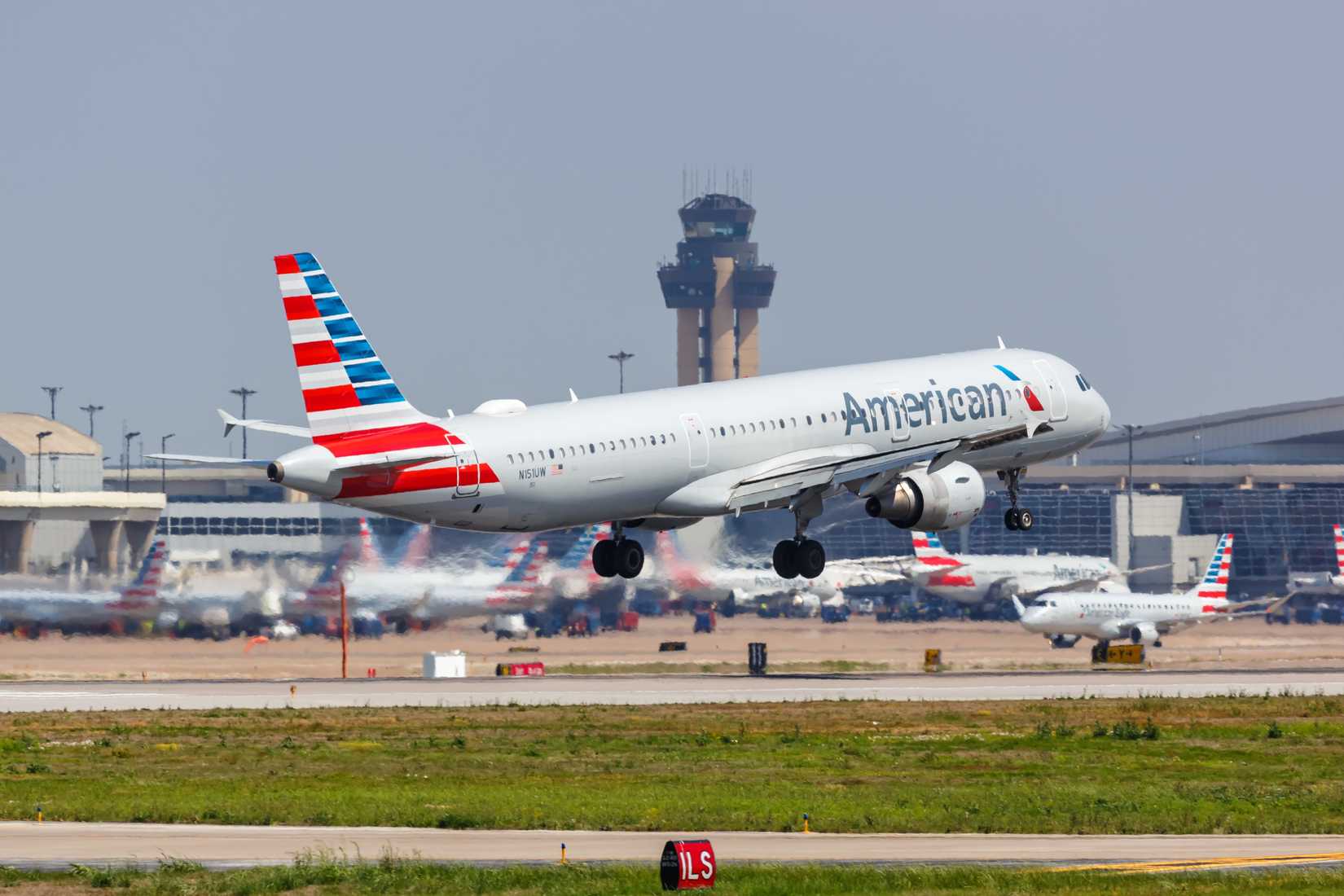
The DFW modular construction model carries specific implications for flight crews and ground handlers operating into that hub, as the use of closed runway segments for module transport introduces a variable that must be tracked through NOTAMs and coordinated with Dallas/Fort Worth Tower and Ground Control. While the methodology is designed to reduce active-operations interference, any technique that involves moving large structures across runway or taxiway pavement during operational hours creates periods of reduced airport movement capacity. Operators flying Part 135 charter or scheduled service into DFW should expect incremental gate availability changes as Terminal F opens in phases beginning in 2026, and airline dispatchers will need to incorporate the Terminal C renovation schedule into gate planning for American Airlines-operated flights, which depend heavily on that facility.
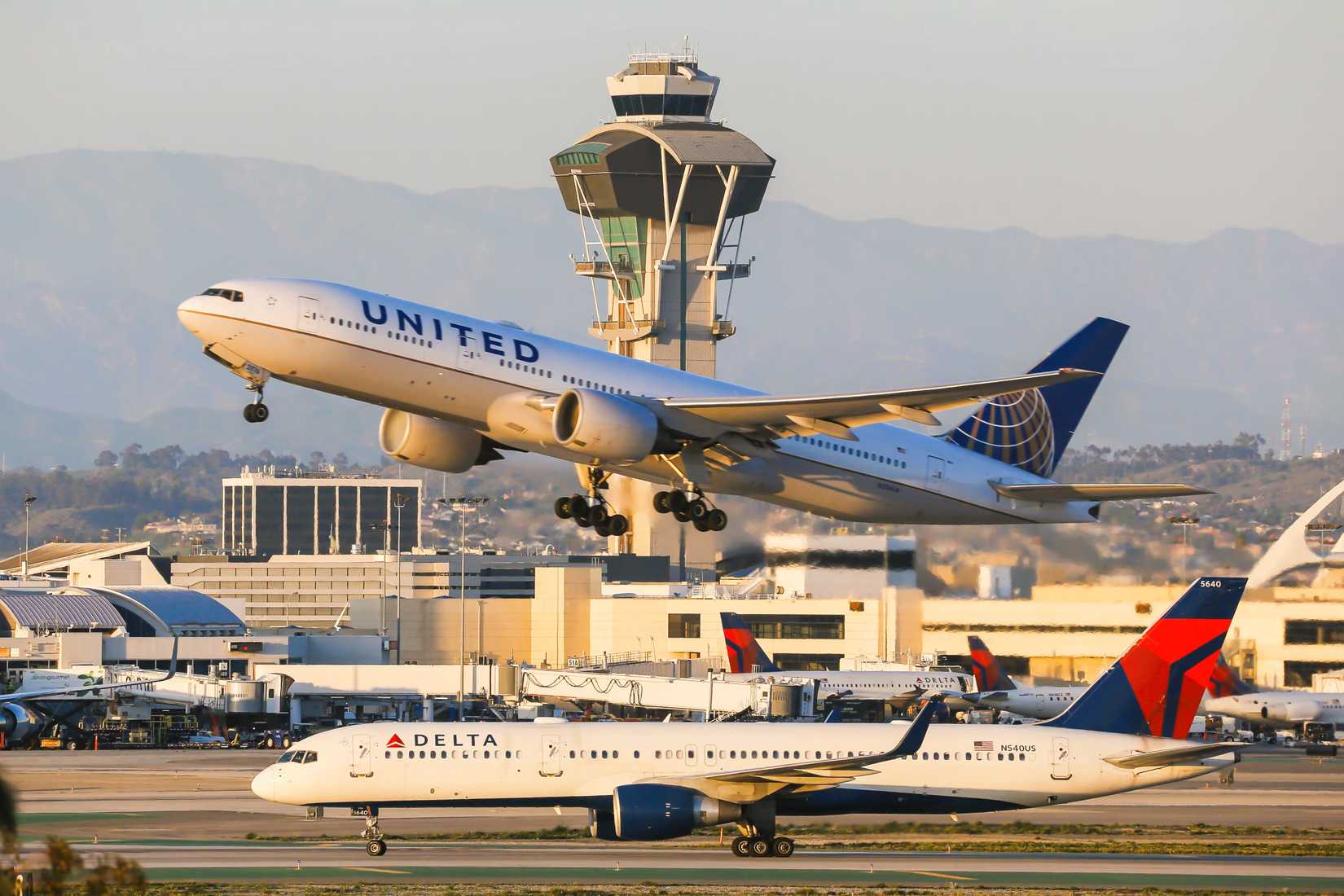
The broader investment wave reflects structural realities in US commercial aviation that directly shape the operational environment for all certificate holders. Record passenger volumes, the proliferation of wide-body international routes, and the increasing size of aircraft entering service — particularly the Boeing 777X and Airbus A350 variants now entering long-range fleet plans — are driving gate width, pavement load classification, and ground service equipment requirements upward in ways that Cold War-era infrastructure simply cannot accommodate. The competitive dynamic with international hubs in the Middle East, Asia, and Europe has accelerated this reckoning, as airlines weigh whether JFK and LAX can serve as credible origination points for premium international itineraries when the physical facilities lag behind Dubai, Singapore, or Doha. For corporate flight departments and Part 91K operators using major hubs for positioning or passenger uplift, the construction period introduces complexity, but the completed infrastructure will ultimately deliver improved ground transportation access, expanded FBO adjacency opportunities, and more predictable gate environments that reduce the turn irregularities that cascade into schedule disruptions.
The scale and financing structure of these projects also signal a durable shift in how US airport infrastructure gets built and managed. Public-private partnership models, exemplified by the New Terminal 1 consortium at JFK, distribute capital risk across private investors and airport authorities while allowing faster procurement timelines than traditional public bonding cycles permit. This structure is likely to become the dominant template for major terminal replacement projects at other constrained urban airports — including LAX, O'Hare, and potentially Miami — over the coming decade. For pilots and aviation operators, the practical consequence is a sustained multi-year period of construction activity at the country's busiest international gateways, followed by a fundamentally reconfigured operational landscape in which higher gate counts, improved taxiway geometry, and modernized ground infrastructure should translate into measurable reductions in the delay propagation and taxi congestion that currently inflate block times and fuel burn at JFK and DFW alike.

















 Read original article