Why Ryanair's CEO Is Warning That European Airlines Could Go Bankrupt This Summer
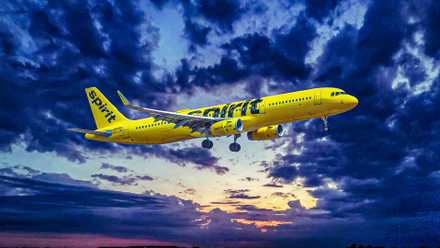
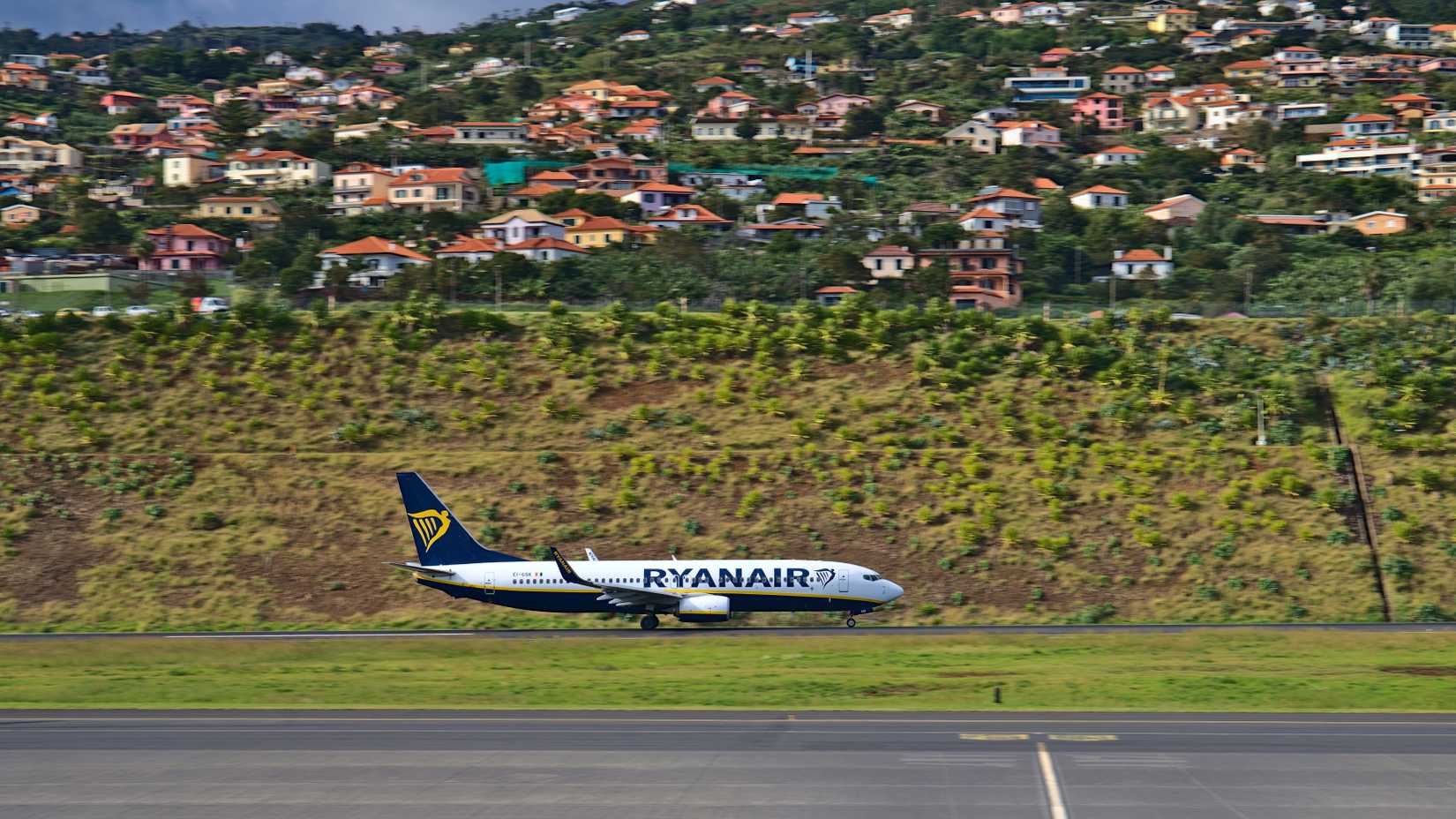
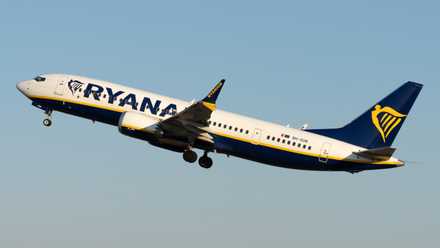
Ryanair CEO Michael O'Leary's warning that European airlines face potential bankruptcy carries both factual weight and calculated strategic intent. Delivered at the Norges Bank Investment Management conference in Oslo, his central claim rests on a concrete trigger: jet fuel prices have surged from approximately $80 to $150 per barrel following a blockade of the Strait of Hormuz, a chokepoint through which a significant share of global petroleum supply transits. O'Leary framed Ryanair as the continent's most insulated carrier, with 80% of its fuel hedged against price swings, while suggesting unnamed competitors lack comparable protection. The comment arrived against a backdrop of already-visible industry distress — Spirit Airlines ceased operations entirely on May 2, 2026, and Wizz Air reported a 61.7% year-on-year decline in operating profit alongside a 41.5% drop in net profit, figures that lend credibility to the broader concern even if the most dramatic casualties remain concentrated among carriers with pre-existing financial vulnerabilities.
For aviation operators and flight departments tracking cost structures, the Hormuz disruption represents a qualitatively different kind of fuel price event than standard market volatility. Unlike demand-driven or refinery-driven price swings, a geopolitical chokepoint blockade introduces sustained, structurally elevated costs with no clear resolution timeline. Airlines and large-cabin Part 91 and 135 operators that purchase fuel on spot markets or carry limited hedge positions are directly exposed. The $70-per-barrel increase cited by O'Leary — roughly an 87.5% spike from baseline — would materially alter trip costs, route economics, and fleet utilization decisions across virtually every segment of commercial and business aviation. easyJet's CEO acknowledged that the conflict directly worsened the airline's first-half financial performance despite strong passenger demand, illustrating that revenue strength alone is insufficient buffer when input costs surge this sharply.
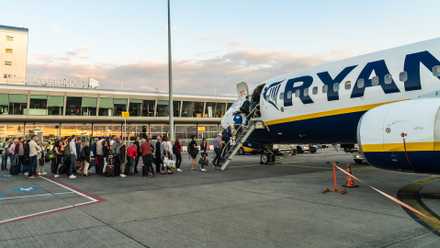
O'Leary's commentary, while grounded in real market data, also functions as competitive positioning. By publicly emphasizing Ryanair's hedge ratio and financial health — net profits in the first half of fiscal year 2026 rose approximately 42% to €2.54 billion — he is simultaneously reassuring investors, pressuring competitors, and signaling to airport and government counterparties that Ryanair retains negotiating leverage others may be losing. This is a familiar tactic among airline CEOs during periods of industry stress: declare strength while competitors visibly weaken, creating conditions for route captures, slot acquisitions, and favorable commercial terms. However, O'Leary's own strategic posture contains internal tension. Ryanair is simultaneously withdrawing its seven-aircraft base from Berlin Brandenburg Airport, citing unsustainable airport taxes. That decision — closing a base in one of Europe's highest-demand metropolitan markets — suggests the airline's operating calculus has shifted in ways that fuel hedging alone does not explain. If Ryanair were truly optimistic about near-term European demand, a profitable base withdrawal from Berlin would be difficult to justify on cost grounds alone.
The broader implication for aviation operators is that the current environment demands a simultaneous assessment of fuel cost exposure, route insurance costs, and the fragility of the competitive landscape in which their vendors, partners, and service providers operate. Ground handling companies, MRO providers, and fuel suppliers that depend on airline revenues are not immune to cascading effects if multiple European carriers encounter liquidity crises. Corporate flight departments that rely on commercial lift for crew positioning, passenger connections, or backup capacity should be scenario-planning around reduced schedule reliability and potential carrier exits from secondary or tertiary European routes. The historical pattern following major airline failures — slot reallocation, airfare spikes on affected routes, disrupted codeshare arrangements — typically unfolds over months rather than weeks, giving operators a narrow window to adjust travel programs before network effects become acute.
The situation also reflects the structural fragility of ultra-low-cost carrier models under sustained cost pressure. LCCs built on thin margins, high aircraft utilization, and ancillary revenue dependence have no natural shock absorber when fuel doubles. The ULCC sector, which had already faced headwinds from rising labor costs and post-pandemic normalization of yield expectations, now confronts a potential thinning of the European competitive field that could paradoxically benefit surviving legacy and hybrid carriers through reduced seat capacity and improved yield. For professional pilots watching the European employment market, the consolidation risk is real: a wave of airline failures, if it materializes, would temporarily increase pilot supply relative to available positions even as surviving carriers attempt rapid fleet and network expansion. The summer of 2026 may prove to be a defining inflection point for European aviation's post-pandemic competitive structure.















 Read original article