Here's How Much Quieter The Airbus A220 Is Compared To The Boeing 737 MAX At Takeoff
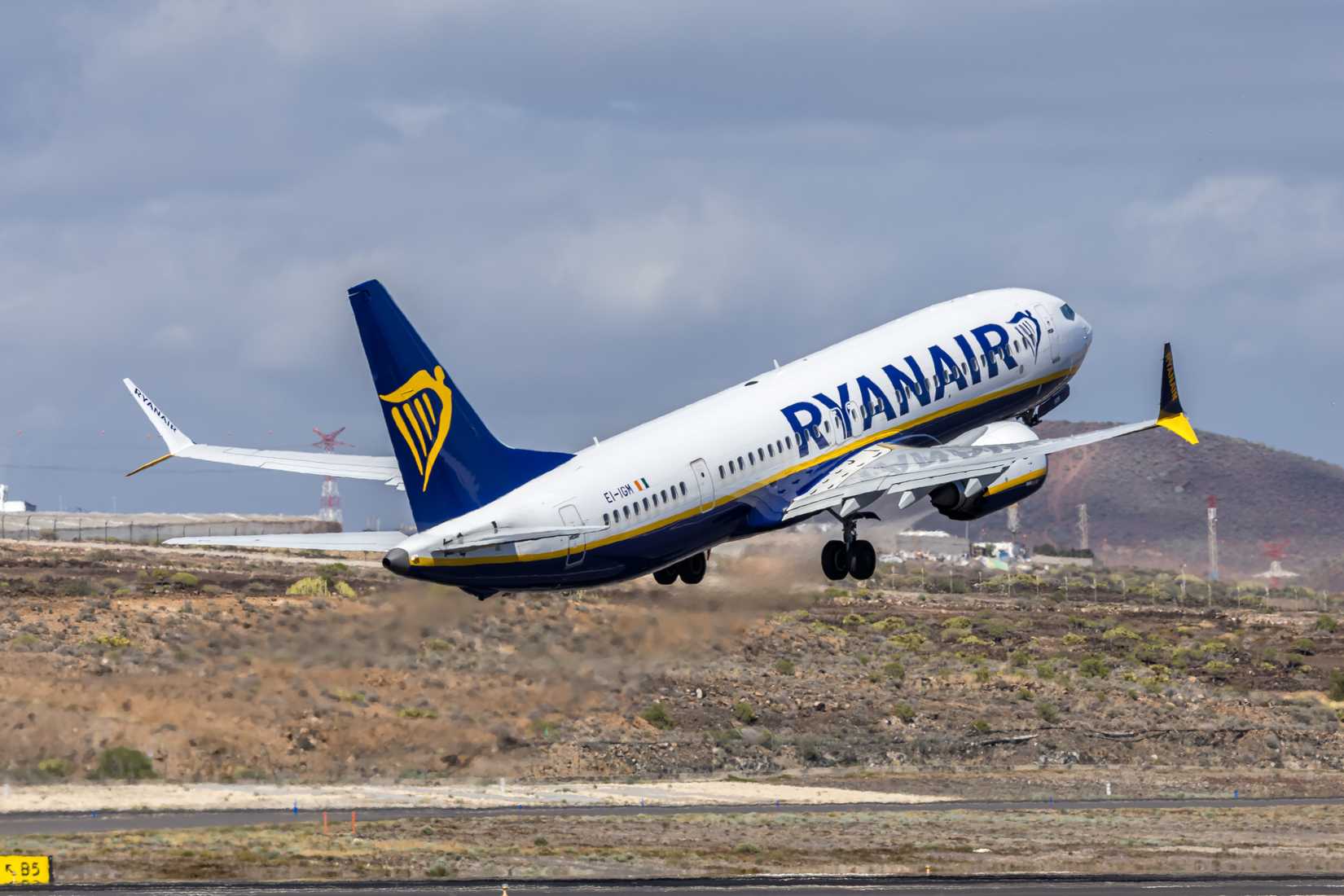
The Airbus A220 holds a measurable and perceptually significant acoustic advantage over the Boeing 737 MAX at takeoff, a gap that has practical implications for airline operators navigating increasingly stringent airport noise regulations. On takeoff, the A220 powered by Pratt & Whitney PW1500G geared turbofan (GTF) engines registers approximately 82 decibels, compared to the CFM LEAP-1B-powered 737 MAX at roughly 86.6 decibels — a difference that, due to the nonlinear way human hearing processes sound, translates to a perceived loudness three to four times greater for the Boeing. The root cause is architectural: the GTF's gear reduction system allows the front fan to rotate at a significantly lower speed than the core turbine, reducing both exhaust velocity and the supersonic fan-tip phenomenon that generates the characteristic buzzsaw tone in conventional high-bypass turbofans at high power settings. The 737 MAX's chevron nacelles and honeycomb acoustic liners partially mitigate that effect, and the aircraft is substantially quieter than its 737 Next Generation predecessor, but the platform cannot fully overcome the fundamental physics of its engine design.
The acoustic difference matters operationally beyond passenger comfort. Airports including London Heathrow, Amsterdam Schiphol, and major U.S. hubs operate under increasingly tight noise quota frameworks that assign each aircraft type a weighted noise charge per movement. Aircraft with lower certified noise footprints — measured through the ICAO Chapter 14 certification process — accumulate quota points more slowly, reducing per-cycle costs and, in some cases, enabling access to restricted slots during curfew hours. For fleet planners at Part 121 carriers and large charter operators, the A220's noise profile is a tangible economic factor alongside fuel burn and maintenance reserves. Flight crews operating the A220 will also note the distinctive acoustic signature described in the article — a low-frequency flute or whale-like tone produced during high-power climbs — which differs markedly from the A320 family or any Boeing narrowbody and has become something of an identifying characteristic of the type.
The more pressing operational concern for A220 operators is the ongoing Pratt & Whitney GTF powder metal contamination crisis, referenced in the article's closing section. Beginning in 2023, P&W disclosed that powder metal used in the manufacturing of certain high-pressure turbine and compressor discs was improperly processed, creating the potential for premature sub-surface cracking that could lead to uncontained engine failures. The fallout has been severe: hundreds of GTF-powered aircraft across multiple platforms — including the A220, A320neo family, and Embraer E2 series — have required accelerated inspections and in many cases extended ground time for part replacement. The recall cadence has forced airlines to temporarily remove significant portions of their narrowbody fleets from service, driving up wet lease costs and disrupting schedules globally. For crews and chief pilots at GTF-dependent operators, this has meant irregular aircraft availability, routing disruptions, and in some cases short-notice equipment substitutions.
The contrast between the A220's acoustic achievement and its engine reliability challenges illustrates a broader tension in modern commercial aviation: advanced propulsion technology capable of delivering step-change improvements in noise and fuel efficiency frequently carries elevated development and certification risk. The GTF platform represents the most significant turbofan architecture shift since the introduction of high-bypass engines in the 1960s, and P&W's manufacturing quality escapes have tempered what would otherwise be an unambiguous commercial success story. For operators and crews, the lesson embedded in the A220's trajectory is that evaluating a new-generation aircraft type requires weighting not just its certificated performance envelope but the maturity and supply-chain resilience of its propulsion system — a calculus that applies equally to the LEAP-powered MAX and to next-generation platforms now in development across the industry.











 Read original article