Still On Track? How Aircraft Delivery Delays Are Affecting Aviation's 2050 Net-Zero Goal
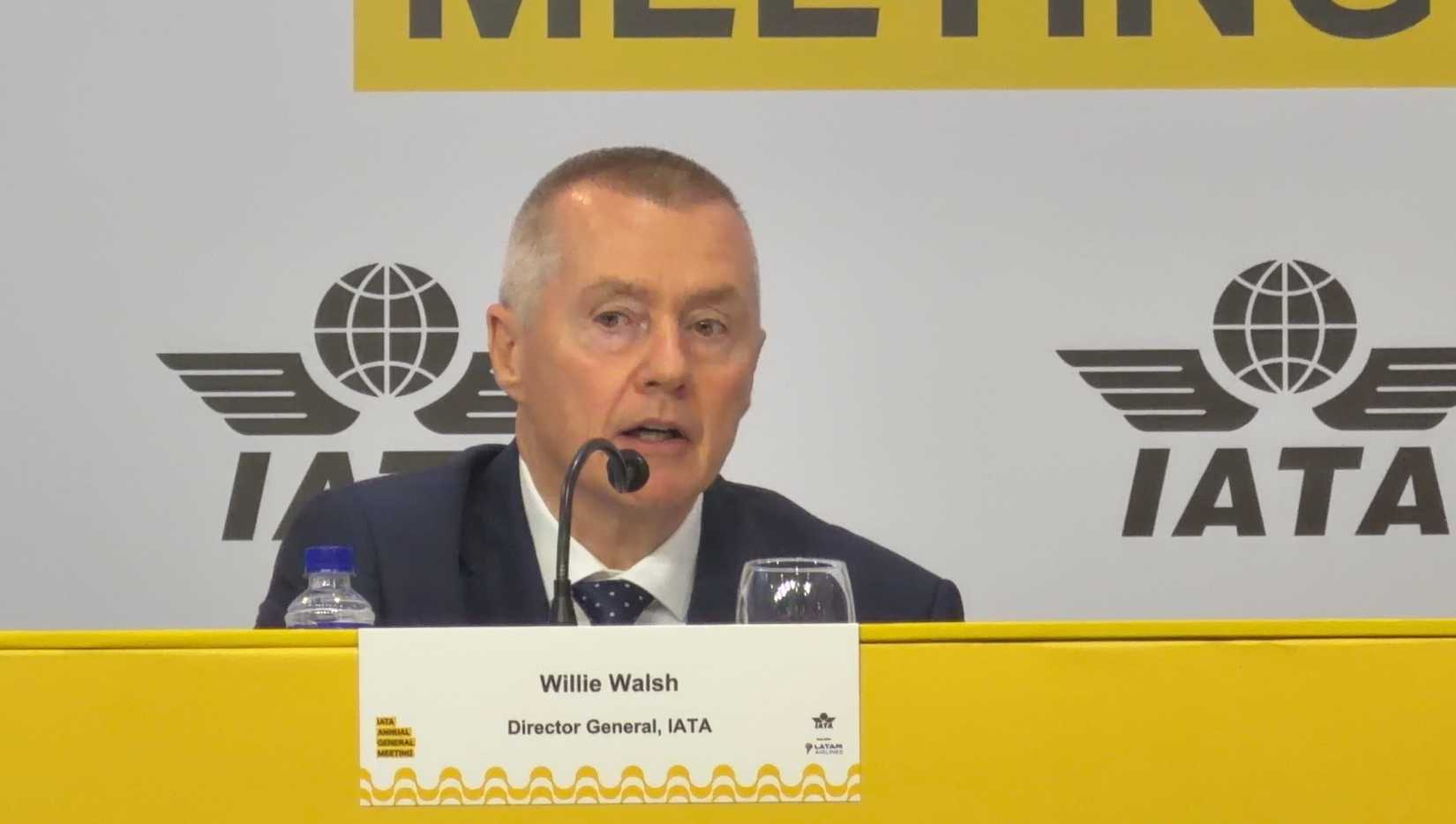
Aviation's 2050 net-zero carbon commitment, ratified by IATA member airlines at the association's 77th Annual General Meeting in October 2021, is facing mounting structural pressure as the gap between aircraft orders and actual deliveries continues to widen. IATA outgoing Director General Willie Walsh acknowledged at the 82nd AGM in Rio de Janeiro that while the target remains "still possible," the industry is "clearly off track." The roadmap envisions a multi-pathway abatement strategy in which sustainable aviation fuel accounts for 65% of required emissions reductions, new propulsion technologies such as hydrogen contribute 13%, operational efficiency improvements add 3%, and the remainder is addressed through carbon capture and offsets. The scale of the challenge is substantial — IATA projects approximately 10 billion passengers annually by 2050, requiring the abatement of roughly 1.8 gigatons of carbon in that year alone.
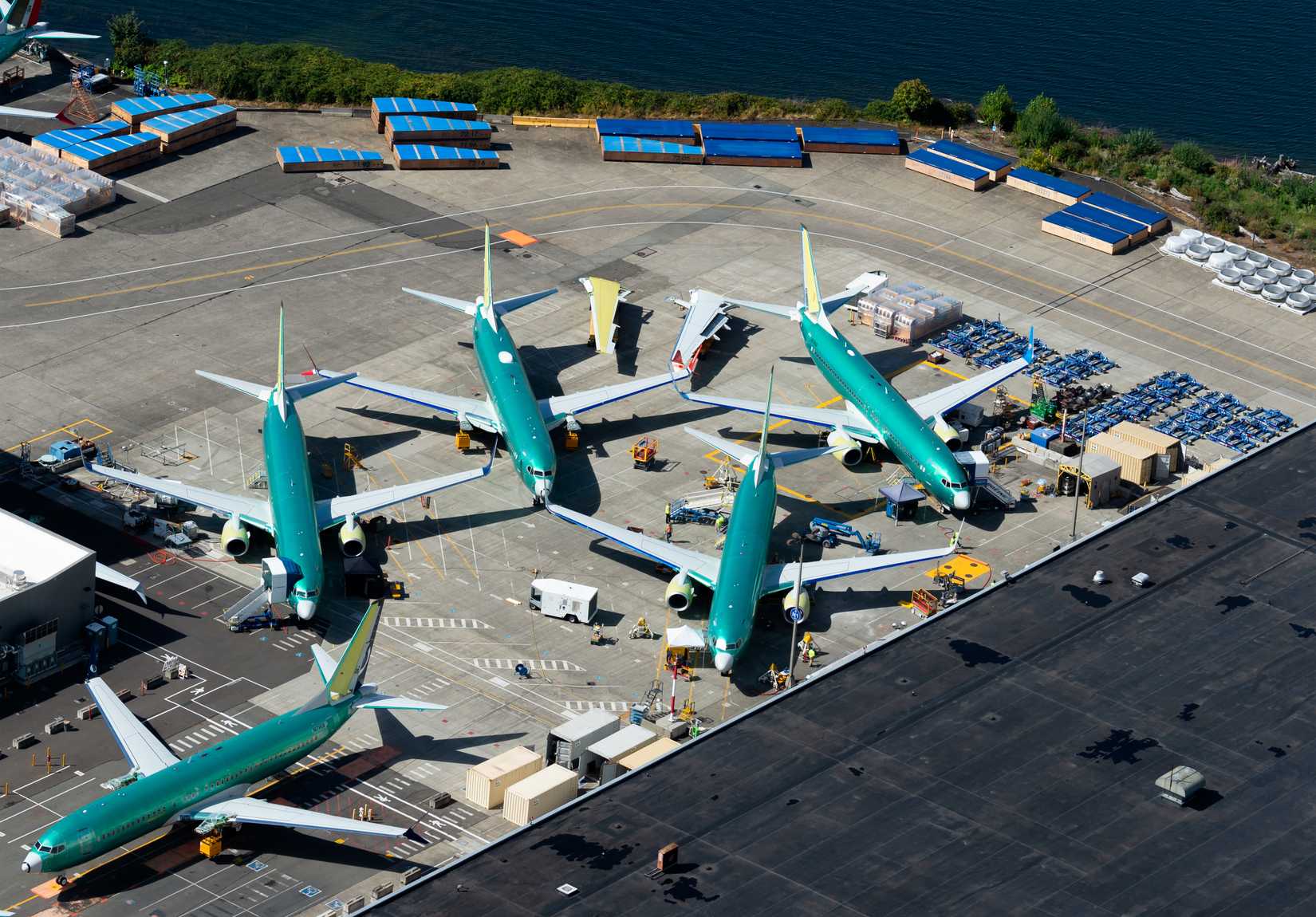
Fleet renewal is the most direct lever airlines can pull to reduce emissions in the near term, and that lever is currently stuck. Modern narrowbody aircraft such as the Airbus A320neo family deliver approximately 15% better fuel efficiency than previous-generation equivalents, translating directly into lower per-seat carbon output and meaningfully reduced operating costs. When airlines are forced to retain older, less efficient aircraft beyond their planned replacement dates, fuel burn and associated emissions rise across every sector flown. The global commercial aircraft backlog has now surpassed 18,000 units, yet manufacturers delivered only 261 aircraft in Q1 2026 — roughly 4% fewer than the same quarter in 2025 — despite that period producing the strongest first-quarter order intake since 2013. The divergence between demand and delivery output is not a short-term anomaly; it reflects deep structural dysfunction that has persisted since the post-pandemic production ramp.
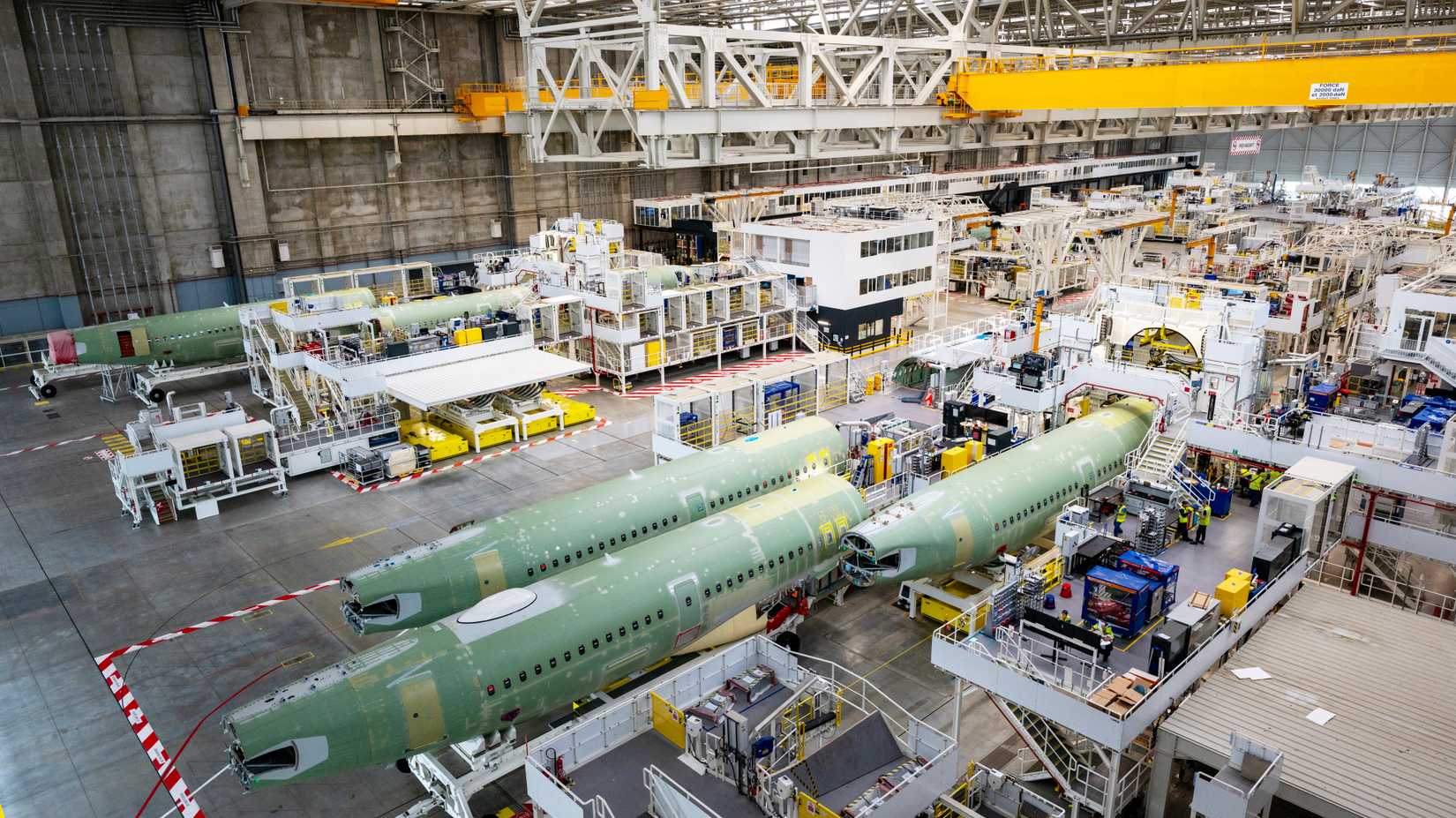
The root cause of the delivery shortfall is a supply chain that was deliberately contracted during COVID-19 and has proven far slower to rebuild than air travel demand itself. Manufacturers and their supplier networks shed workers and wound down production lines between 2020 and 2021, a rational response to a demand collapse that in practice created a severe mismatch when passenger traffic rebounded faster than most models projected. The resulting skilled labor shortages, component bottlenecks, and supplier capacity constraints have cascaded through multiple tiers of the manufacturing chain and show no signs of rapid resolution. A concurrent wave of early retirements among experienced aerospace workers during the pandemic further compressed the experienced labor pool, compounding delays at both the airframe and engine levels.
For working pilots and aviation operators — whether at Part 121 carriers, Part 135 charter companies, or business aviation flight departments — the operational and financial consequences are tangible and immediate. Airlines retaining older fleets face higher maintenance costs, increased unscheduled downtime, and fuel burn penalties on every flight that inflate direct operating costs. Corporate and business jet operators face analogous dynamics, as delays affecting new business aircraft programs push residual values on older aircraft unpredictably while forcing operators into costly bridge maintenance decisions. The regulatory environment is also tightening: jurisdictions including the European Union are advancing SAF blending mandates and expanding carbon pricing mechanisms under CORSIA, meaning operators flying older, less efficient aircraft face compounding cost exposure from both fuel burn and compliance obligations.
The broader trajectory reveals a structural tension at the heart of aviation's decarbonization ambition. The industry's net-zero framework presupposes continuous fleet modernization as a near-term emissions bridge while longer-term solutions — hydrogen propulsion, electric aircraft, advanced carbon capture — mature over coming decades. When that bridge is delayed by manufacturing dysfunction, the gap that SAF, offsets, and operational efficiency improvements must fill grows larger and more expensive to close. Walsh's acknowledgment that airlines cannot achieve net-zero unilaterally — and his pointed criticism of OEM delivery performance — signals that accountability for the 2050 target is being redistributed across the value chain. The pressure on Airbus and Boeing to stabilize and accelerate production is therefore not merely a commercial concern for airlines; it has become a central variable in the credibility of the entire industry's climate commitment.







 Read original article