Baggage Delays Strand 800 at Orlando Airport for 5+ Hours, Passengers Threatened With Arrest for Leaving
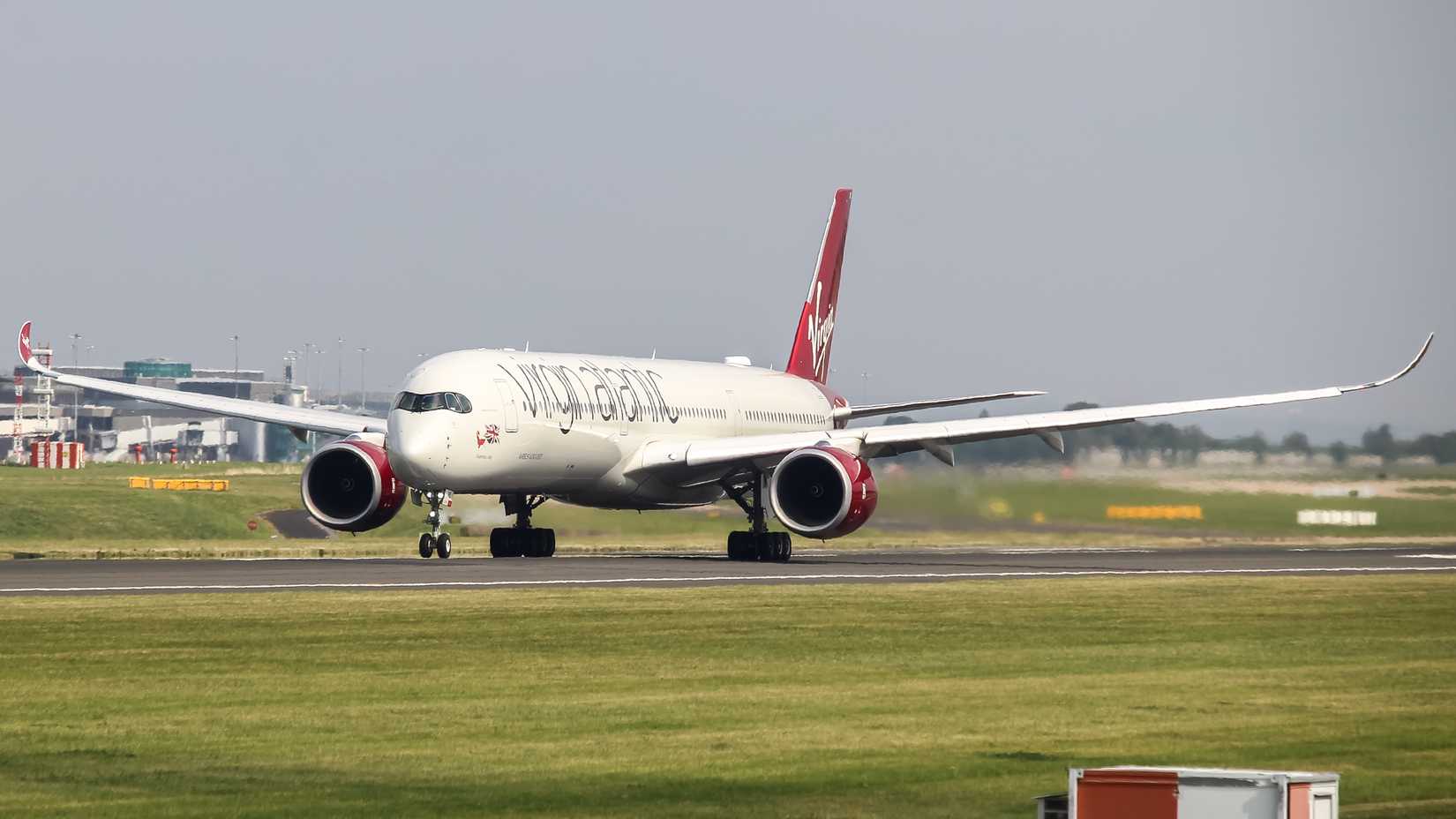
A severe baggage handling failure at Orlando International Airport (MCO) on June 27, 2026, left more than 800 international passengers stranded in the customs and baggage claim area for over five hours, exposing critical vulnerabilities in large-hub ground operations when weather disruptions compound across multiple simultaneous widebody arrivals. Four Virgin Atlantic flights arriving from the United Kingdom were affected, with passengers from the first flight landing around 7:00 PM local time and still waiting past midnight for their checked luggage. Airport officials, citing weather conditions that halted ramp crews from safely offloading aircraft, instructed passengers to remain in the baggage hall under threat of arrest — a warning grounded in U.S. Customs and Border Protection regulations that prohibit international arrivals from leaving without claiming their checked bags. The "no unaccompanied bags" rule exists to prevent unsupervised baggage from entering sterile airport environments and to maintain the integrity of the customs inspection process, meaning the threat of enforcement action, while startling to passengers, reflected genuine legal authority rather than arbitrary policy.
The operational dynamics behind this incident are instructive for pilots and operators conducting transatlantic flying into major U.S. gateways. Ramp operations at large international airports are highly weather-sensitive, and a temporary ground stop or work slowdown triggered by lightning advisories or sustained convective activity can rapidly cascade across multiple inbound widebodies that are all demanding ground crews simultaneously. MCO, as a major leisure destination, routinely handles high-frequency long-haul arrivals from the United Kingdom, particularly from Virgin Atlantic and British Airways, meaning that a single weather event affecting ground handling capacity has an outsized effect on passenger volume. The convergence of four Virgin Atlantic arrivals under these conditions overwhelmed what appears to have been an already constrained baggage handling resource pool, and the lack of adequate infrastructure in the customs area — no seating, no food service, no passenger relief options — turned a manageable delay into a humanitarian concern, evidenced by at least one medical collapse requiring emergency response.
For aviation operators, particularly those managing charter or private international operations into U.S. airports, this incident highlights the importance of understanding CBP requirements as a dispatch and passenger briefing consideration rather than purely a formality. Crews operating Part 135 international charters or business jet flights under Part 91 need to ensure passengers are fully informed before arrival that checked bags cannot be abandoned at the carousel regardless of delays, and that CBP regulations bind all international arrivals equally. The absence of flexibility in this framework — even under extreme conditions — means that operators who brief passengers proactively avoid the kind of hostile confrontation with airport officials that Virgin's passengers experienced. FBO operators at international airports with customs facilities should also take note of the infrastructure gap this event revealed: the absence of passenger amenity options inside customs holding areas is a systemic design problem at many major airports that becomes acutely visible only during extended delays.
The broader trend this incident reflects is the growing strain on ground handling operations at high-volume leisure aviation hubs, particularly as transatlantic traffic has recovered and grown well beyond pre-pandemic levels. Airports like MCO that have historically been optimized for domestic volume are managing an increasingly dense schedule of widebody international arrivals with ground service infrastructure that has not scaled proportionally. Virgin Atlantic's imminent shift from Terminal A to Terminal C at MCO, scheduled for July 1, 2026, may address some capacity concerns, but terminal changes alone do not resolve the fundamental staffing and equipment shortfalls that make weather disruptions so operationally fragile. Airlines and airport authorities across the industry are contending with contracted ground handling arrangements that leave little surge capacity, and incidents like the June 27 event at MCO serve as high-visibility evidence that the current model carries meaningful passenger welfare risk when conditions deviate from plan.











 Read original article