Why In The World Are New Boeing Fuselages Green?
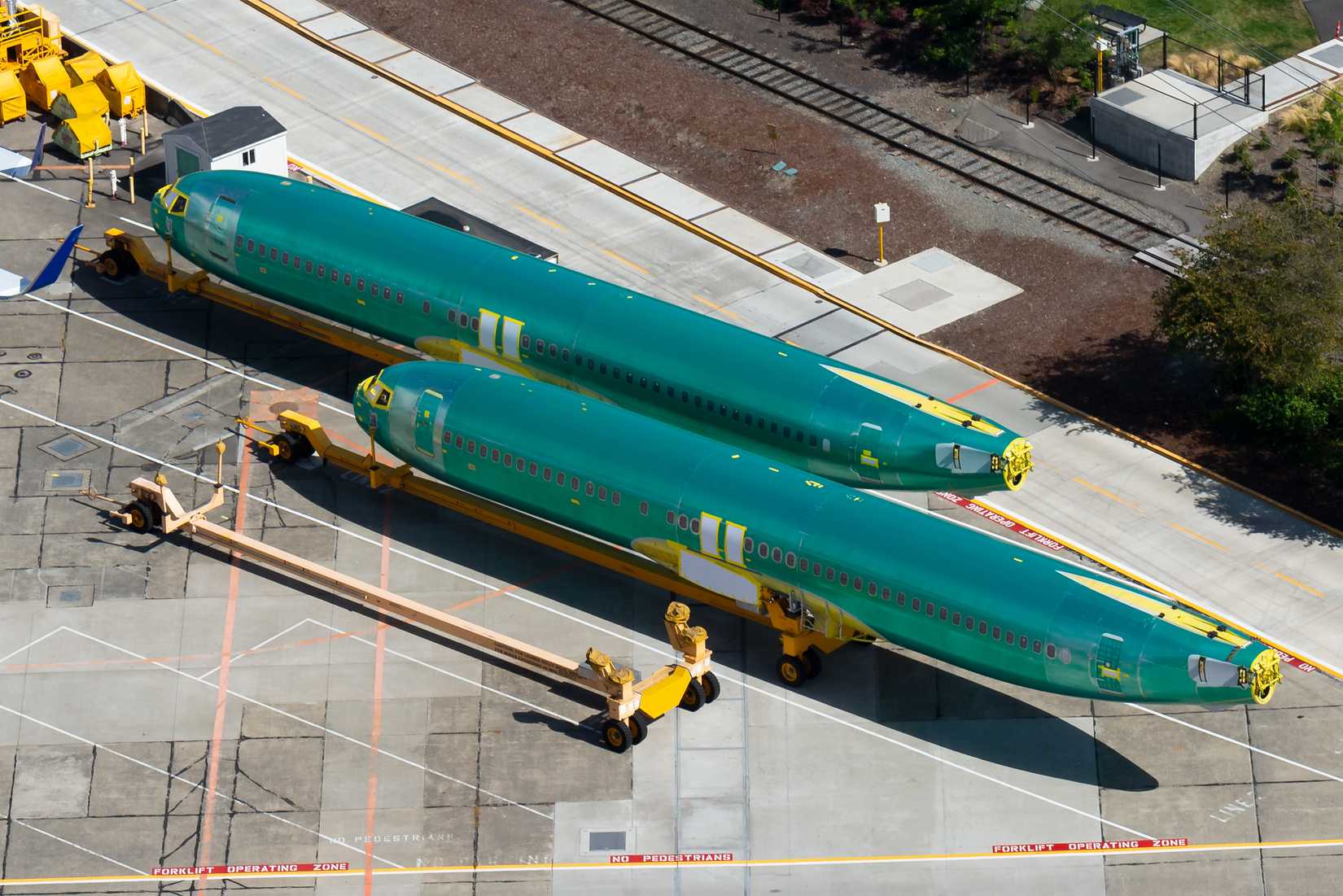
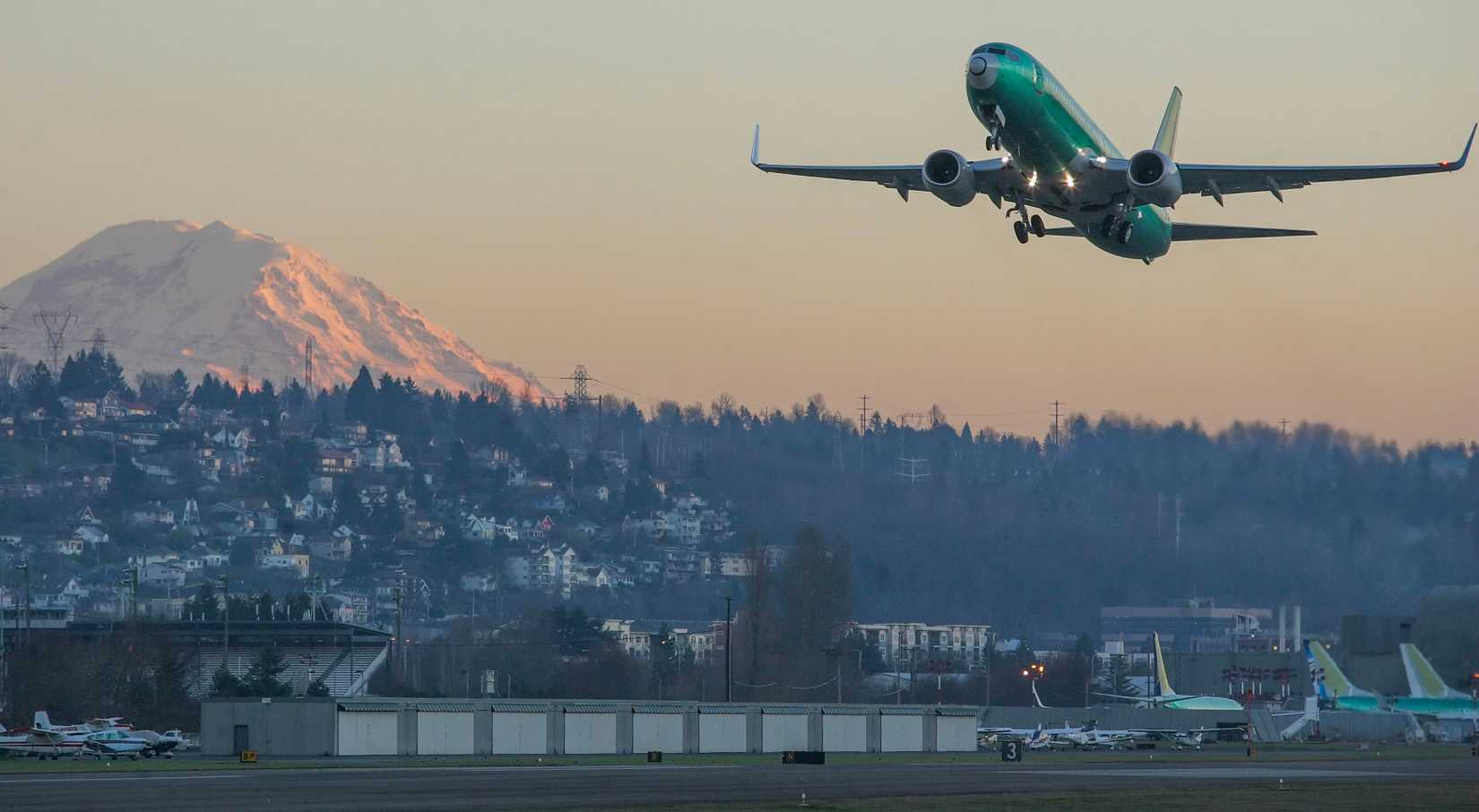
Boeing fuselages arrive at the Renton, Washington assembly facility with their distinctive matte green finish not by design aesthetic but by industrial necessity — the color is the visible result of a dual-layer corrosion defense system that protects aluminum airframes from the moment they leave the factory floor to the moment final airline livery is applied. The primary layer is a zinc chromate anti-corrosive primer that is naturally yellow in its base chemical state. Engineers deliberately mix carbon-based lamp black pigments into that primer to create UV-blocking properties, and the resulting compound appears in various shades of green depending on the concentration of lamp black used. A second layer — a thin green-tinted vinyl film — wraps the exterior of fuselages in transit, particularly the 737 sections traveling by rail from Spirit AeroSystems' Wichita, Kansas facility across multiple climate zones to Puget Sound. That film acts as a mechanical barrier against debris, moisture, and abrasion during a journey that can expose raw aluminum to road grime, tree branches, and temperature swings before a single rivet is driven in Washington State.
The variation in shade across a single assembled aircraft reflects the reality of modern global supply chains. Because a Boeing 737 incorporates components sourced from dozens of suppliers across multiple countries, each operating under their own environmental regulations and applying their own approved primer formulations, a completed green fuselage is rarely a uniform color. Interior components that never see direct sunlight may retain the natural yellow of uncarbonated primer, while exterior skins and structural panels exposed to weeks of outdoor staging carry a significantly darker, more UV-hardened green. The shade differential is not a quality control failure — it is a direct indicator of how much UV protection each component requires based on its exposure profile. Inspectors and maintenance engineers use this high-contrast green surface as a diagnostic canvas, scanning for hairline cracks, oil intrusion, damaged rivets, and crevice corrosion that would be effectively invisible against a polished or mirrored aluminum surface.
For working pilots and operators, the primer system connects directly to long-term airworthiness and maintenance economics. The article's reference to American Airlines' polished aluminum strategy illustrates a tension that aircraft operators still navigate today: the weight savings from unpainted metal are real and quantifiable — roughly 1,200 pounds on larger airframes — but the labor cycle required to prevent crevice corrosion on a bare metal surface runs every 90 to 120 days, a burden that most commercial and charter operators find economically unsustainable over a multi-decade airframe life. American's 2013 transition to a painted livery effectively closed the debate for high-utilization commercial operators, and the logic extends directly to Part 135 and corporate flight departments operating aircraft on tight maintenance schedules where unplanned corrosion treatment represents both cost exposure and AOG risk.
The emergence of composite-heavy platforms like the Boeing 787 Dreamliner adds a further dimension to this discussion. Carbon fiber reinforced polymer structures do not corrode in the electrochemical sense that aluminum does, which is why the 787's green primer story diverges from the narrowbody narrative. Raw composite panels present a dull, dark grey surface that cannot be buffed to a chrome finish with any consistency, making uniform paint application across a mixed-material fleet the only practical path to consistent brand livery. For operators running blended fleets of aluminum narrowbodies and composite widebodies — a common configuration for major carriers and some large charter operators — this means standardizing on painted exterior maintenance programs regardless of substrate. The inspection logic also transfers: a painted surface over composites still provides the high-contrast background that makes surface anomalies, disbonds, and impact damage sites easier to identify during walk-around and scheduled structural checks. The green that pilots see on a rail-bound fuselage is, in that sense, the earliest expression of a quality control philosophy that follows the aircraft through its entire service life.









 Read original article