Why Boeing May Restart A C-17 Globemaster Production Line It Shut Down 11 Years Ago
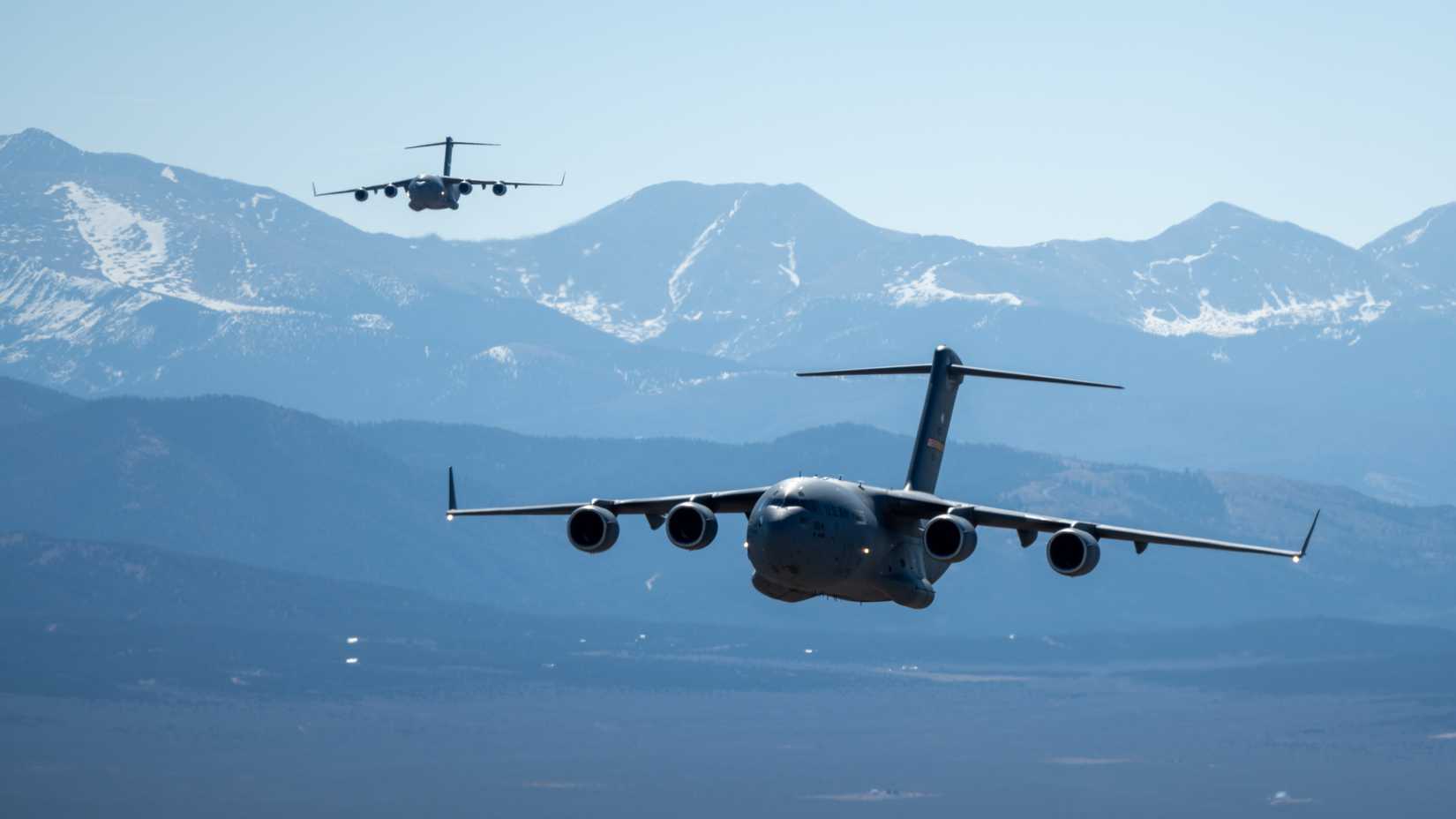
The C-17 Globemaster III production restart debate has moved from speculative industry chatter to formal congressional directive, marking a significant shift in how the United States military views its long-term strategic airlift capacity. Congress has directed the Secretary of the Air Force to deliver a feasibility briefing no later than March 1, 2027, covering tooling status, supplier base viability, workforce availability, reconstitution costs, and projected delivery timelines for new aircraft. Boeing delivered its final C-17 in 2015 after producing 279 airframes — 223 for the U.S. Air Force — and has not manufactured a strategic airlifter since. The House Armed Services Committee's language is direct: the existing fleet faces operational demands severe enough to raise questions about sustaining it through its projected service life endpoint of 2075, with recent operations such as Operation Epic Fury cited as accelerating airframe fatigue and wear across the fleet.
The strategic context driving this discussion is considerable. The United States operates an unmatched global expeditionary posture, with forward bases across the Middle East, Europe, and the Indo-Pacific requiring continuous logistical support. While bulk tonnage moves by sea, time-sensitive cargo, outsized military equipment, and rapid-response resupply missions depend entirely on strategic airlift. Russia fields the Il-76, China has fielded the Y-20 in growing numbers, and Europe produces the smaller A400M Atlas — meaning every major military power with global or regional ambitions has maintained active airlifter production while the U.S. has not. The USAF's strategic airlift backbone consists exclusively of the 222 remaining C-17s and a smaller fleet of C-5M Super Galaxies, neither of which has a domestic production replacement waiting in the pipeline. This gap has elevated the C-17 restart from a procurement preference to a national security conversation.
For aviation operators outside the military, the restart discussion carries meaningful implications. Restarting a shuttered production line after eleven years is not a matter of flipping a switch. Supplier chains dissolve, tooling degrades or is destroyed, and specialized workforces disperse into other industries. Boeing would need to reconstitute an entire manufacturing ecosystem — a process that typically costs billions before a single airframe rolls out. Congressional interest in international partners contributing to restart costs signals an awareness of this financial reality, and the existing export operator base — including Australia, India, Qatar, the UAE, and the United Kingdom — represents potential customers who might share procurement costs. The feasibility briefing's requirement to examine international interest is a practical acknowledgment that a unilateral U.S.-funded restart may be politically and fiscally difficult to justify without allied participation.
The committee's simultaneous interest in alternatives reflects the complexity of the problem rather than any serious intent to abandon the C-17 solution. Proposals such as the Radia Windrunner — a massive cargo aircraft designed for outsized loads and unprepared strips — and the JetZero blended-wing-body demonstrator remain developmental and years away from operational service. Commercial cargo adaptations of the Boeing 767 or the upcoming 777-8F could supplement Civil Reserve Air Fleet capacity for standard palletized cargo but cannot replicate the C-17's ability to deliver outsized military equipment into austere or semi-prepared airfields. The C-17's combination of strategic range, large cargo volume, and tactical field performance — including its ability to operate from short, unprepared strips — remains operationally irreplaceable in the current inventory. For business aviation and commercial operators, the broader takeaway is that defense procurement cycles and civil aviation manufacturing are deeply intertwined: a Boeing C-17 line restart would represent a major industrial commitment that would affect Boeing's production priorities, supplier networks, and workforce allocation across its entire product family at a moment when the company is already managing constrained capacity on its commercial programs.










 Read original article