Electric-Aircraft Battery Developer H55 Reduces Workforce
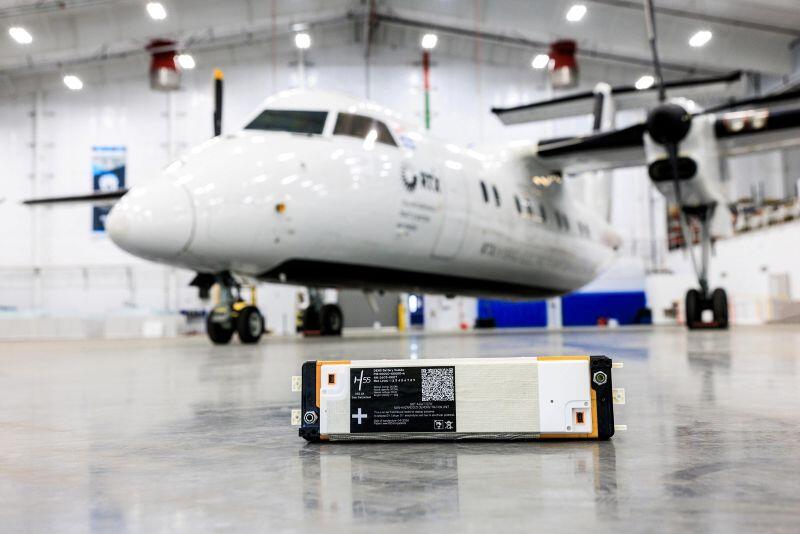
H55, the Swiss energy storage startup founded by Solar Impulse veterans André Borschberg and Gregory Blatt, has announced a significant restructuring that cuts its Sion-based workforce roughly in half — 54 positions eliminated versus an originally projected 80 — as the company recalibrates its commercialization strategy. Despite having raised more than $120 million in combined capital and non-dilutive funding, the company finds itself caught in the same commercialization gap that has claimed or diminished numerous electric propulsion ventures: the transition from technically validated development programs to revenue-generating production contracts. H55 is not exiting the market entirely; it retains its Swiss headquarters and R&D infrastructure at Sion Airport and the Chandoline industrial area, and it plans to gradually expand manufacturing headcount at its Montreal facility as customer programs advance. Critically, the company completed EASA propulsion battery module certification testing in January and delivered certification-grade modules to Pratt & Whitney Canada in June for the RTX Hybrid-Electric Flight Demonstrator, a program currently scheduled for first flight in 2027.
For working pilots and aviation operators, the H55 restructuring is significant less as an isolated business event than as a signal about the realistic near-term timeline for electric and hybrid-electric aircraft entering commercial service. Programs like the RTX Hybrid-Electric Flight Demonstrator and H55's ongoing collaboration with Harbour Air — which has long pursued an all-electric seaplane operation — remain active, but the pace of certification and commercialization is clearly slower and more capital-intensive than the industry projected even three years ago. Operators who had been tracking electric or hybrid-electric type introductions as potential near-term fleet additions — particularly in the commuter, floatplane, and regional sectors — should treat those timelines as materially elongated. The gap between "it works" and "it's certified, insurable, supportable, and economically viable in line operations" continues to be the defining challenge.
The broader pattern across the electric aviation sector reinforces this assessment. Maeve Aerospace, a Dutch developer of hybrid-electric regional airliners, was declared bankrupt in May 2025. ZeroAvia has halved its own workforce, shuttered U.S. operations, and pivoted toward hydrogen fuel-cell systems for defense unmanned aircraft — indefinitely deferring its civilian powertrain roadmap. VoltAero was acquired by Aura Aero, consolidating two French startups whose futures remain tied to defense contracts and the slow maturation of the electric trainer market. The common thread across these cases is the migration of investor capital toward artificial intelligence, which has sharply reduced the risk appetite for long-horizon aerospace ventures that require decade-scale development cycles and regulatory pathways before generating returns. Electric aviation has not lost its technical credibility; it has lost competition for capital against a sector with faster and more visible returns.
The defense market's emergence as a de facto lifeline for the electric propulsion sector has direct implications for how these technologies eventually reach civil aviation. H55's CEO Rob Solomon specifically cited demand from aircraft manufacturers for certifiable energy storage, hybrid-electric propulsion, and energy management solutions — language that points toward uncrewed defense platforms as the primary near-term customer. This mirrors ZeroAvia's pivot and Aura Aero's military uncrewed vehicle plans. For professional pilots, the practical consequence is that defense applications are now the proving ground for the propulsion architectures and battery certification frameworks that will eventually underpin civil electric aircraft. The technical credibility established in military programs may accelerate civilian certification pathways later in the decade, but operators should not expect near-term availability of certified electric or hybrid-electric commercial aircraft at scale. The industry's trajectory in 2025 and 2026 reflects a necessary but painful consolidation phase, and the companies that survive it — H55 among them, if its Montreal manufacturing ramp materializes — will be positioned to serve a civil market that remains years away from broad deployment.








 Read original article