The Last Lockheed C-121 Constellation Still Airworthy
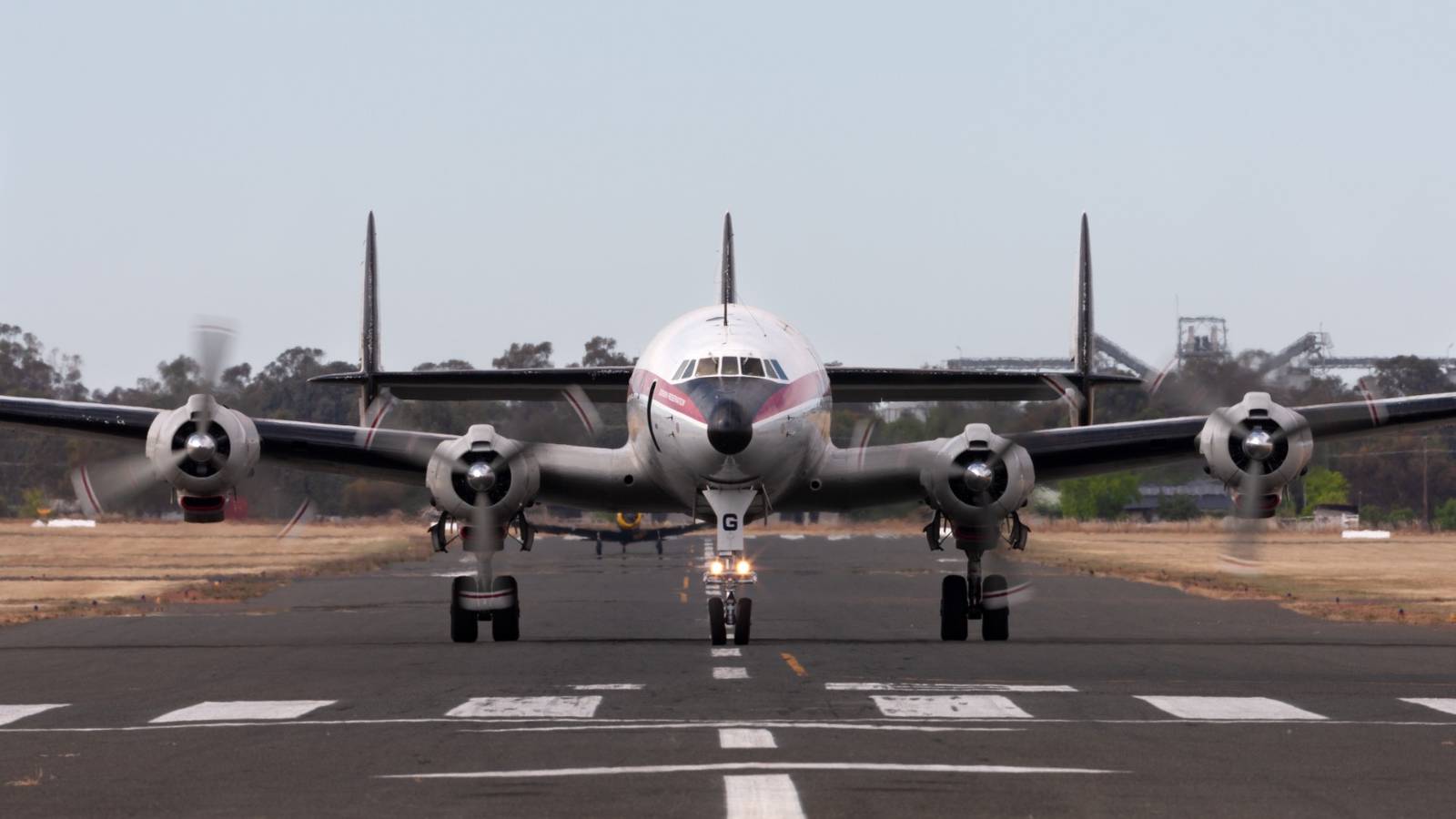
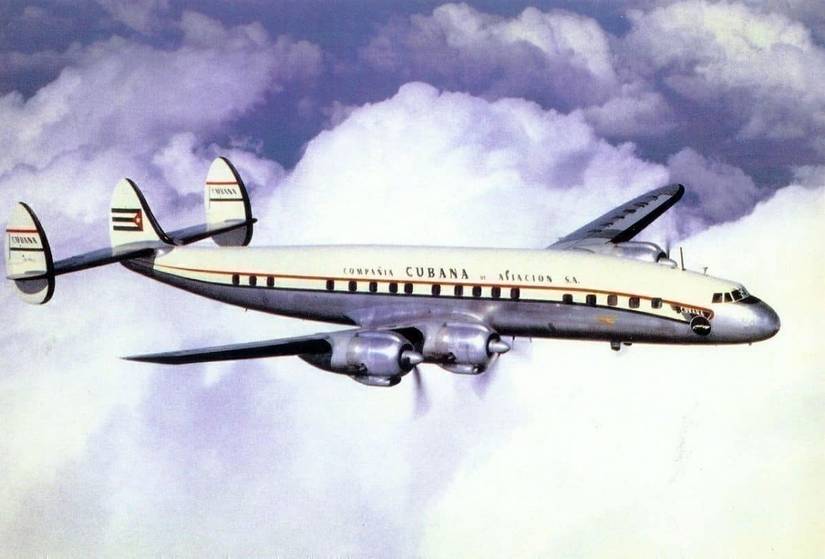
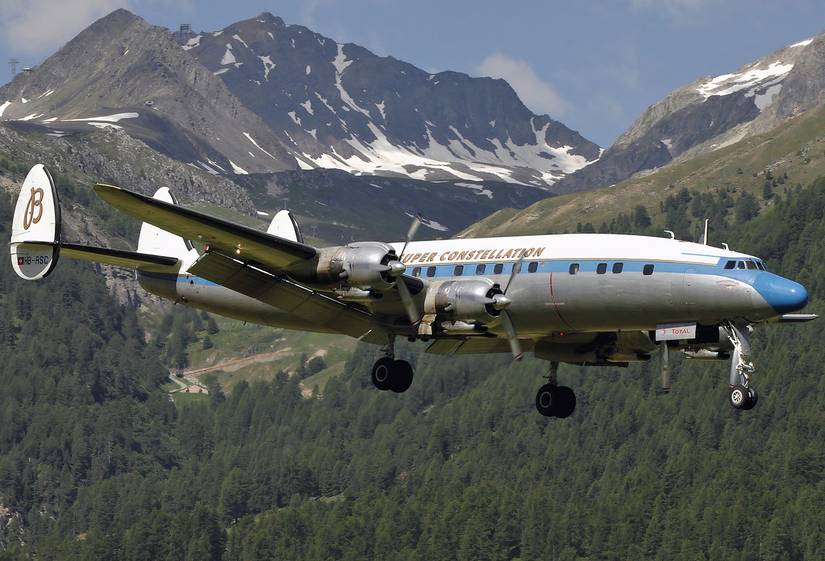
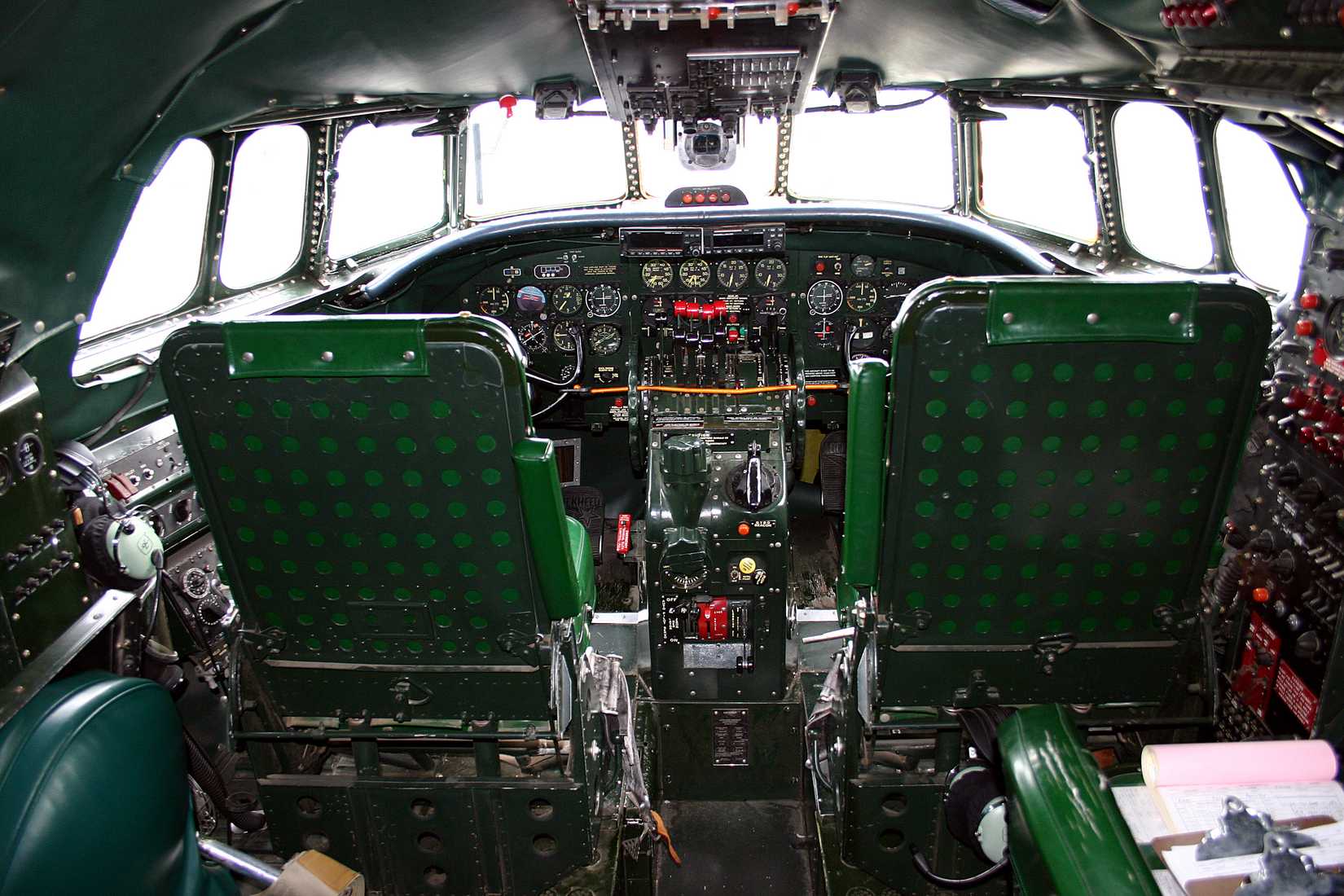
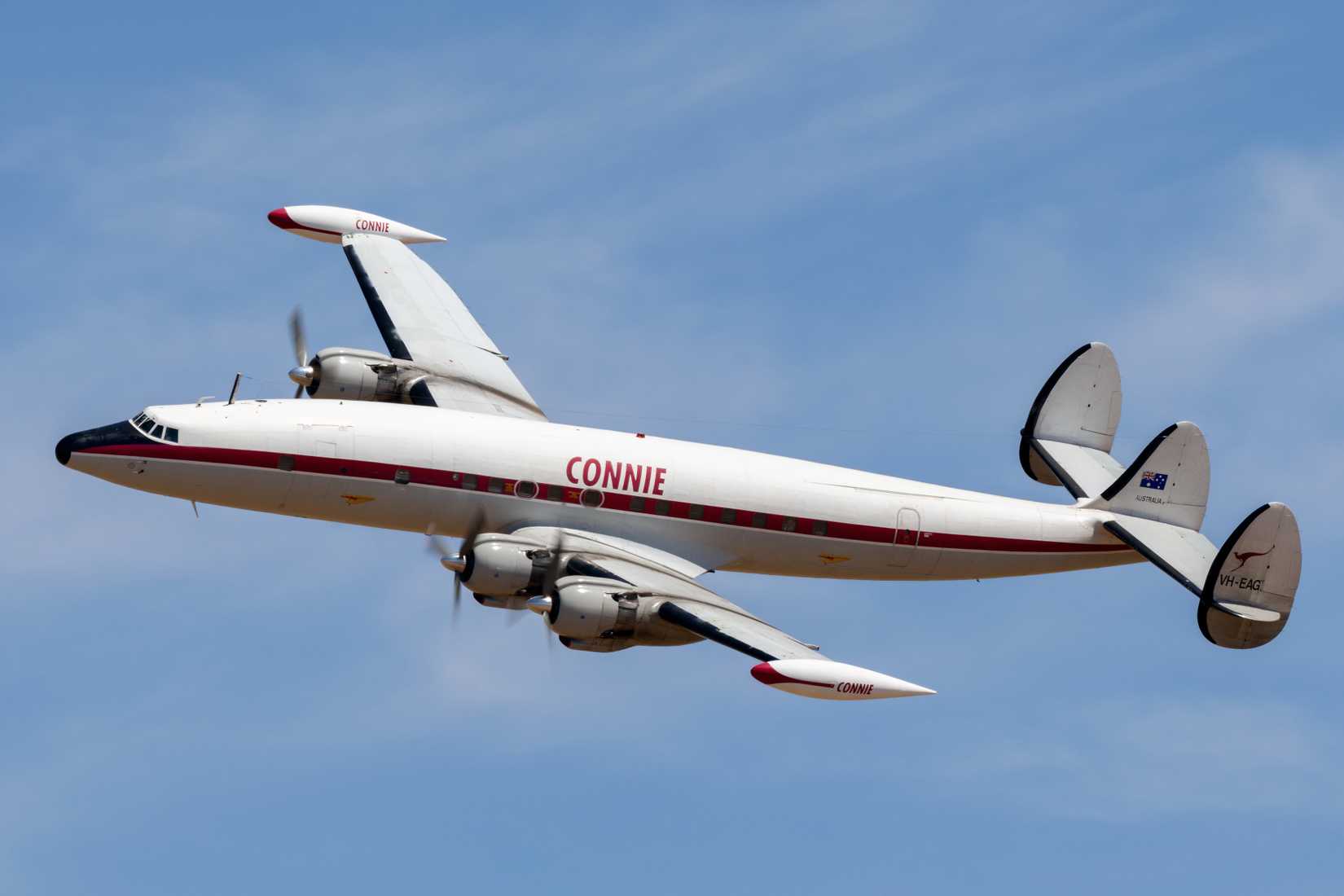
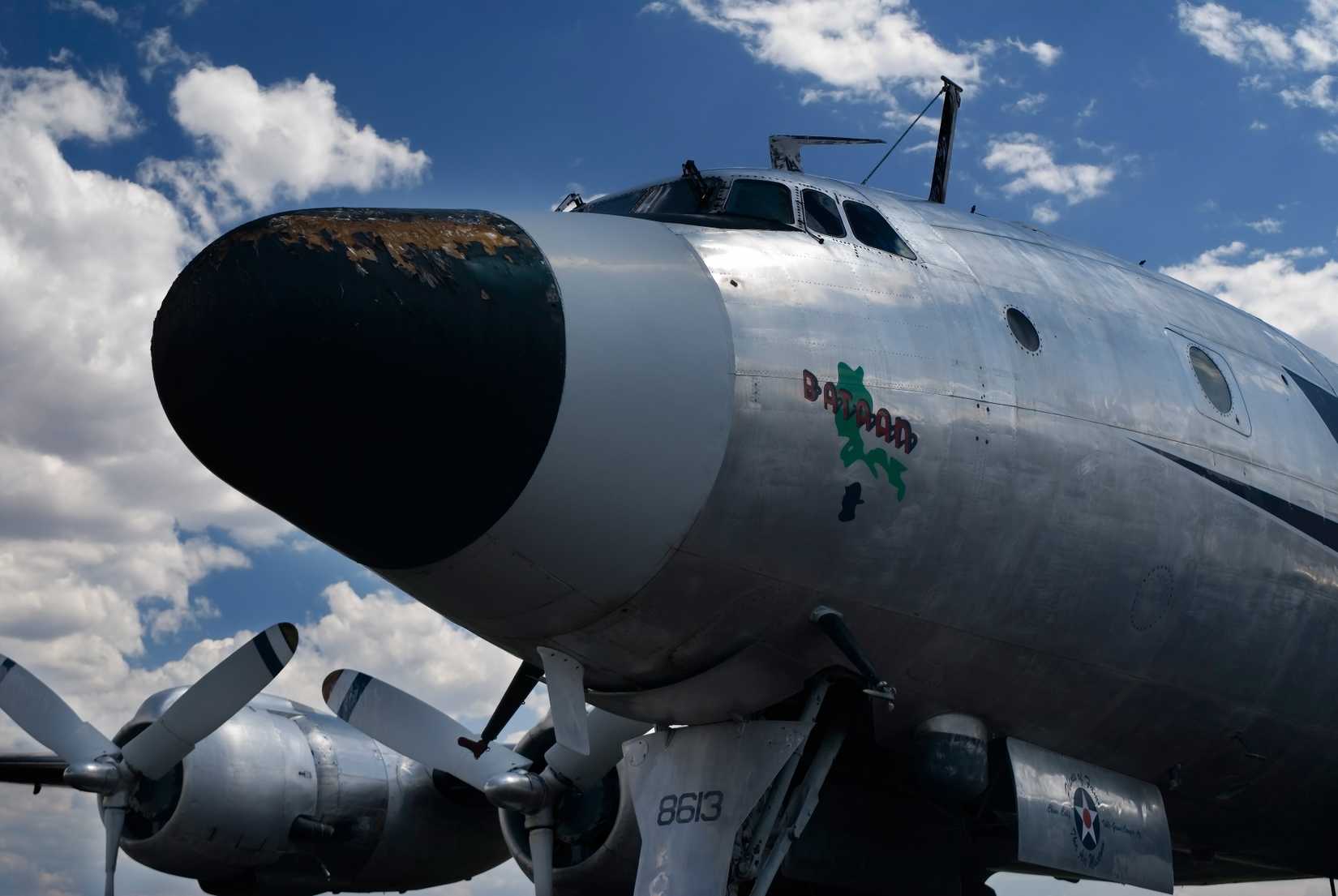
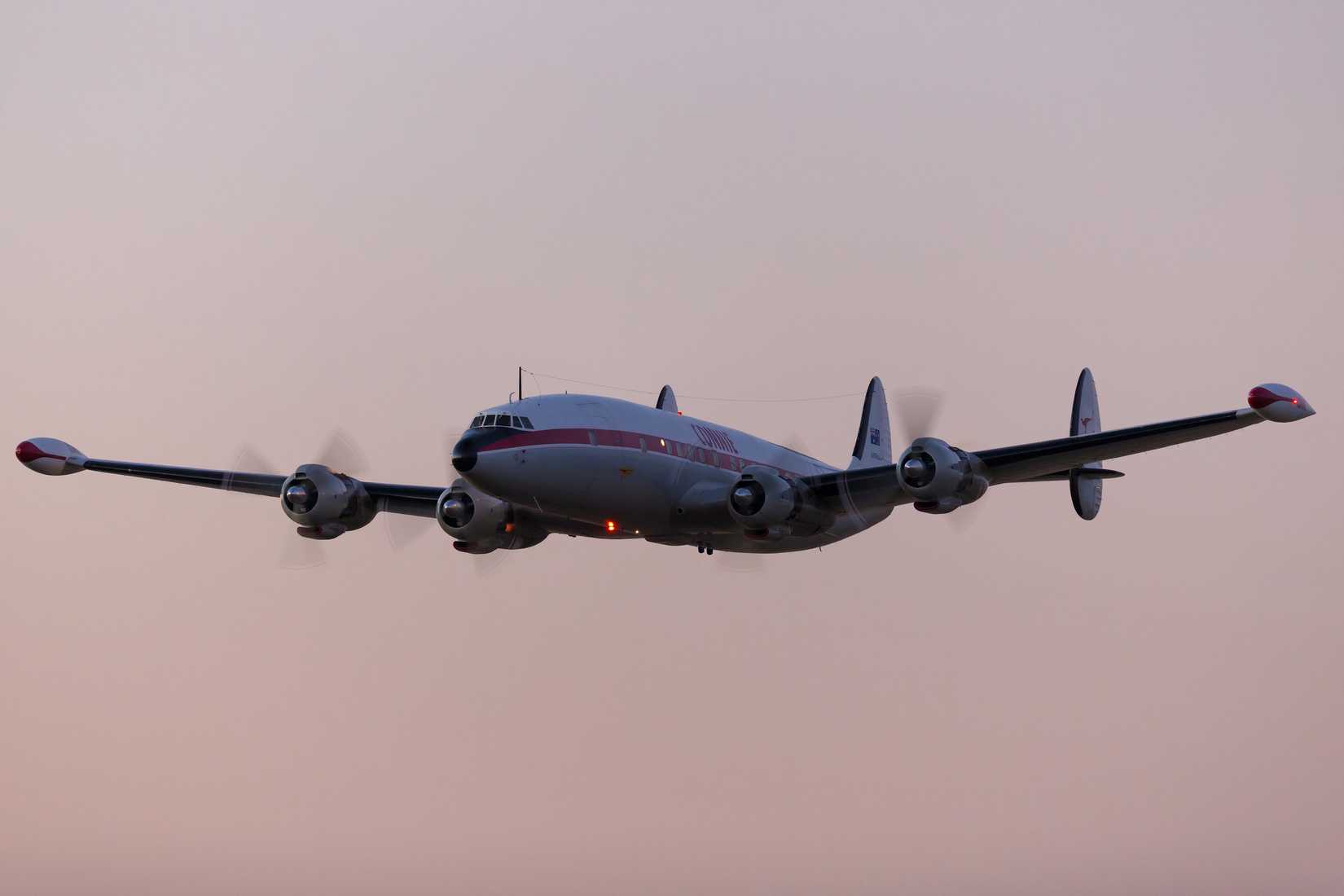
The Lockheed Constellation, one of the most consequential aircraft in the history of commercial aviation, survives in airworthy condition in only two examples as of 2026. VH-EAG "Southern Preservation," a C-121C Super Connie operated by Australia's Historical Aircraft Restoration Society (HARS) and based at Illawarra Regional Airport, carries passengers on demonstration flights in a restored Qantas livery while offering cockpit tours and charter experiences. The second, N422NA "Bataan," a VC-121A maintained by the Planes of Fame Air Museum in Chino, California, carries an extraordinary operational pedigree — having served General Douglas MacArthur, supported NASA's Apollo program, and flown Pacific theater commanders before undergoing an eight-year restoration to flying condition. Together, these two aircraft represent the sole surviving thread connecting modern aviation to the pressurized, long-range propeller liner era that bridged World War II and the jet age.
The Constellation's engineering legacy carries direct relevance to any pilot who has trained on pressurized aircraft or studied the fundamentals of high-altitude transport design. When Howard Hughes and TWA's Jack Frye convened with Lockheed leadership in 1939 to commission what would become the L-049, their specifications demanded cabin pressurization, nonstop transcontinental range, and cruise speeds that dwarfed the dominant Douglas DC-3 — requirements that forced Lockheed engineers, including the legendary Clarence "Kelly" Johnson, to innovate across aerodynamics, powerplant integration, and structural design simultaneously. The resulting aircraft was the first pressurized transport to achieve widespread commercial use, establishing the operational template for every airliner that followed. Pressurization differentials, oxygen system logic, high-altitude cruise planning, and the operational tradeoffs between altitude and fuel burn — concepts that are foundational to modern type rating training — were field-proven and operationally validated in Constellation service decades before they became standard syllabi content.
For working aviation operators, the ongoing airworthiness of the two surviving Connies illustrates the staggering maintenance and logistical burden associated with keeping radial-engine piston aircraft certified and mission-ready. Each aircraft is powered by four Wright R-3350 radial engines producing between 2,500 and 3,400 horsepower per unit — engines that require specialized knowledge, parts sourcing, and overhaul capability that has essentially disappeared from the commercial maintenance ecosystem. The eight-year restoration of "Bataan" alone underscores what Part 91 and museum operators face when preserving complex vintage types: not merely cosmetic work, but complete systems rebuilds against an evaporating pool of qualified technicians and original equipment. This challenge is familiar to any operator maintaining aging turboprop or piston fleets under FAA or EASA continued airworthiness frameworks, where the pipeline of certified mechanics for legacy powerplants grows demonstrably shorter each decade.
The survival of these two Constellations also reflects a broader and increasingly urgent trend across global aviation: the race to preserve flying examples of aircraft types that defined the mid-twentieth century before the remaining examples deteriorate beyond economical restoration. Museums such as HARS in Australia and Planes of Fame in Chino operate in a niche that sits uncomfortably between historical preservation and active flight operations, requiring aviation authority approvals, active airmen, and funding models that depend heavily on airshow attendance and public engagement. As the generation of pilots who flew the Constellation in commercial service has largely passed, the institutional knowledge required to operate these aircraft safely is itself becoming an endangered resource. For corporate and airline pilots, these aircraft serve as tangible proof of how rapidly the operational environment can evolve — what was cutting-edge pressurized technology in 1945 is now a museum piece requiring custodial heroics simply to remain flyable, a reminder of how quickly any generation of aircraft transitions from front-line asset to historical artifact.






 Read original article