4th Of July Rush: TSA Expecting To Screen Nearly 19 Million Travelers Over Holiday Period
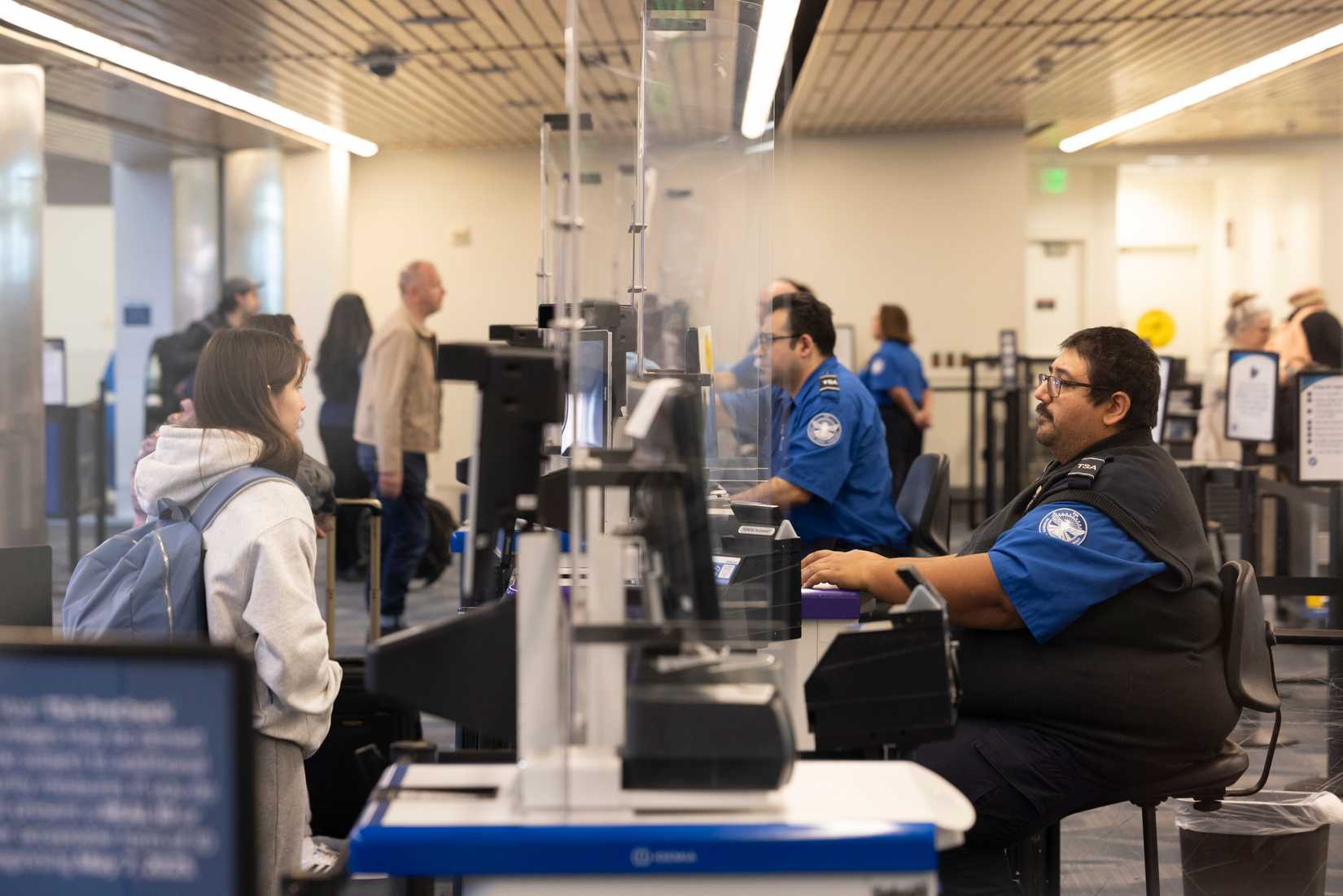
The Transportation Security Administration projects it will screen approximately 18.7 million passengers during the seven-day period spanning June 30 through July 6, 2026, making the upcoming Fourth of July travel window one of the busiest in the agency's recorded history. July 2 is forecast to be the single heaviest day, with TSA anticipating more than three million passengers cleared at checkpoints nationwide — a figure that approaches record-breaking single-day volumes seen during recent holiday surges. The scale of this year's demand reflects a confluence of factors rarely seen simultaneously: Independence Day travel, FIFA World Cup fixtures hosted across 14 U.S. cities, and the America250 bicentennial commemorations, all compressing into the same calendar window and generating both domestic leisure travel and significant inbound international passenger flows.
For airline crews and corporate flight department operators, the practical implications extend well beyond checkpoint wait times. Major hub airports — particularly those in FIFA World Cup host cities such as Dallas-Fort Worth, Miami, Los Angeles, New York, Boston, Kansas City, and Seattle — will experience amplified ground congestion affecting gate availability, ramp sequencing, and pushback coordination. Air traffic control facilities serving those airports can be expected to issue ground delay programs and miles-in-trail restrictions as arrival rates strain capacity. Corporate and charter operators routing through or near those hubs should anticipate filed alternate requirements and block time padding, as even minor upstream delays will cascade quickly across an already saturated National Airspace System. FBOs at secondary reliever airports adjacent to host cities may also absorb overflow traffic from Part 91 and 135 operators attempting to avoid the major terminals, increasing ramp density and fuel availability concerns at facilities not built for holiday-level throughput.
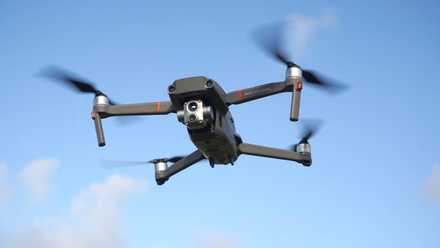
The TSA's deployment strategy — which includes National Deployment Officers, expanded canine teams, Counter-UAS assets, and radiological/nuclear detection capabilities at stadiums, Fan Fests, and transportation hubs — has direct implications for airspace users operating near World Cup venues. The Federal Air Marshal Service and Security Operations personnel embedded at surface transportation nodes adjacent to stadiums signal a heightened security posture that typically correlates with Temporary Flight Restrictions. Crews operating in metropolitan areas hosting matches should closely monitor NOTAM activity in the days preceding games, as TFRs for major public events have historically been issued with limited advance notice and can affect instrument approaches and departure procedures at nearby airports. The presence of Counter-UAS systems at multiple urban venues also warrants situational awareness, particularly for operators flying lower-altitude profiles or positioning aircraft near stadium complexes.
The broader context for commercial and business aviation operators is that this holiday period arrives against a backdrop of sustained demand growth and persistent infrastructure strain. U.S. airline passenger volumes have continued to climb despite ongoing challenges including controller staffing shortfalls at several en route centers, aging radar infrastructure at high-density facilities, and the residual operational disruptions that followed the government shutdown earlier in 2026. Carriers and corporate flight departments that built contingency into their operations during that period are well-positioned to apply similar practices now — including proactive communication with dispatch and crew scheduling, early filing for preferred routes before demand peaks, and pre-positioning fuel where supply or pricing may tighten near high-traffic airports. The pattern of demand spikes driven by overlapping mega-events is increasingly a permanent feature of the aviation calendar rather than an anomaly, and operators who treat this week as a planning exercise for future multi-event congestion will derive lasting operational benefit.





 Read original article