What Are The Benefits Of Flying In Emirates’ Business Class?
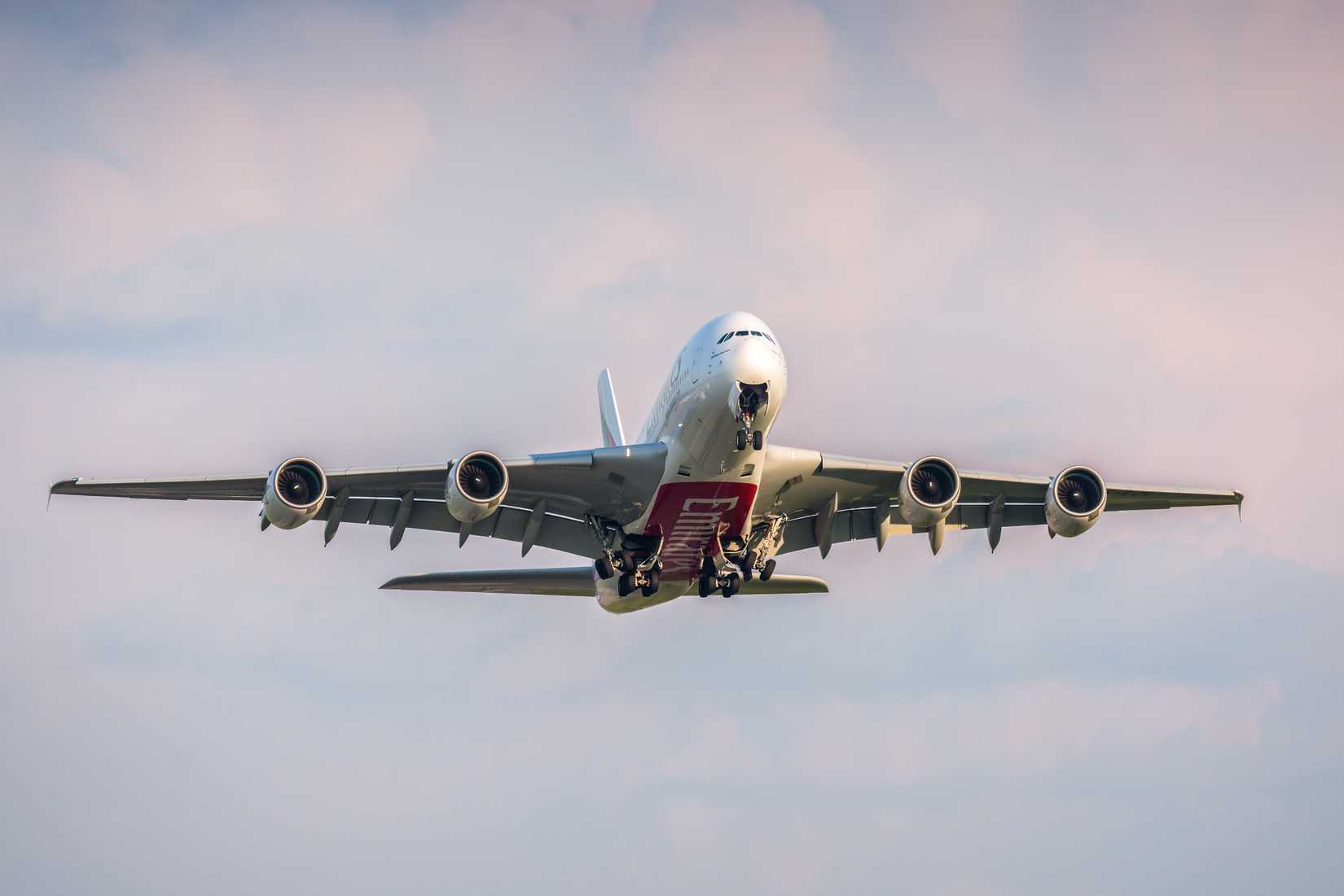
Emirates business class represents one of the most closely studied premium cabin products in commercial aviation, not merely as a passenger amenity but as a benchmark that competing carriers and aviation operators measure themselves against. The airline's current fleet of 116 Airbus A380s, 144 Boeing 777s, and 23 Airbus A350s — with the A350 representing a relatively recent addition to a historically twin-type widebody operation — underscores Emirates' ongoing investment in long-haul capacity at a scale few carriers can match. Operating from Dubai International Airport with cargo operations centered at Al Maktoum International, Emirates functions as the connective tissue of a global hub-and-spoke model that has fundamentally reshaped intercontinental routing patterns since the airline's founding in 1984. For professional pilots employed by legacy carriers or operating corporate flight departments, the Emirates product matters because it defines passenger expectations that ripple downstream across the entire premium travel ecosystem.
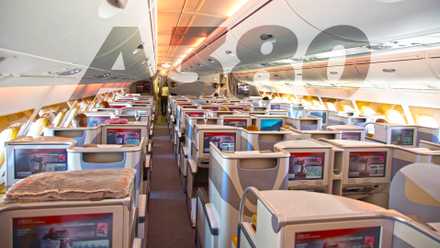
For working pilots in Part 91K and Part 135 operations, the Emirates business class standard carries practical implications in terms of competitive positioning for high-net-worth client travel. The complimentary chauffeur service using BMW 5 Series vehicles in Dubai, dedicated lounge access with shower spas and à la carte dining, and lie-flat beds with padded mattress toppers constitute a service package that corporate aviation operators frequently cite when articulating the value of private and charter travel. Business aviation's core argument — door-to-door control, schedule flexibility, and privacy — becomes more compelling when positioned against a product that, however excellent, still requires navigating commercial terminals, shared cabin space, and fixed departure schedules. Understanding precisely what Emirates offers in business class allows flight department managers and charter operators to communicate differentiation accurately rather than abstractly.
For airline pilots, particularly those employed at carriers competing on transatlantic and transpacific routes, the Emirates model illustrates the structural advantages that flow from a sixth-freedom hub in a geography equidistant from major demand centers. The ICE inflight entertainment system with over 6,500 channels delivered via 4K HD touchscreen, complimentary Wi-Fi, Royal Doulton china service, and Halal-certified multi-course dining are operational commitments that translate directly into catering logistics, galley configurations, and crew training requirements. Emirates cabin crew training standards — emphasized in the article's reference to anticipating passenger needs and maintaining a calm demeanor — reflect a service philosophy that influences crew resource management culture across the airline. Pilots deadheading on positioning flights also encounter this product directly, and Emirates' business class is frequently cited in industry surveys as among the preferred options for long-haul crew repositioning on interline agreements.
The broader trend illustrated by the Emirates business class offering is the continued bifurcation of the commercial aviation market between undifferentiated short-haul capacity and heavily invested long-haul premium products. Gulf carriers including Emirates, Qatar Airways, and Etihad have collectively pressured North American and European legacy carriers to accelerate their own business class refreshes — United's Polaris, Delta One Suites, and American's Flagship Suite product lines all emerged in part as competitive responses to the standards set by Middle Eastern operators. The addition of the Airbus A350 to Emirates' fleet introduces a more fuel-efficient narrower-body widebody into a previously all-A380 and 777 operation, signaling route flexibility for markets that cannot sustain the largest aircraft types. For aviation professionals tracking fleet trends, this diversification suggests Emirates is positioning for continued network expansion into thinner long-haul markets, which will have implications for competitive dynamics on routes currently served by single-aisle equipment operated by low-cost carriers attempting to extend their range.










 Read original article