Boeing Sending Its 1st Production 777-9 Toward The North Pole In 11-Hour Flight Test
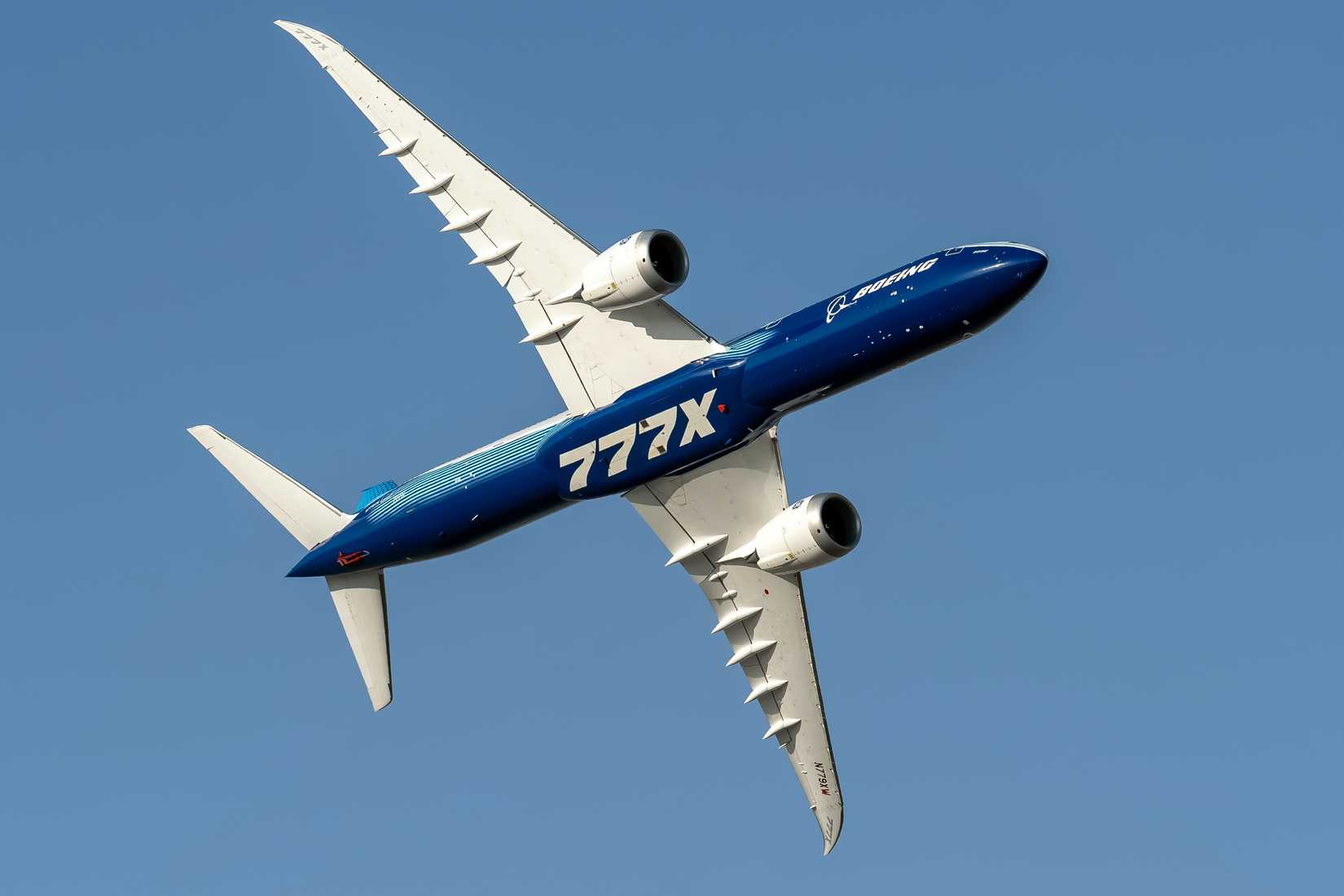
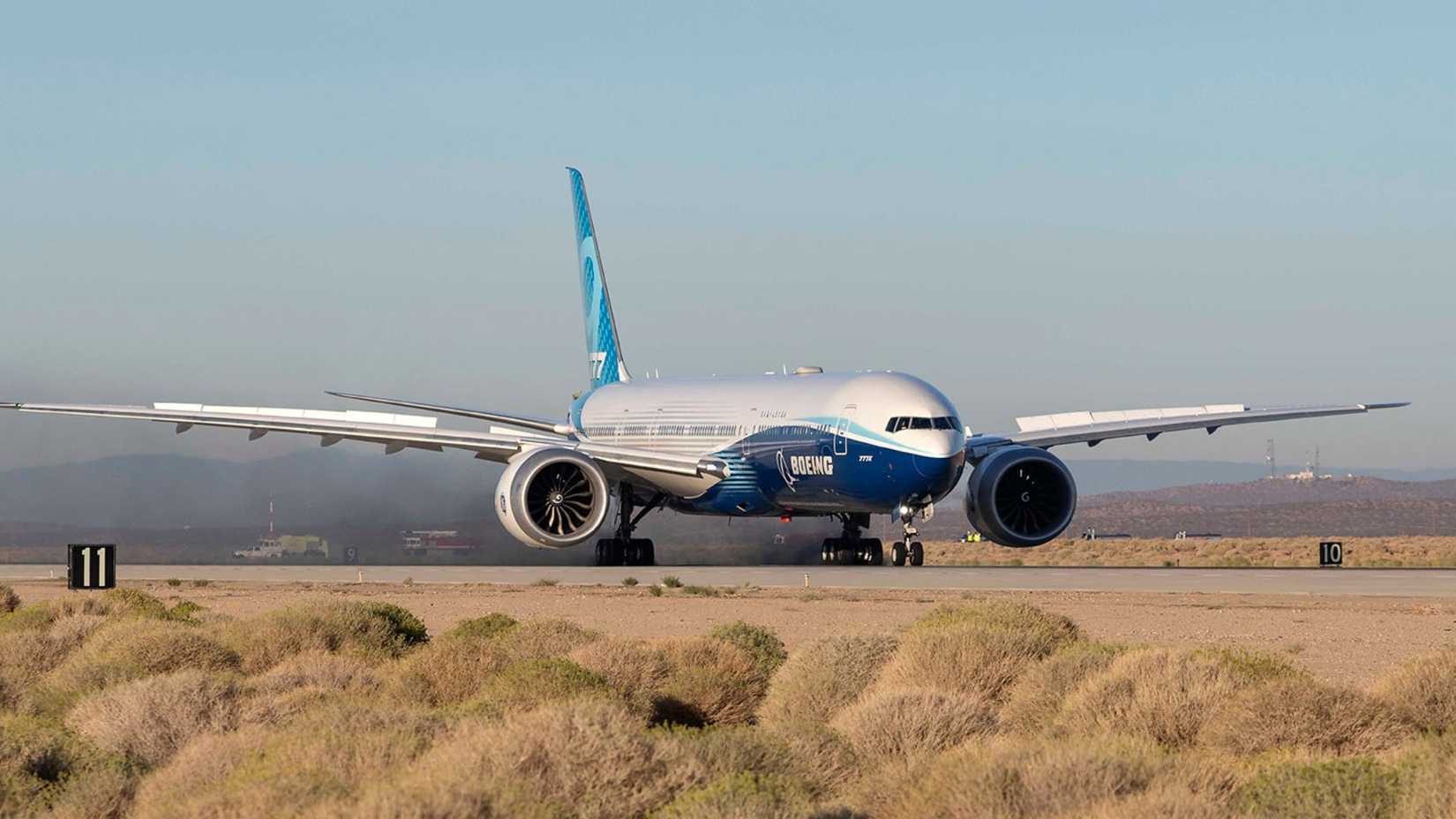
Boeing's first production-standard 777-9, registered N20080 and designated WH128, is conducting an approximately 11-hour, 14-minute flight test from Snohomish County Airport (PAE) northward toward the geographic pole, with a planned track extending to 85°N — roughly 300 nautical miles from the top of the world. The aircraft, built to Lufthansa's airline configuration complete with a fully installed passenger cabin and inflight systems, represents a significant milestone distinction within the 777X certification campaign: it is the sixth 777-9 airframe to fly but the first produced to actual customer delivery standard rather than engineering prototype specification. Boeing has confirmed receipt of FAA approval for TIA Phase 4B, described by company executives as one of the largest remaining blocks of FAA-supervised testing, and the program's broader test fleet has now accumulated more than 4,700 flight-test hours against a backlog of more than 620 orders across the 777X family.
The operational environment at 85°N presents conditions that directly relevant to professional flight crews who operate or may eventually operate widebody aircraft on transpolar routings. At latitudes that extreme, magnetic compass references become effectively unreliable due to the convergence of magnetic field lines and dramatically elevated magnetic variation values — a phenomenon familiar to pilots who have flown North Atlantic or transpolar routes, but compounded significantly as the aircraft approaches the pole itself. Modern fly-by-wire transport aircraft operating in these regions depend on inertial reference systems cross-checked against GPS and true-heading-referenced navigation, and the Boeing test profile provides an opportunity to validate those systems across extended durations and the specific thermal and electromagnetic environment of the high Arctic. For crews flying ETOPS-qualified routes over the Arctic Ocean — routes increasingly used by carriers connecting North America to Asia — understanding how aircraft navigation, communications, and system monitoring perform at these latitudes is operationally material.
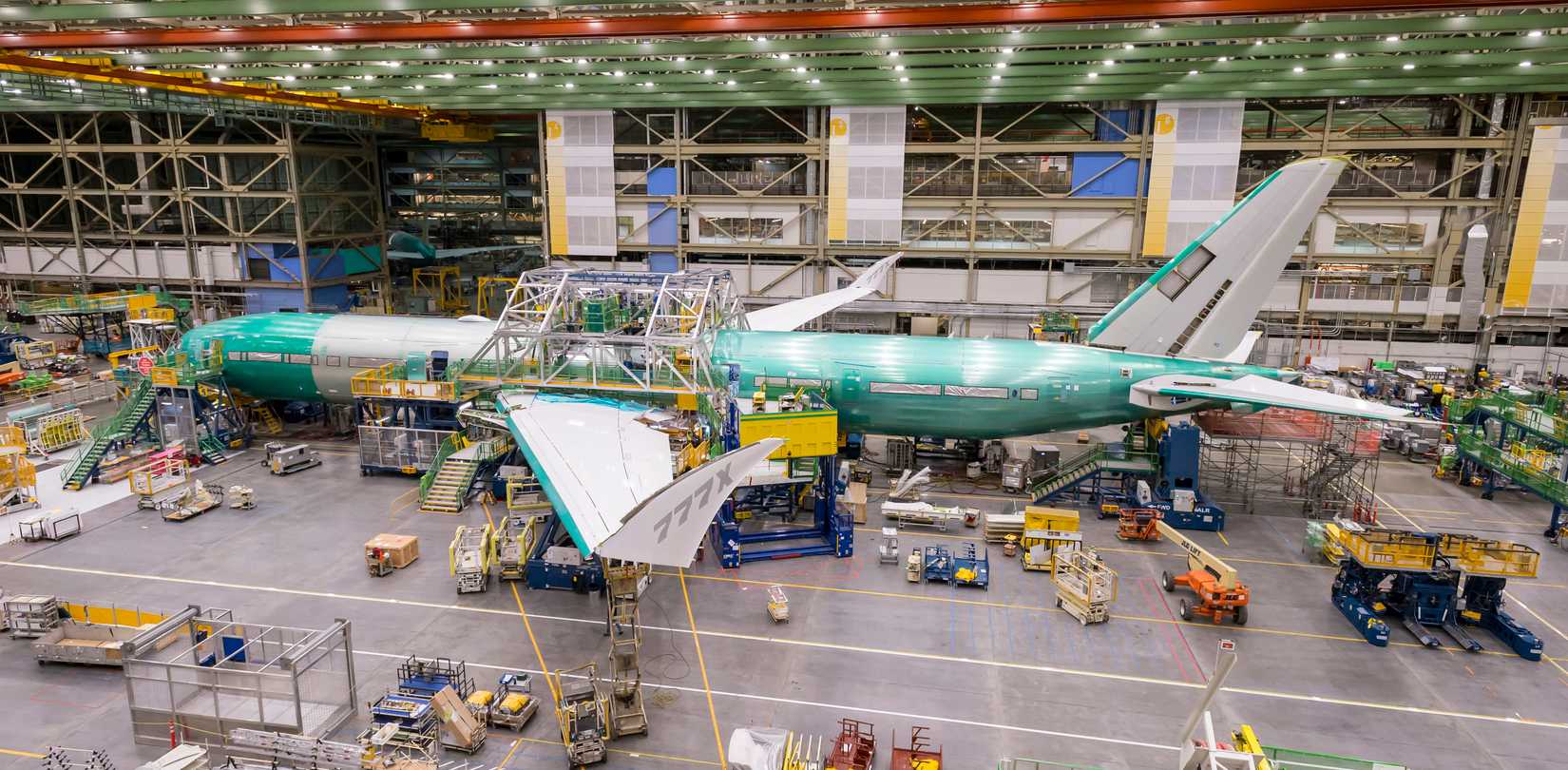
The distinction between prototype and production-standard aircraft in a certification program carries meaningful implications for operators. Earlier 777X flight-test aircraft carried engineering test hardware rather than representative airline interiors, meaning data gathered on cabin pressurization cycling, inflight entertainment and connectivity infrastructure, seat track loading, and environmental control system performance under real passenger-cabin thermal loads was necessarily modeled or estimated. N20080's airline-configuration interior allows Boeing to validate those systems in the actual geometric and thermal environment that airline crews and maintenance teams will encounter in service. The long-duration Arctic flight specifically targets extended system performance under operational stress — cabin pressurization held over many hours at polar altitudes, avionics cooled in very cold ambient temperatures at cruise, and communication systems tested across high-latitude propagation conditions where HF radio and satellite links behave differently than at mid-latitudes.
From a broader program standpoint, the 777-9 certification trajectory reflects the post-737 MAX regulatory environment in which the FAA has substantially restructured its oversight of Boeing type certification activities. TIA Phase 4B approval represents FAA-supervised testing rather than delegated authority, meaning federal inspectors are directly engaged in validating test protocols and reviewing results — a departure from the delegation model that characterized earlier certification programs. Boeing's public target of first deliveries in 2027 means the program is now in its final validation stretch, with ETOPS approval work still remaining before the aircraft can legally operate extended over-water routes that many of its 620+ orders depend on for commercial viability. Airlines placing this aircraft on transoceanic and polar routes — Lufthansa, Emirates, Qatar Airways, and others — will be watching TIA Phase 4B results closely, as the breadth of FAA-supervised testing completed in this phase will directly shape the regulatory foundation on which initial route authorities are granted.
For corporate and charter operators who track widebody certification programs to anticipate shifts in the used aircraft market and fleet replacement cycles, the 777-9's progression toward a 2027 delivery target has downstream effects. Incumbent 777-300ER operators — a substantial portion of the long-haul widebody fleet — will eventually face replacement decisions accelerated by 777-9 entry into service, potentially freeing late-model 777-300ERs into secondary markets. The program's continued forward movement, evidenced by this production-aircraft high-latitude test and the FAA phase approval, suggests Boeing is maintaining functional momentum on its largest remaining commercial certification effort, even as the company continues managing regulatory relationships reconstructed after years of MAX-related scrutiny.










 Read original article