Jet Aviation signs 30-year lease for new FBO at Rocky Mountain Airport | Corporate Jet Investor | CJI news
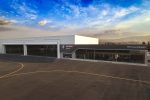
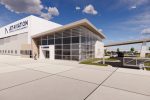
Jet Aviation has signed a 30-year lease to establish a new fixed-base operation at Rocky Mountain Metropolitan Airport (KBJC) in Broomfield, Colorado, with a facility groundbreaking expected in early 2027 and operations launching in 2028. The planned campus will encompass 15 acres on the airport's south side and include a 7,500-square-foot terminal building, 70,000 square feet of hangar space, and more than 200,000 square feet of ramp area. The project is being developed jointly by SR Aviation Infrastructure and Business Aviation Group, with Jet Aviation serving as the anchor tenant — a structure increasingly common in large-scale FBO developments where a premium brand operator provides long-term revenue certainty while infrastructure partners manage the capital build.
For operators flying in and out of the Denver metro area, this development signals meaningful growth in capacity at a reliably congested reliever airport. Rocky Mountain Metropolitan has long served as an alternative to Denver International for business aviation, offering faster ground times and closer proximity to corporate parks along the US-36 corridor. The airport also functions as a staging and transit point for operators routing to mountain destinations including Aspen-Pitkin County (KASE), Eagle County (KEGE), and Vail Valley — airports that carry significant demand seasonally and require careful fuel and trip planning given their terrain and weather constraints. Adding a Jet Aviation facility with large-format hangar access and ramp capacity directly addresses infrastructure bottlenecks that Part 91, 91K, and 135 operators have encountered during peak ski season and summer conference periods.
Jet Aviation's entry at KBJC is consistent with a broader consolidation trend reshaping the FBO landscape across North America. The General Dynamics subsidiary already operates roughly 30 FBO locations worldwide and 12 within the Americas region, giving it the network scale to offer fuel release programs, consistent service standards, and handling agreements that multi-leg operators prioritize when selecting ground services. The 30-year lease term reflects the capital-intensive nature of modern FBO development and the expectation of sustained demand growth in the business aviation sector, particularly in high-value markets tied to wealth centers, resort access, and corporate headquarters concentration.
The timing of this announcement also reflects broader infrastructure investment activity in business aviation. Following years of record flight activity post-2020, operators and investors have continued to build new facilities despite some normalization in flight hours, betting on the long-term expansion of the fleet and the sustained preference among high-net-worth and corporate clients for private air travel over commercial alternatives. Rocky Mountain Metropolitan, with its IFR capabilities, multiple runway options, and established FBO presence, represents exactly the kind of Tier 2 business aviation hub that is attracting institutional-grade investment from infrastructure developers like SRAI. Pilots and flight departments operating in the region should monitor project milestones ahead of the 2028 opening, as the new facility will likely alter traffic patterns, ramp assignments, and service availability at an airport where capacity has historically been stretched during peak demand windows.