How The Airbus A350's Engine Quietly Became The Cash Machine Saving Rolls-Royce
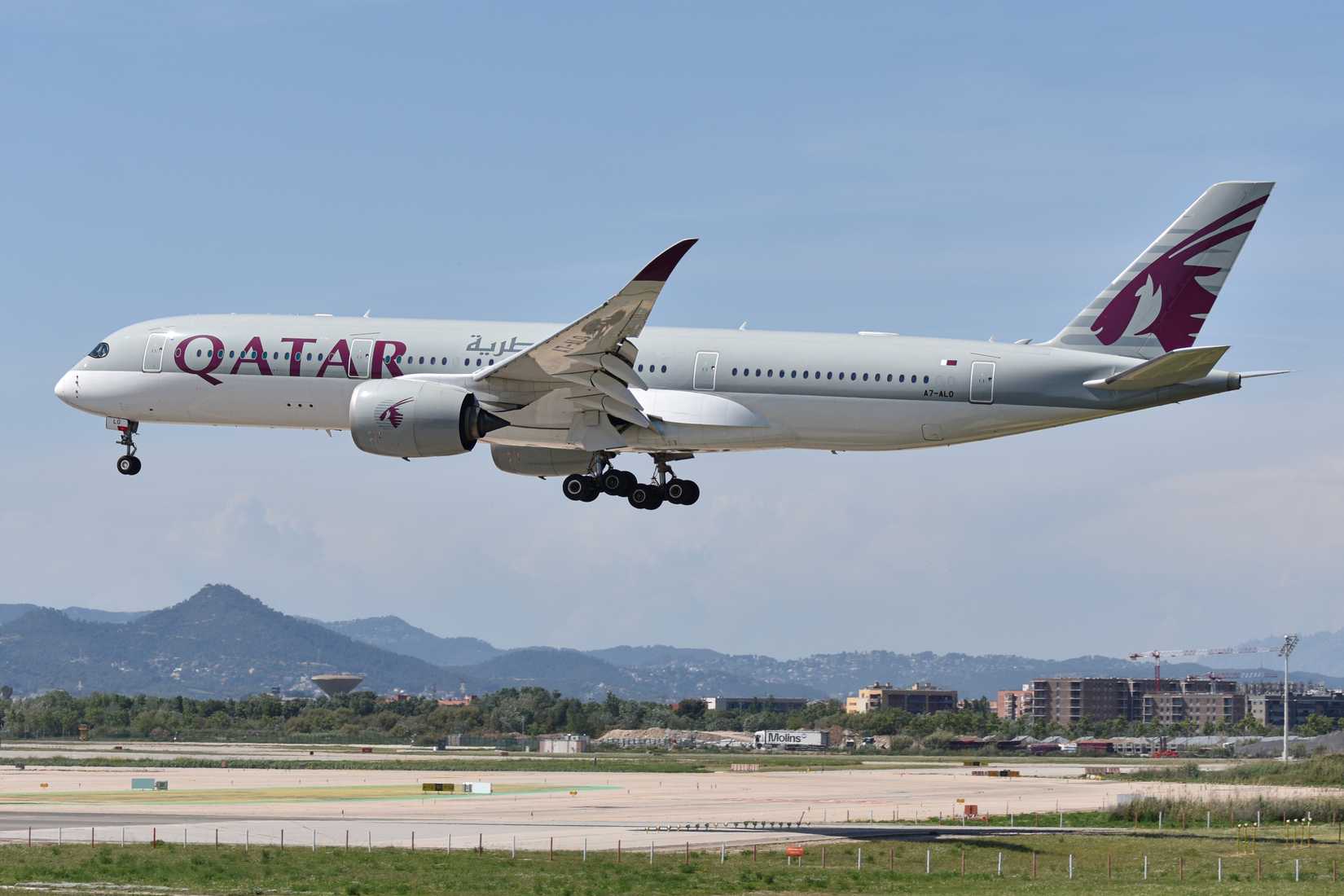
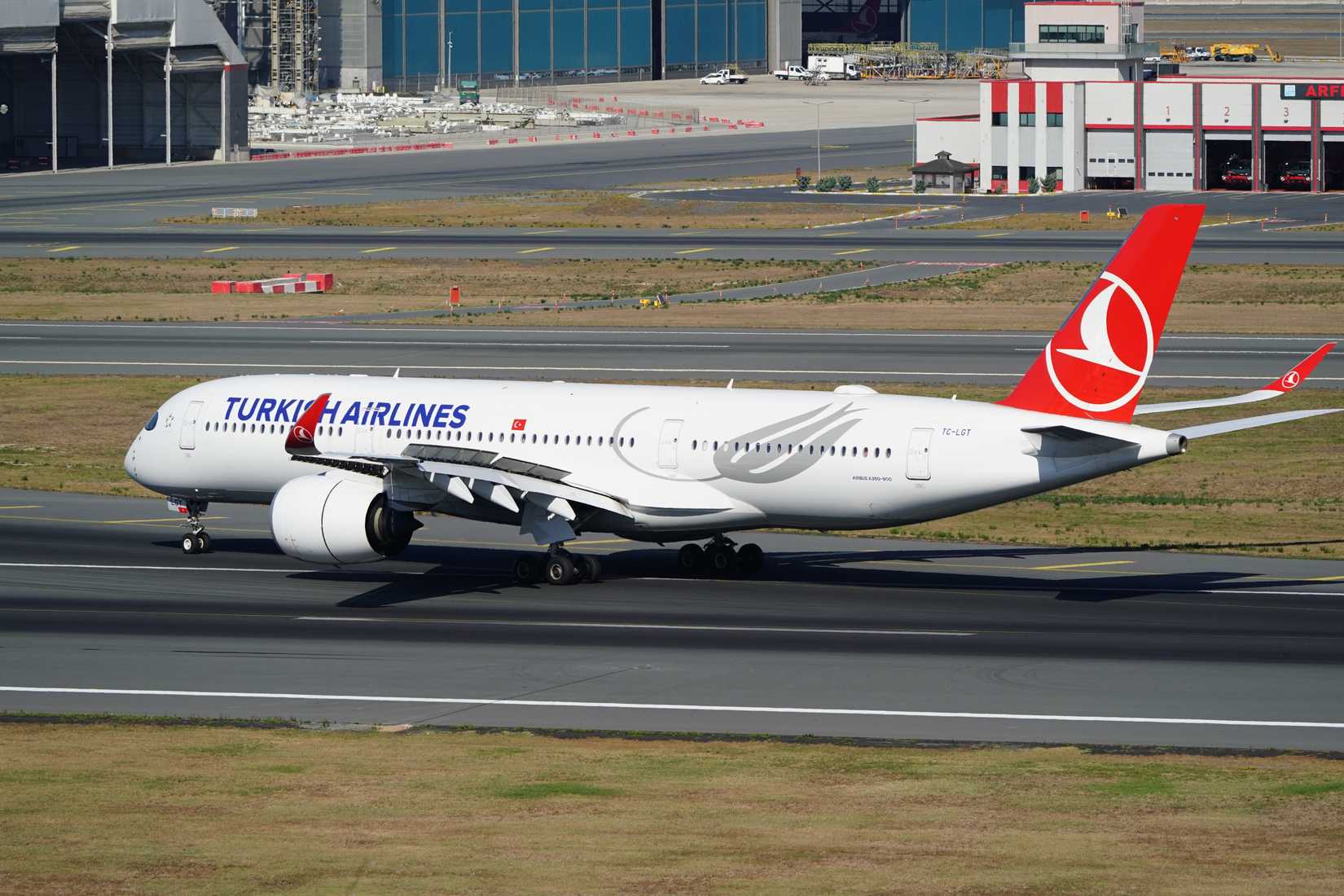
The Rolls-Royce Trent XWB has emerged as the commercial engine manufacturer's most strategically critical product, effectively underwriting the company's financial recovery after the costly Trent 1000 debacle on the Boeing 787. The Trent XWB entered service in 2015 as the sole powerplant for the Airbus A350 family, and its exclusive position on that airframe has transformed it from a single engine program into a long-term annuity for Rolls-Royce. Two primary variants serve the A350 family: the XWB-84, rated at up to 84,000 lbs of thrust and fitted to the A350-900, and the XWB-97, producing up to 97,000 lbs of thrust for the A350-1000 and the A350F freighter. Both share a triple-spool architecture with a 118-inch fan and a bypass ratio of 9.6:1, and their high degree of commonality meaningfully reduces fleet maintenance burden for operators running both A350 variants.
The reliability record of the Trent XWB stands in sharp contrast to the Trent 1000's troubled history. Rolls-Royce characterizes the XWB's entry into service as the smoothest of any widebody engine the company has produced, a claim that has largely held up in the decade since certification. Minor IPC blade cracking was detected in early XWB-84 units during scheduled overhauls in 2020, but the issue was contained within planned maintenance cycles without groundings. A 2024 in-flight fire involving a Cathay Pacific A350-1000 drew significant attention, but subsequent investigation attributed the event to a maintenance cleaning procedure rather than any design flaw, and the fleet returned to service. The more persistent concern involves reduced on-wing time for XWB-97 units operating in harsh environments — a durability shortfall significant enough that Emirates has reportedly withheld A350-1000 orders in part because of it, particularly given its practice of deploying widebodies on short regional sectors where thermal cycling accelerates wear. Rolls-Royce is actively developing upgrades to address XWB-97 durability, and the XWB-84 has not exhibited the same degradation pattern.
For flight crews and operators evaluating or currently flying the A350, these technical nuances carry practical implications. The XWB-84's stronger reliability profile makes the A350-900 a lower-risk fleet commitment for most route networks, while the XWB-97 on the A350-1000 warrants closer attention from operators running the aircraft in high-temperature, high-cycle environments. Maintenance planning teams at carriers with mixed fleets of A350-900s and A350-1000s benefit from the engines' shared architecture, which simplifies tooling, spares inventory, and technician training. The aftermarket services revenue stream that flows from this installed base is also significant — Rolls-Royce structures its commercial engine business around long-term power-by-the-hour service agreements, meaning reliability directly translates into contract performance and cost predictability for operators locked into those arrangements.
At the macro level, the Trent XWB's trajectory reflects a broader competitive dynamic in commercial aviation propulsion. Rolls-Royce's exclusive position on the A350 insulates the XWB from the head-to-head engine competition that defines programs like the 787, where GE's GEnx-1B has steadily taken share following the Trent 1000's problems. With 1,595 Trent XWB orders recorded against a sustained A350 order book — 281 net orders in 2023, 185 in 2025, and 58 already booked in the first half of 2026 — Rolls-Royce's commercial revenue outlook is structurally tied to the A350's continued market success. For the aviation industry broadly, this underscores how a single well-executed engine program can reshape a manufacturer's financial position: the Trent XWB is simultaneously restoring airline confidence in the Rolls-Royce brand, generating high-margin aftermarket revenue, and creating a competitive moat that neither GE nor CFM can directly challenge on this platform. As the A350 displaces older widebody types across airline fleets globally, the XWB's installed base will continue to expand, making it the engine program most responsible for Rolls-Royce's commercial viability through at least the next decade.










 Read original article